Blooming
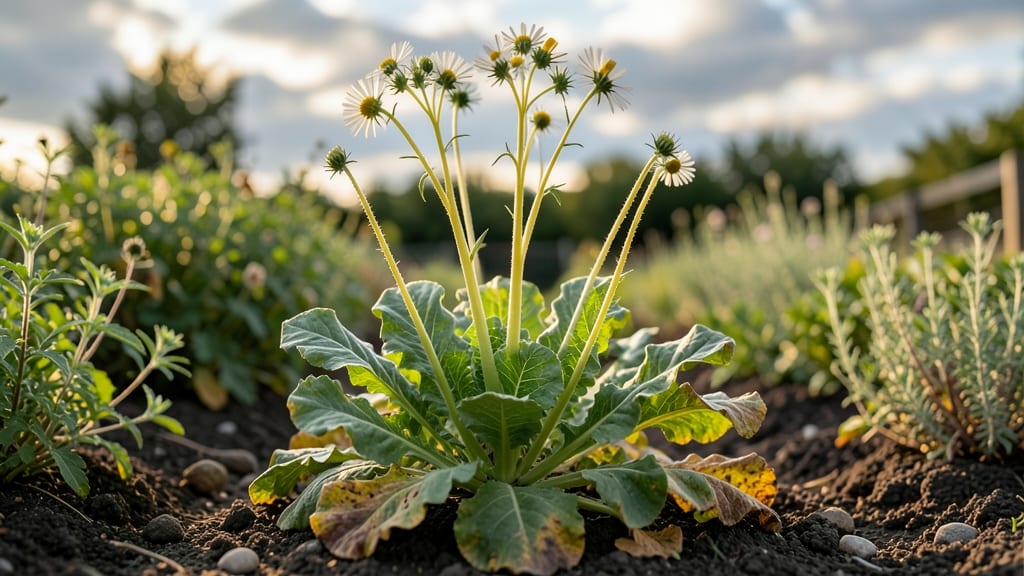
Your crisp 🥬 lettuce entering the flowering stage means it’s bolting—when those tender leaves turn bitter and woody overnight.
If you’ve ever watched your salad greens suddenly sprout flower stalks instead of staying leafy, you know how frustrating it can be. This natural shift from leaf production to seed-making happens when conditions push lettuce to reproduce, often triggered by heat or stress.
Understanding the signs—like elongated stems, bitter taste, or seed heads—helps you act fast. The good news? You can still salvage some leaves, and with the right care, you might even delay bolting long enough for another harvest.
Below, I’ll walk you through how to spot the flowering stage early, when to harvest for the best flavor, and the simplest tricks to keep your lettuce leafy longer—no advanced gardening skills required.
How to identify lettuce flowering stage and bolting signs
If you’ve ever grown lettuce, you know how quickly a perfectly crisp head can turn bitter and woody. This is your plant signaling it’s entering the lettuce flowering stage, a natural process called bolting.
Recognizing these signs early helps you salvage what’s left of your harvest before the plant shifts focus from leaves to seed production.
Bolting occurs when lettuce perceives stress, like temperature fluctuations, long daylight hours, or nutrient deficiencies. The transition starts subtly but becomes unmistakable as the plant prioritizes reproduction over leaf growth. Understanding these visual cues and growth patterns lets you act fast to extend your harvest window.
Here’s what to watch for as your lettuce shifts from leafy greens to flowering stems:
The first sign of bolting is often a bitter taste in the leaves, even if the plant still looks healthy. This happens because the plant redirects energy from leaf production to flower stalk development.
If you notice this, act quickly—harvest the outer leaves immediately to prevent the bitterness from spreading to the center.
Next, watch for stem elongation, where the center of your lettuce head starts growing taller and thicker. This is your plant preparing to send up a flower stalk, which can grow up to 2 feet tall in just days.
At this stage, the leaves will also begin to yellow and toughen, making them inedible.
If you see yellow flower buds forming at the top of the stalk, your lettuce is in its final flowering stage. These buds will eventually turn into seeds, marking the end of your harvest window.
However, don’t discard the plant entirely—you can save the seeds for next year’s garden if you’re interested in growing lettuce from scratch.
Certain lettuce varieties are more resistant to bolting, such as heat-tolerant romaine or butterhead lettuce. If you live in a warm climate, choose these varieties to extend your growing season. For cooler regions, focus on leaf lettuce types, which bolt more slowly and give you multiple harvests.
Environmental factors play a huge role in triggering bolting. Temperature spikes above 75°F can cause lettuce to bolt within 3-7 days, while long daylight hours (14+ hours) accelerate the process.
If you notice your plants reacting to heat, provide afternoon shade using shade cloth or move containers to a cooler spot.
One common mistake gardeners make is ignoring the early signs of bolting until it’s too late. By the time you see a tall flower stalk, the leaves are already tough and bitter.
The key is to harvest leaves regularly and monitor your plants closely, especially during spring and fall transitions when temperatures fluctuate.
Even if your lettuce bolts, you can still use the outer leaves in cooked dishes or salads where bitterness is less noticeable. Just avoid the inner leaves, which will be the most affected by the flowering process.
With the right care, you can often delay bolting by 2-4 weeks, giving you more time to enjoy fresh, crisp lettuce.
When to harvest lettuce before bolting for maximum freshness
Timing your lettuce harvest is everything—especially when avoiding the bitter, woody taste of bolting. Leaf lettuce and head lettuce have different ideal harvest windows, but both require quick action once they start flowering.
For leaf varieties like butterhead or romaine, you’ll have a narrower window (about 3-5 days) before bolting makes them inedible. Loose-leaf types like oakleaf or red leaf offer slightly more flexibility but still demand attention to temperature and growth cues.
Temperature is the biggest trigger for bolting. When daytime highs consistently exceed 75°F (24°C), most lettuce varieties will bolt within 7-10 days. Nighttime temps above 60°F (15°C) also accelerate flowering.
If you’re growing in USDA Zone 6a or warmer, plan to harvest your lettuce by late May to avoid summer heat stress. Fall-planted lettuce has a second chance—bolt resistance improves when nights cool below 55°F (13°C) in September.
Here’s how to spot the perfect harvest moment before bolting takes over:
- 📏 Leaf Size: Harvest leaf lettuce when outer leaves reach 4-6 inches. For head lettuce, wait until the head is firm and compact but still loose.
- 💧 Crispness: Leaves should snap when bent—soft or rubbery leaves mean it’s past prime. Bitter taste is your first warning of bolting.
- ⏰ Time of Day: Pick in the morning when temps are coolest. Avoid harvesting after noon heat, which stresses plants and speeds up bolting.
- 🌱 Stem Check: Gently squeeze the base of the stem. If it feels woody or hollow, bolting has already started.
- 🌡️ Temp Threshold: If your area hits 70°F+ (21°C+) for 3+ days, harvest within 48 hours or expect bolting.
For head lettuce varieties like iceberg or crimson, the window is tighter—often just 2-3 days between ideal harvest and bolting. Start checking for flower stalks (thin, elongated stems) at the center of the head.
If you see yellowing leaves or tight buds, it’s too late for a crisp harvest. Cut-and-come-again lettuce (like loose-leaf mixes) gives you more leeway: snip outer leaves when they’re 4-5 inches tall, leaving the inner rosette to regrow for 2-3 additional harvests before bolting.
Pro tip: Use shade cloth (30-50%) to buy time in hot climates. If temps rise above 80°F (27°C), drape cloth over plants by 10 AM and remove by 3 PM to slow bolting by 5-7 days.
For container-grown lettuce, move pots to a shadier spot or even indoors near a bright window to extend the harvest window. Mulch with straw or grass clippings to keep soil temps 5°F cooler at the roots.
Don’t toss bolting lettuce! The flower stalks are edible (though tough) and can be blanched for 2-3 minutes to soften. Use them in stir-fries or soups where texture isn’t critical.
The lower leaves near the base may still be tender enough for salads if harvested early in the bolting process. Just avoid the upper leaves, which turn bitter fastest.
Plan your lettuce schedule around cool-season windows: Aim for spring harvests in March-April or fall harvests in September-October in Zone 6a. Succession plant every 2 weeks to stagger harvests and avoid the 75°F+ trap.
With the right timing, you’ll enjoy crisp, sweet lettuce for weeks—not days—before bolting ruins the party.