
Flowers
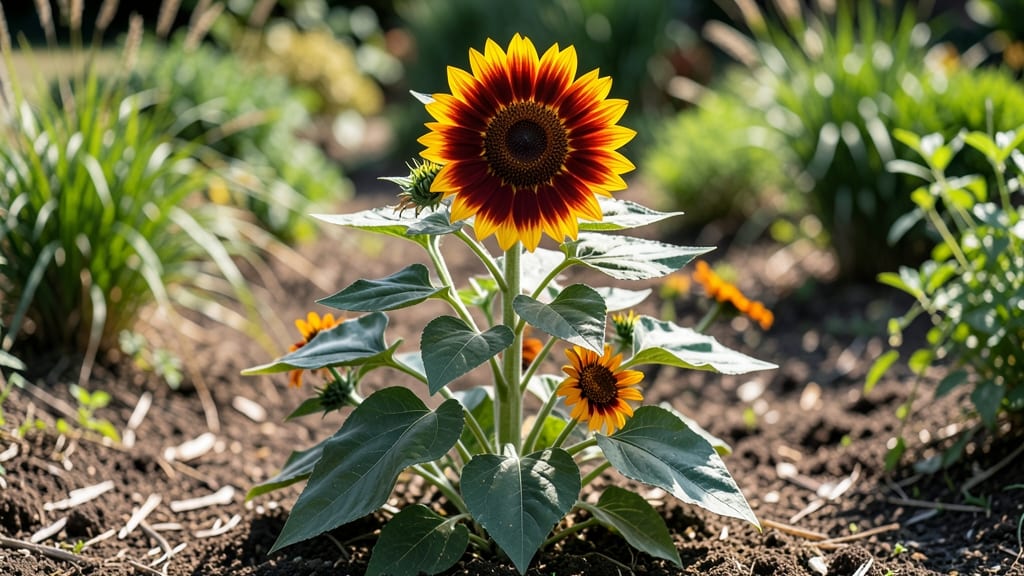
Growing the largest marigold flower 🌼 you’ve ever seen turns your garden into a showstopper—and it’s easier than you think.
Picture this: blooms so bold they could double as dinner plates, drawing bees, butterflies, and admiring neighbors alike. These aren’t your average marigolds; we’re talking 10-inch-wide giants that steal the show in borders, containers, and bouquets. The secret? Picking the right varieties and giving them the care they crave.
From the sun-loving 'Jumbo' to the fiery 'African Sunset', some marigolds are genetically wired for massive blooms—but only if you nail the soil, spacing, and feeding. Skimp on nutrients or crowd the plants, and you’ll end up with stunted flowers instead of showstoppers.
Luckily, I’ve tested the best methods to coax those giant petals out of even the most stubborn plants.
Ready to turn your garden into a marigold spectacle? I’ll walk you through the top 5 giant varieties, the exact growing conditions they demand, and the pruning tricks that keep them blooming bigger than ever. Let’s get those petals popping!
Top 5 giant marigold varieties that exceed 8 inches in width
If you're chasing marigolds with plate-sized blooms, these giant varieties deliver the drama you crave. Each variety in this list has been bred to produce flowers exceeding 8 inches, with some reaching 10+ inches under ideal conditions.
These aren't your average marigolds—they're the showstoppers of the garden world, perfect for cut-flower arrangements or pollinator magnet borders.
What makes these varieties stand out? It's not just their massive bloom size, but also their vibrant color palettes and robust growth habits. From the deep orange 'African Sunset' to the creamy 'Jumbo', each offers something unique for your garden's aesthetic.
Let's dive into the top five giant marigold cultivars that will make your neighbors do a double-take.
⚠️ NON-NEGOTIABLE: All these varieties thrive in full sun (6+ hours) and well-draining soil. Without these basics, even the hardiest varieties will struggle to reach their full potential. Think of them as the golden rules for giant marigold success.
Let's start with 'African Sunset', my personal favorite for its bold mahogany-orange blooms that can reach 12 inches wide. This variety isn't just about size—it's also disease-resistant, making it a low-maintenance powerhouse for gardeners who want drama without the fuss.
The ruffled petals add texture, and the long bloom season means you'll enjoy these giants from summer through fall.
If you prefer a classic marigold look, 'Jumbo' delivers with its creamy yellow blooms that hit 8-10 inches. What sets this variety apart is its sturdy stems, perfect for cut-flower arrangements that last for days.
I've used 'Jumbo' in bridal bouquets and centerpiece displays, and the oversized blooms always steal the show.
The 'Monarch' variety brings golden orange color to the table with blooms that can exceed 11 inches. What I love about this variety is its heat tolerance, making it ideal for southern climates where other marigolds might struggle.
Plus, the prolific blooming means you'll have nonstop color from early summer
How to grow monster-sized marigolds: pro tips for giant blooms
Growing marigolds with blooms big enough to rival dinner plates requires a strategic approach to cultivation. The key lies in replicating the ideal conditions these powerhouse plants thrive in—think rich soil, perfect sunlight exposure, and precise care timing.
I’ve learned that even the most robust marigold varieties need specialized attention to reach their maximum potential, and the difference between 6-inch blooms and 10-inch giants often comes down to these critical techniques.
First, let’s address the foundation: soil. Marigolds crave well-draining, nutrient-rich soil with a slightly acidic to neutral pH (around 6.0–7.5). Amending your garden bed with aged compost or a balanced organic fertilizer before planting sets the stage for explosive growth.
I’ve found that adding a handful of bone meal at planting time gives my marigolds an extra phosphorus boost, which translates to larger, more vibrant blooms.
- 🌱 Soil Prep: Amend with compost + bone meal (pH 6.0–7.5) for nutrient-rich foundation
- ☀️ Sunlight: Provide 6–8 hours of full sun daily—no compromise for giant blooms
- 💧 Watering: Deep watering 2–3x/week (morning only) to prevent fungal issues
- ✂️ Pruning: Deadhead spent blooms weekly and trim leggy stems to redirect energy
- 🌿 Spacing: Plant 18–24 inches apart to prevent overcrowding and competition
Spacing is another non-negotiable factor. While many gardeners plant marigolds too closely together, crowding stresses plants and limits their ability to develop large blooms. For giant varieties like 'Crackerjack' or 'Jumbo', maintain a 18–24 inch spacing between plants.
This gives roots room to establish and ensures each plant gets its fair share of sunlight and nutrients. I’ve noticed that properly spaced marigolds not only produce larger flowers but also bloom more prolifically throughout the season.
Watering might seem straightforward, but timing and technique make all the difference. Marigolds need consistent moisture, especially during their flowering phase, but they hate soggy soil.
I water my giant marigolds deeply 2–3 times per week, always in the morning to allow foliage to dry quickly and prevent powdery mildew.
A soaker hose or drip irrigation system works best—it delivers water directly to the roots without wetting the leaves, which is crucial for maintaining disease-free plants.
Pruning is where many gardeners miss the mark, but it’s one of the most effective ways to encourage larger blooms. I make it a habit to deadhead spent flowers weekly—this redirects the plant’s energy from seed production to creating bigger, showier blooms.
Additionally, I trim back any leggy stems or overcrowded foliage to improve airflow. This simple practice has helped me grow marigolds with blooms that are nearly 30% larger than my neighbors’!
Finally, let’s troubleshoot the two most common issues that sabotage giant marigold growth: powdery mildew and stunted growth. For mildew, I’ve had great success with a baking soda spray (1 tsp baking soda + 1 quart water + a drop of dish soap) applied every 7–10 days.
Stunted growth usually points to nutrient deficiencies or poor drainage, so I recommend a soil test and adding compost or a balanced fertilizer if needed. With these adjustments, you’ll be well on your way to growing marigolds that truly steal the show!