
Flowers
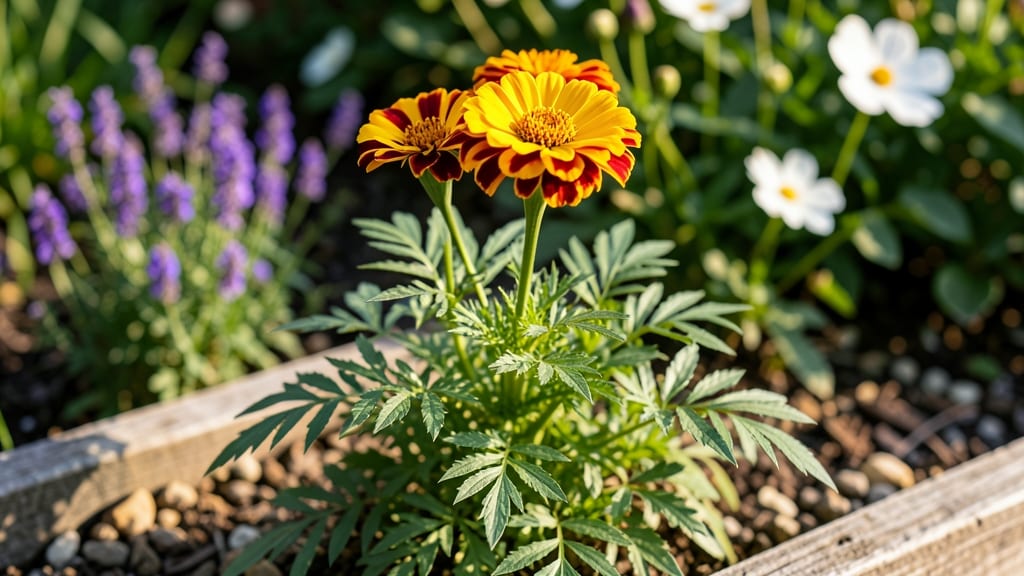
Marigold flowers bloom at their best flower time from early summer through fall 🌼, but their blooming season depends on when you plant and where you live.
Picture this: you’ve waited all spring for those bright orange and gold blooms, only to find your marigolds struggling to keep up with the heat or fading before frost. The key to year-round color isn’t just luck—it’s timing, soil, and a few simple tricks most gardeners miss.
In USDA Zone 6a, like much of the Midwest, marigolds thrive when planted in April or May after the last frost. But if you’re in a warmer zone, you can stretch their season by planting again in late summer.
The secret? Succession planting and deadheading spent blooms to keep them producing.
Below, I’ll break down the best planting windows for your climate, how to extend blooms, and the 5 biggest mistakes that cut their season short. Ready to turn your garden into a nonstop parade of color?
Best planting times for marigolds by climate zone
Marigolds are one of the easiest annuals to grow, but their flowering time depends heavily on when you plant them. In USDA zones 3-11, the best planting windows vary dramatically—from early spring in cold climates to late summer in hot regions.
The key is avoiding frost damage while maximizing sun exposure for vibrant blooms.
Most gardeners focus on spring planting, but marigolds can also thrive with summer and fall succession plantings. French marigolds, for example, bloom faster (about 60 days) than African varieties (about 75 days), giving you flexibility.
Let’s break down the ideal planting times by zone to keep your garden bursting with color year-round.
| USDA Zone | Spring Planting | Summer Planting | Fall Planting | Bloom Time |
|---|---|---|---|---|
| Zones 3-5 | After last frost (mid-May) | Early July (60 days before frost) | Late July (8 weeks before frost) | June-October |
| Zones 6-7 | April-May (soil 60°F+) | Late June | Early August | May-November |
| Zones 8-9 | February-March | July | September | March-December |
| Zones 10-11 | Year-round (avoid extreme heat) | June-August | October-November | February-January |
In cold climates (zones 3-5), marigolds thrive best when planted after the last frost—typically mid-May. For continuous blooms, add a second planting in early July to ensure flowers last until frost. In these zones, marigolds are frost-sensitive but can handle light freezes if established.
Gardeners in temperate zones (6-7) have the most flexibility. Start seeds indoors in March or direct-sow in April for early blooms. A second planting in late June extends color into fall. These zones benefit from succession planting every 3-4 weeks for non-stop flowers.
Warmer climates (zones 8-9) allow year-round planting, but avoid extreme heat. Plant in February-March for spring blooms, then again in July and September for fall color. In these zones, marigolds can bloom almost continuously with proper care.
For hot climates (zones 10-11), focus on fall and winter plantings to escape peak summer heat. Plant in October-November for spring blooms, then again in June-August for late summer flowers. Mulch heavily to retain moisture and protect roots from heat stress.
Pro tip: Use biodegradable pots for summer plantings to avoid transplant shock. Marigolds hate soggy roots, so ensure well-draining soil. In all zones, deadhead spent blooms to encourage more flowers and extend the season by 3-4 weeks.
🌼
How to extend marigold flower time with succession planting
Want marigolds blooming from early summer to frost? The secret is succession planting—a simple strategy to keep your garden vibrant all season. By staggering plantings every 2-3 weeks, you’ll ensure continuous color as older blooms fade and new ones take over.
This works especially well with French marigolds, which bloom faster than their African marigold cousins.
Start with the right soil prep and spacing to avoid overcrowding. Marigolds thrive in well-draining soil with a pH of 6.0-7.0. Mix in compost before planting to give roots a nutrient boost. For best results, plant seeds ½ inch deep and 12-18 inches apart, depending on the variety.
- 🌼 French marigolds: Fast bloomers (60 days), great for early plantings.
- 🌼 African marigolds: Slower (75 days), better for late-season color.
- 🌼 Signet marigolds: Compact, ideal for containers and borders.
- 📅 First planting: 2-3 weeks after last frost (spring).
- 📅 Second planting: 6-8 weeks later for mid-summer blooms.
- 📅 Third planting: Late summer (8 weeks before frost) for fall color.
- ☀️ Full sun (6+ hours/day) is non-negotiable for longer blooming.
- 📏 Dwarf varieties: Space 8-12 inches apart.
- 📏 Tall varieties: Space 18-24 inches apart.
- ✂️ Deadhead spent blooms weekly to encourage new flowers.
- 🌿 Fertilize lightly every 4-6 weeks with 5-10-10.
- 💧 Water deeply at soil level (avoid wetting foliage).
- 🌱 Pair with basil to repel pests and boost growth.
- 🌱 Plant near tomatoes to deter nematodes.
- 🌱 Avoid planting with cabbage (competes for nutrients).
Don’t forget to protect young seedlings from pests like aphids and slugs. Use row covers or neem oil if needed. With this method, you’ll enjoy non-stop marigold blooms from June through October—or even later in warm climates!
Pro tip: Mark your planting dates on a garden calendar to stay organized. For example, if your first batch blooms in July, your second planting (6 weeks later) will peak in September, just as the first batch starts fading.
Succession planting turns marigolds from a seasonal splash of color into a year-round garden staple. With the right timing and care, your garden will stay bright, pest-free, and pollinator-friendly all season long. 🌼