
How To
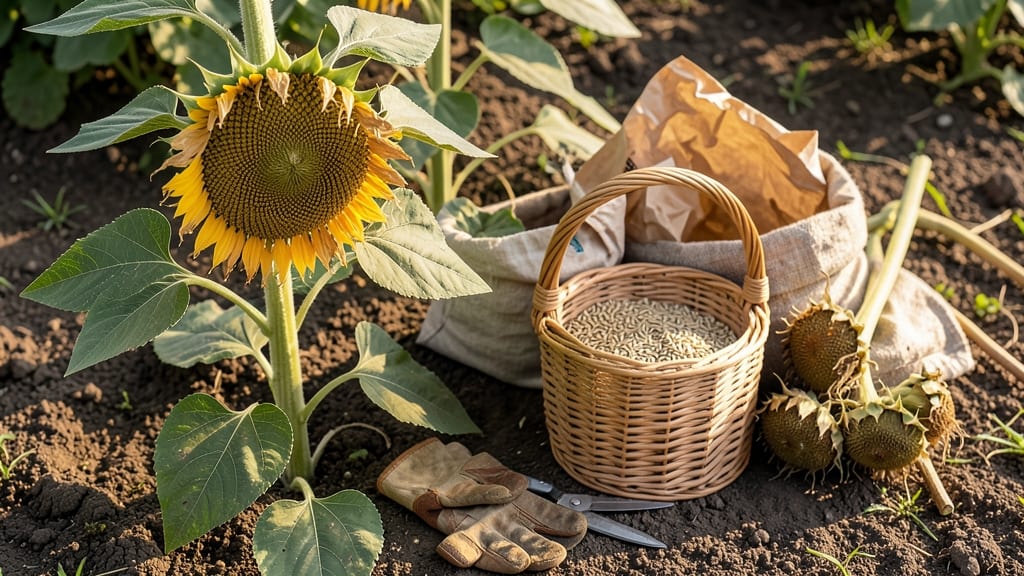
To tell when sunflower seeds 🌻 are ready to harvest, watch for three key changes: the back of the seed head turning brown, petals wilting, and seeds rattling inside.
Picture this: you’ve nurtured your towering sunflowers all season, only to wonder if those seeds are finally ready—or if you’ll end up with bitter, underdeveloped kernels. The difference between a perfect harvest and wasted effort often comes down to timing, and missing the window means throwing away weeks of growth.
Most gardeners focus on the seed head’s color, but the real clues lie in its texture and sound. A dry, papery feel and a gentle rattle when shaken confirm maturity, while a damp or green head means you’re too early.
Even the weather plays a role—harvesting after a dry spell ensures crisp seeds, while humidity can lead to mold.
In this guide, I’ll walk you through the exact visual and physical cues to pick your sunflowers at peak ripeness, plus tips for storing seeds so they stay viable for next year’s garden.
3 Key visual signs sunflower seeds are ready for harvesting
Knowing exactly when to harvest sunflower seeds can make the difference between plump, flavorful seeds and bitter, shriveled ones. The perfect harvest window is brief, so spotting these three key visual signs will help you time it right.
Miss these cues, and you risk harvesting too early (underdeveloped seeds) or too late (seeds that fall victim to birds or mold).
First, pay attention to the petals. When they begin to wilt and droop—often turning brown at the edges—this signals the plant is shifting its energy from blooming to seed production.
Ignoring this sign means you might harvest too late, when seeds could already be scattered by birds or spoiled by rain.
Next, focus on the back of the seed head. A dry, papery texture and a brown or tan color are unmistakable indicators. If you see green lingering, the seeds aren’t ready yet.
This part of the plant is your best clue, as it changes color and texture long before the seeds inside are fully mature.
Finally, give the seed head a gentle shake. If the seeds inside rattle loudly, they’re ready. This sound means the seeds have fully developed and detached from the center column. A quiet shake? Wait a few more days—your seeds need more time to mature.
Look for drooping petals turning brown at the edges. This signals the plant is redirecting energy to seed development.
A dry, papery texture and tan/brown color on the back confirm seed maturity. Green means wait longer.
A loud rattling sound means seeds are loose and ready. No sound? They need more time to dry on the plant.
Harvesting too early is a common mistake, especially for beginners. If you pick seeds when the petals are still vibrant or the seed head feels moist or green, you’ll end up with underdeveloped, bitter seeds.
These seeds won’t store well and may not even germinate if saved for next year.
On the flip side, waiting too long risks bird damage or seed spoilage from rain. Once the seed head turns completely brown and starts to split open, seeds can scatter or absorb moisture, leading to mold. Timing is everything—aim to harvest within 2-3 days after these signs appear.
Pro tip: Morning harvests are ideal because the seed heads are dry and crisp after overnight drying. Avoid harvesting after rain, as damp seeds are prone to mold. Use clean, sharp pruning shears to cut the seed head, leaving a few inches of stem for easier handling.
Once you’ve harvested, let the seed heads dry indoors for 1-2 weeks in a well-ventilated area. Spread them on a tray lined with newspaper to prevent mold.
Rub the dried heads between your hands to release the seeds, then store them in a cool, dry place for up to 3 years.
Mastering these three visual signs will transform your sunflower harvest from hit-or-miss to consistently high-quality seeds. Next time you’re eyeing those golden blooms, check for wilted petals, a dry seed head, and that telltale rattle—your cue to strike while the seeds are perfect.
How to test sunflower seed maturity: the finger squeeze method
Once your sunflower petals have fallen and the seed head looks dry, it’s time to test maturity with the finger squeeze method. This simple trick helps determine if seeds are fully developed but not overripe—critical for both oil-type and confectionary varieties.
Overripe seeds lose flavor and viability, while underripe seeds won’t store well.
The finger squeeze method works by assessing the seed head’s firmness and the sound of the seeds inside. For oil sunflowers, like those used for cooking oil, seeds need slightly more maturity than confectionary types meant for eating raw.
Here’s how to do it right every time, variety-specific tips included.
Step-by-Step Finger Squeeze Test
- Step 1: Gently grasp the seed head near the base where the stem meets the head. Use your thumb and forefinger to apply light pressure—just enough to feel resistance.
- Step 2: Listen for a dull thud or hollow sound when you tap the seed head lightly with your knuckles. If it sounds empty or papery, seeds are ready.
- Step 3: Squeeze firmly—if the seed head feels dry and crumbly (like a dried flower), it’s mature. If it’s still springy or moist, wait 2-3 more days.
- Step 4: For oil sunflowers, squeeze until the seeds pop easily when pressed between fingers. Confectionary types should feel slightly firmer to retain sweetness.
- Step 5: Check the seed color: mature seeds should be uniformly dark (black, gray, or striped). If seeds are pale or speckled, they’re not fully ripe.
Timing is everything—harvest too early, and seeds won’t store well; harvest too late, and they’ll sprout in the head or lose flavor. Confectionary sunflowers, like ‘Autumn Beauty’ or ‘Moulin Rouge,’ should be harvested when 70-80% of seeds pass the squeeze test. Oil sunflowers, such as ‘Hybrid 893,’ can wait until 90% maturity for higher oil content.
After the test, cut the seed head with 2-3 inches of stem attached and hang it upside down in a dry, well-ventilated spot (like a garage or shed).
This allows seeds to fully dry and loosen from the head over 1-2 weeks. Avoid indoor drying with high humidity, which can cause mold.
Pro tip: Mark your calendar when you spot the first brown seed heads. Most varieties take 80-120 days to mature, so plan accordingly. If frost threatens before seeds are ready, harvest early and finish drying indoors with a dehydrator or fan set to low heat.
Once seeds are fully dry, rub the head between your hands or use a fine-mesh sieve to separate them. Store in an airtight container in a cool, dark place for up to 5 years. Label varieties if saving seeds for next year—this keeps your garden’s diversity thriving! 🌻