Shrubs
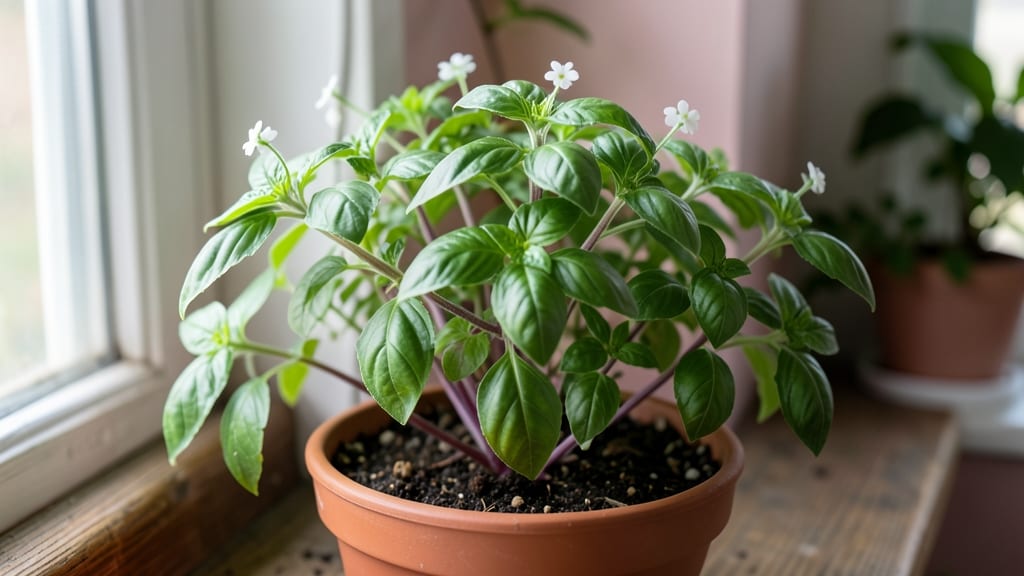
Telling if your basil 🌿 is flowering means spotting tiny white or purple buds forming at the leaf joints, a sign your plant is shifting focus from leaves to seeds.
If your basil plant is suddenly producing small white or purple flowers instead of fresh leaves, your harvest is about to take a turn for the worse—unless you act fast. Recognizing these early signs can save your crop, but many gardeners miss them until it’s too late.
Flowering basil isn’t just about aesthetics—it signals the plant is redirecting energy toward seed production, leaving your leaves bitter and sparse. The key is acting within 24 hours of spotting those first buds to prune them off and redirect growth back to leafy goodness.
Below, I’ll walk you through the 5 most reliable signs your basil is flowering, how to tell it apart from stress or pests, and the simple pruning trick that keeps your plant producing lush, flavorful leaves all season long.
5 Visual signs your basil plant is flowering (with photos)
Your basil plant might look healthy one day and suddenly start producing tiny white or purple flowers the next. These flowers signal that your plant is shifting energy from leaf production to seed creation—a major red flag for gardeners.
When basil flowers, the leaves become bitter and less flavorful, drastically reducing your harvest potential. The key to saving your crop is catching these signs early, before the flowers fully bloom.
Flowering in basil isn’t always obvious, especially for beginners. Some gardeners confuse early buds with pests or nutrient deficiencies, delaying critical action. But once you know what to look for, you can prune the flowers and redirect your plant’s energy back to leaf growth.
Let’s break down the five visual signs that your basil is flowering, so you can act fast and keep your harvest thriving.
- 1 Tiny White or Purple Buds appear at the leaf axils (where leaves meet the stem). These flower buds start as small, round bumps, often 1/8-inch wide, and resemble tiny cauliflower florets.
- 2 Elongated Stems stretch upward from the center of the plant. These flower stalks can grow 6-12 inches tall and are thinner than the main stems, often appearing woody or brittle as they mature.
- 3 Leaves Turn Yellow or Purple near the flower stalks. This chlorosis (loss of green pigment) happens because the plant is redirecting nutrients to the flowers, starving the leaves of chlorophyll.
- 4 Flowers Open Fully into small clusters of white or purple blooms. These flowers resemble tiny orchids and appear in dense groups at the tips of the stalks. Once open, they signal the plant is bolting (transitioning to seed production).
- 5 Leaves Become Bitter and lose their signature anise-like aroma. If crushed leaves smell sharp or medicinal instead of sweet, your basil is already flowering and past the ideal harvest window.
Catching these signs early is crucial because once basil flowers, the leaves stop producing essential oils, making them unpalatable for cooking. The good news? You can prune the flower stalks to encourage new leaf growth.
Simply use clean pruning shears to cut the stalk just above a leaf node, and your plant will often respond by producing fresh, flavorful leaves within weeks.
But how do you know if those tiny buds are actually flowers and not something else? For example, aphids or spider mites can cause similar-looking deformities.
The key difference is location: flower buds appear at the leaf axils (where leaves meet the stem), while pest damage often shows up as sticky residue or webbed areas. If you see white cottony masses, that’s likely mealybugs, not flowers.
Another common mistake is confusing stress-induced leaf curling with early flowering. If your basil leaves are curling but no buds are visible, check for underwatering or overwatering. Healthy basil leaves should be bright green and slightly wrinkled, not curled or yellowing.
If you’re unsure, gently pinch a leaf node—if it feels woody or hardened, it’s likely a flower stalk in disguise.
Once you’ve identified the flowering signs, act quickly. Remove the entire flower stalk down to the main stem, and your basil should rebound with new growth in about 2-3 weeks. For container-grown basil, this pruning also helps prevent the plant from becoming top-heavy and falling over.
Pro tip: Use the pruned stalks to propagate new basil plants in water—it’s a great way to multiply your harvest!
If your basil keeps flowering despite your best efforts, it might be a sign of stress from heat waves, poor soil, or overcrowding. In this case, consider relocating the plant to a shadier spot or repotting it in fresh, nutrient-rich soil.
Adding a balanced fertilizer (like 10-10-10) can also encourage leafy growth over flowers.
Remember, flowering isn’t the end of your basil plant—it’s just a signal to prune and redirect its energy. With the right care, your basil can bounce back and give you a second harvest later in the season.
Keep an eye out for those tiny buds, and you’ll never let a good harvest go to waste!
Why basil flowering ruins your harvest (and how to fix it)
When your basil plant starts flowering, it’s not just a pretty sight—it’s a signal your leaf production is about to crash. Basil is an annual herb that prioritizes reproductive growth over leaf growth, meaning those tiny white or purple flowers are stealing energy meant for your culinary harvest.
Once flowering begins, your plant will shift focus from lush leaves to seed production, leaving you with bitter, sparse foliage.
This shift happens because basil plants follow a natural photoperiod response. When days grow shorter (a signal of late summer), basil triggers its flowering mechanism to ensure seed survival. But for gardeners, this timing is disastrous—it often coincides with peak harvest season.
Understanding this process helps you act before your plant bolts, or sends up a tall, woody stem with minimal leaves.
⚠️ How to Tell If Basil Is Flowering
Look for these 3 key signs:
- ✅ Tiny buds forming in leaf axils (where stems meet leaves)
- ✅ White or purple flower spikes emerging from the center
- ✅ Slower leaf growth or leaves turning bitter
If you spot these, act fast—pruning is your best defense!
To fix a flowering basil plant, start by pruning the flowers. Use clean, sharp scissors or pruners to snip off the flower spikes at the base, including the small buds forming in the leaf axils.
This redirects the plant’s energy back to leaf production. For a heavy-flowering plant, you may need to prune up to 50% of the blooms to see noticeable regrowth within 1-2 weeks.
For future plants, delay flowering by providing consistent care. Basil thrives with 6+ hours of sunlight and well-draining soil, but it also needs regular watering and nutrients. Use a balanced fertilizer (like 10-10-10) every 4-6 weeks to encourage robust growth.
Avoid overcrowding, as stressed plants bolt faster. If your basil is already flowering, pinch off buds as soon as you see them to extend your harvest season.
Another organic trick is to harvest leaves aggressively. Pinching the top sets of leaves encourages bushier growth and delays flowering. This method works best when combined with proper sunlight and watering.
If your basil is in a container, consider moving it to a shadier spot (but not full shade) to slow down the flowering process. Just remember—partial shade is temporary; full sun is ideal for flavor.
Flowering basil isn’t a death sentence, but it does require immediate action. By pruning blooms and optimizing growing conditions, you can revive your plant and enjoy a longer harvest season. The key is catching the signs early—so keep an eye on those leaf axils!
With the right care, your basil can bounce back and keep producing those aromatic leaves you love. 🌿