
How To
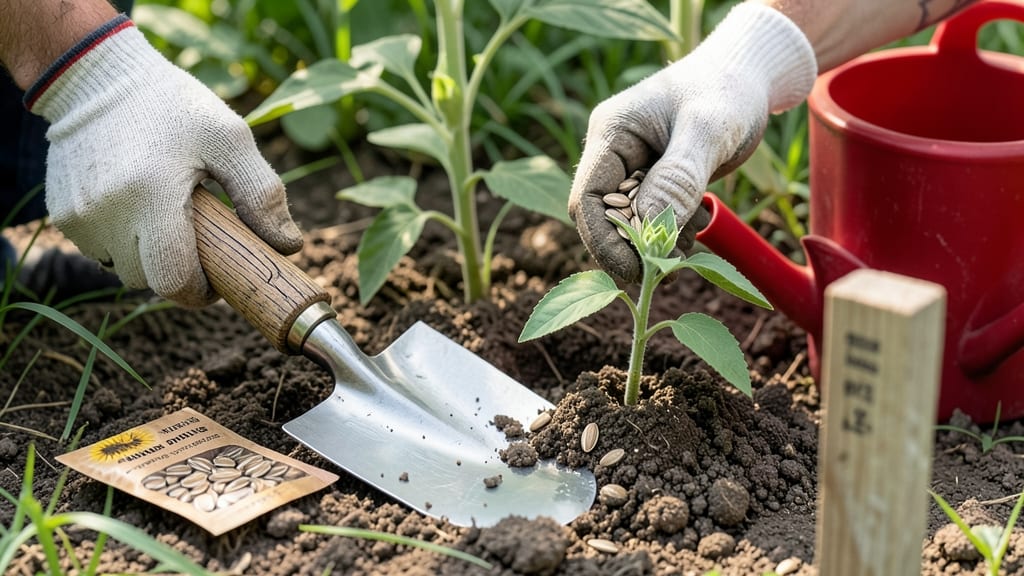
Planting sunflower seeds at the right depth and spacing is the fastest way to get those towering 🌻 stalks sprouting in just 7-14 days.
Picture this: you’ve waited all spring for those golden blooms, only to watch your seeds sit stubbornly underground, refusing to break through. That’s usually a depth or spacing mistake—and it’s easier to fix than you think.
Sunflowers thrive when planted 1-2 inches deep in loose, well-drained soil, with 6-24 inches between each seed. Too shallow, and they dry out; too deep, and they struggle to surface.
I’ll walk you through the exact steps to get 90% germination, plus pro tips for containers, raised beds, and even rocky soil.
By the end, you’ll know exactly when to water, how to spot early signs of trouble, and why your neighbors’ sunflowers always seem to outgrow yours. Let’s make this your best sunflower season yet.
Optimal sunflower seed planting depth and spacing for maximum germination
Sunflowers thrive when planted with precision, and getting the planting depth and spacing right ensures 90%+ germination rates. Too deep, and your seeds may rot; too shallow, and they’ll dry out.
The ideal sunflower seed depth is 1-2 inches, while spacing depends on your variety—6-24 inches apart—to give roots room to grow without competing for nutrients.
Research shows sunflower seeds germinate best when soil temperatures reach 60-70°F (15-21°C). In cooler climates, wait until after the last frost date (typically April-May in USDA Zone 6a) to plant.
Warmer regions can start as early as March, but always check your local frost dates to avoid stunted growth from chilly nights.
Regional adjustments matter too. Northern gardeners should plant slightly deeper (1.5-2 inches) to protect seeds from fluctuating temperatures, while southern gardeners can opt for shallower planting (1 inch) where soil stays consistently warm. Adjust spacing too—dwarf varieties (6-12 inches apart) work well in containers, while standard types (18-24 inches apart) need room for their towering growth.
Loosen the soil to a depth of 6-8 inches before planting to improve drainage and root penetration. Amend heavy clay or sandy soil with 2-3 inches of compost to create a nutrient-rich environment.
Sunflowers prefer well-draining soil with a pH of 6.0-7.5, so test your soil if you’re unsure—adjust with lime (to raise pH) or sulfur (to lower it) if needed.
Pro tip: Plant seeds in small groups of 3-5 rather than single seeds to mimic natural clusters. This encourages stronger stems and larger blooms. Space groups 2-3 feet apart for standard varieties to prevent overcrowding, which can lead to pale, leggy stems and reduced flower production.
Water gently after planting to settle the soil around seeds, but avoid overwatering, which can cause rot. Keep the soil consistently moist (not soggy) until germination occurs, typically within 7-14 days. Once sprouts appear, reduce watering slightly to 1 inch per week to encourage deep root growth.
For container gardening, use pots at least 12 inches deep and wide for dwarf varieties, or 18 inches for standard types. Plant 2-3 seeds per container and thin to the strongest sprout.
Containers dry out faster, so monitor soil moisture closely—water when the top 1 inch feels dry to the touch.
Sunflowers are drought-tolerant once established, but young plants need consistent moisture to develop strong roots. Mulch around the base with 2-3 inches of straw or wood chips to retain moisture, suppress weeds, and regulate soil temperature.
This is especially helpful in hot, dry climates where soil can bake hard and crust over.
If you’re planting in cooler climates (USDA Zones 3-5), consider using black plastic mulch to warm the soil faster. This can shave 1-2 weeks off germination time by raising soil temperatures by 5-10°F. Just remember to remove it once plants are established to prevent overheating.
Finally, rotate your sunflower planting location next year to prevent soil-borne diseases like powdery mildew or rust. These fungi thrive in dense sunflower patches, so giving your garden a 2-3 year break in the same spot keeps your plants healthy and vibrant.
Step-by-step guide to planting sunflower seeds in any garden type
Sunflowers thrive in almost any garden setup—whether you have a sprawling backyard, a cozy balcony, or a raised bed. The key to success lies in soil preparation, proper spacing, and adapting to your garden type.
I’ve planted sunflowers in all three scenarios, and here’s what I’ve learned to ensure fast germination and healthy growth from day one.
Before you start, pick your garden type: in-ground soil, containers, or raised beds. Each requires slight adjustments, but the core principles—well-draining soil, full sun exposure, and correct depth—remain the same.
Let’s break it down step by step to avoid common pitfalls like overcrowding or poor drainage, which can stunt your sunflowers before they even sprout.
🌱 Step-by-Step Planting Guide
- 1 Prep Your Soil: Loosen the top 6-8 inches of soil to break up compaction. Mix in 2-3 inches of compost for nutrients. For containers, use a well-draining potting mix with perlite or sand.
-
2
Choose Your Spacing:
- Dwarf varieties (1-3 ft): 6 inches apart
- Medium varieties (3-6 ft): 12-18 inches apart
- Standard varieties (8-14 ft): 24 inches apart
- 3 Plant the Seeds: Drop 1-2 seeds per hole at a depth of 1 inch. For containers, plant 2-3 seeds per 5-gallon pot. Press lightly to ensure soil contact for germination.
- 4 Water Gently: Mist the soil with water to keep it consistently moist (not soggy). Use a spray nozzle to avoid displacing seeds. Aim for 1 inch of water per week once sprouted.
- 5 Thin Seedlings: Once seedlings reach 2 inches tall, thin to the strongest plant per spot. Snip weaker stems at the base with scissors to avoid disturbing roots.
- 6 Add Support (Optional): For varieties over 6 feet tall, install stakes or cages at planting to prevent wind damage or toppling. Use soft ties to secure stems as they grow.
For raised beds, ensure the bed is at least 12 inches deep to accommodate sunflower roots. If your soil drains poorly, add a 1-inch sand layer at the bottom before filling with soil.
In containers, choose pots with drainage holes and place them in a sunny spot—balconies or patios work perfectly. I’ve even grown sunflowers in 5-gallon buckets with great success!
Pro tip: Plant sunflowers near bush beans or corn to improve soil health and deter pests. Avoid planting near potatoes, as sunflowers can compete for nutrients. Once your sunflowers are established, they’re drought-tolerant, but young plants need consistent moisture to prevent wilting.
Mulch around the base with straw to retain soil moisture and suppress weeds.
If you notice yellowing leaves or stunted growth, check for overwatering or poor drainage. Sunflowers hate soggy roots! Adjust your watering schedule and ensure your garden type allows for proper airflow.
With these steps, you’ll have vibrant sunflowers** reaching for the sky in no time—ready to brighten your garden with their cheerful faces by summer!