
Planting
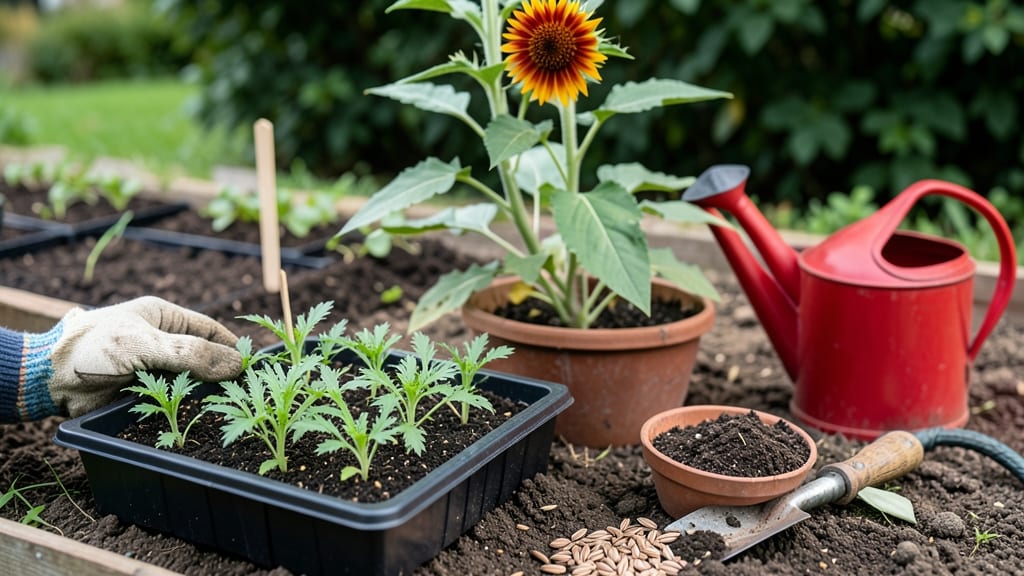
Planting safflowers 🌼 is simpler than you’d think—just follow these three key steps to turn seeds into towering, drought-resistant blooms that attract pollinators and add height to your garden.
Struggling to grow vibrant safflower plants that thrive from seed to bloom? These drought-resistant beauties are easier to cultivate than you think—when you follow the right planting secrets.
The secret to success starts with well-drained soil and the right timing: aim for March to May in USDA Zone 6a, when the ground warms to at least 60°F. Too early, and the seeds rot; too late, and your plants bolt before flowering.
In this guide, you’ll learn the exact depth, spacing, and sunlight tricks that turn 75% of seedlings into strong, mature plants—plus how to troubleshoot common early-stage issues like leggy stems or slow germination.
Perfect safflower planting conditions: soil, depth, and spacing explained
Safflowers (Carthamus tinctorius) are stunning annuals that thrive with minimal fuss, but getting their planting conditions right ensures lush growth and vibrant blooms. These sun-loving plants need well-draining soil and the perfect balance of space to avoid competition.
Let's dive into the specifics that will set your safflowers up for success from day one.
First, the soil type matters more than you might think. Safflowers prefer loamy or sandy soil with a pH between 6.0 and 7.5. Heavy clay soils can suffocate roots, while overly rich soil may lead to excessive foliage at the expense of flowers.
Amend your garden bed with compost or coarse sand if your native soil is too dense.
Planting depth is another critical factor often overlooked. Seeds should be sown 0.5 to 1 inch deep—any deeper, and they may struggle to emerge. Use your finger to create small furrows, place seeds gently, then cover lightly with soil. This shallow depth ensures optimal moisture while preventing rot.
When it comes to spacing, safflowers need room to stretch their legs—literally. Plant seeds 12 to 18 inches apart in rows spaced 18 to 24 inches apart. This spacing prevents overcrowding, which can lead to pests, diseases, and poor air circulation.
Taller varieties (like 'Golden Tower') may need even more room to avoid shading smaller plants.
Timing your planting season is just as important as the conditions themselves. For most climates, spring planting after the last frost (when soil temperatures reach at least 60°F) is ideal.
However, safflowers are also cool-season tolerant, making fall planting (6 weeks before your first frost) a great option in mild regions. This two-season flexibility gives you options whether you're in a short or long growing zone.
One common mistake gardeners make is overwatering during germination. While safflowers are drought-tolerant once established, their seeds need consistent moisture to sprout. Water gently after planting, then reduce frequency once seedlings emerge. Let the top inch of soil dry between waterings to prevent root rot and fungal issues.
If you're planting in containers, use well-draining pots with at least 12-inch diameter for each plant. Ensure containers have drainage holes and fill with a light, airy potting mix. Container-grown safflowers may need slightly more frequent watering since pots dry out faster than garden beds.
For ornamental varieties, focus on bright, sunny locations where their vibrant blooms will stand out. If growing safflowers for oil or seeds, prioritize spacious beds and avoid high-nitrogen fertilizers, which encourage leafy growth over seed production. A light application of 5-10-10 fertilizer at planting time is usually sufficient.
Remember, safflowers reward patience with their striking flowers and low-maintenance nature. By paying attention to these planting fundamentals, you'll create an environment where your safflowers can thrive from seed to showstopping bloom. Happy planting! 🌼
Step-by-step safflower planting process for beginners
Ready to grow stunning safflower plants with vibrant blooms? These hardy annuals thrive with minimal fuss, but proper planting sets the foundation for success. I’ll walk you through every step—from soil prep to seedling care—so you can enjoy drought-resistant beauty in your garden.
Whether you’re planting in spring or fall, these tips ensure strong germination and healthy growth.
Safflowers need well-draining soil and full sun exposure (6–8 hours daily) to flourish. Before you start, gather your tools: a garden rake, gloves, a watering can, and a small shovel. Work in a sunny spot with loose soil, and avoid areas prone to waterlogging.
With the right prep, your seeds will sprout in 7–14 days and reward you with striking orange or yellow blooms.
1. Prepare the Soil
Choose a sunny spot with well-draining soil. Loosen the top 6 inches with a rake, removing rocks and debris. Mix in compost to enrich the soil and improve drainage.
2. Plant the Seeds
Scatter safflower seeds ½ inch deep and 12–18 inches apart. For rows, space them 24 inches apart to allow airflow. Lightly cover seeds with soil and pat gently.
3. Water Gently
Use a watering can to moisten the soil, keeping it consistently damp but not soggy. Avoid overhead watering to prevent fungal diseases. Water in the morning for best results.
4. Monitor Germination
Sprouts typically appear in 7–14 days. Once seedlings emerge, thin them to 12–18 inches apart to prevent overcrowding. Use scissors to avoid disturbing roots.
5. Thin Seedlings
Remove weaker seedlings, leaving the strongest 12–18 inches apart. This ensures each plant gets enough nutrients and sunlight. Mulch around the base with straw or grass clippings to retain moisture.
6. Maintain Care
Water deeply once a week during dry spells. Avoid wetting foliage to prevent pests. Fertilize lightly with a balanced 5-10-10 mix when seedlings are 4–6 inches tall.
After planting, keep an eye on your safflowers for pests like aphids or diseases from overwatering. If you notice yellowing leaves, reduce watering or improve drainage.
With proper care, your plants will grow 4–6 feet tall and bloom in 90–120 days, adding a pop of color to your garden.
Pro tip: Safflowers attract pollinators like bees, making them a great addition to any pollinator-friendly garden. Once blooms fade, you can harvest the seeds for oil or leave them for birds to enjoy. Happy planting!