
Planting
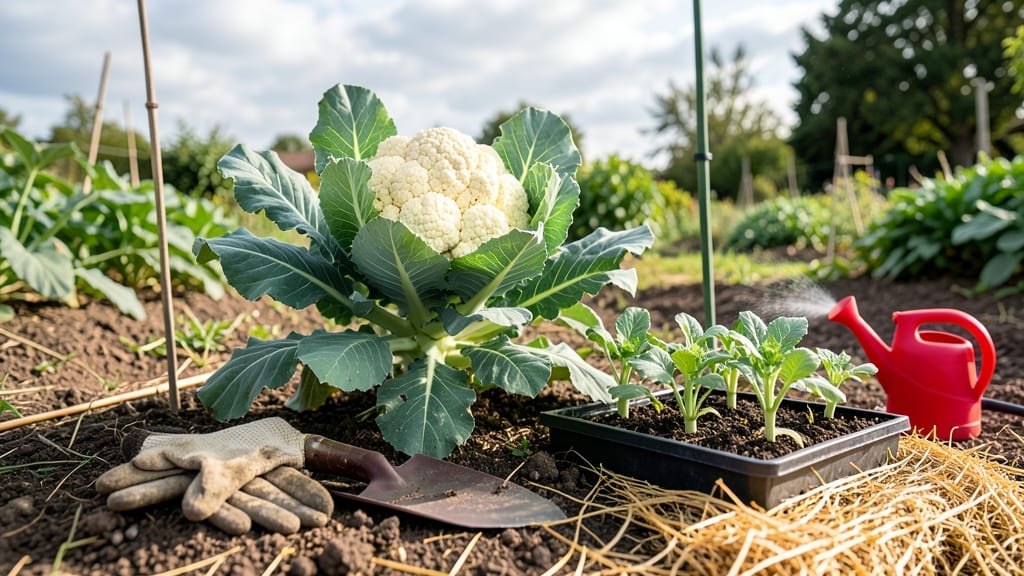
To plant cauliflower plants the right way means spacing them just enough to avoid competition but not so far apart that you waste garden space 🥬.
Struggling to grow cauliflower heads that are dense, uniform, and free from competition? The secret lies in proper spacing and planting techniques—small mistakes here can mean the difference between a bumper crop and a disappointing harvest.
Cauliflower thrives in cool spring weather but needs room to breathe. Crowd your plants, and you’ll end up with stunted heads, yellowing leaves, or even disease. But space them too far apart, and you’ll miss out on that satisfying harvest of tight, firm curds.
In this guide, I’ll walk you through the exact spacing rules, soil prep, and early care tips to ensure your cauliflower plants grow into healthy, productive heads—no guesswork required.
Optimal cauliflower spacing: science-backed guidelines for dense heads
Cauliflower thrives when given the right amount of space to develop those dense, uniform heads we all love. Too close, and you’ll end up with small, misshapen curds and increased disease risk.
Too far apart, and you waste garden real estate. The magic number? It depends on your cauliflower variety and growing conditions—but I’ll break it down for you.
Proper spacing isn’t just about head size; it’s also about air circulation and root competition. Crowded plants struggle to mature, leaving them vulnerable to fungal diseases like black rot or downy mildew.
Even worse, poor spacing can delay harvests by weeks. Let’s dive into the science-backed spacing guidelines that’ll give you the best yield and healthiest plants.
Here’s the key: 18-24 inches between plants in rows spaced 24-36 inches apart. But wait—there’s more! Variety matters. Compact varieties like ‘Purple of Sicily’ can handle tighter spacing, while large-headed types like ‘Snowball Y Improved’ need extra room to shine. Let’s explore the details in this quick-reference table.
Why does depth matter? Cauliflower seeds need to be planted just ½ inch deep—any deeper, and they’ll struggle to emerge. The roots need room to spread, but the crown (where the head forms) should sit just above soil level.
If planted too shallow, seedlings may dry out or get washed away.
Spacing also affects disease prevention. Plants that are too close create a humid microclimate, perfect for fungal spores. I’ve seen black rot wipe out entire beds because rows were packed too tightly. Aim for that 18-24 inch spacing to let air circulate and keep leaves dry.
Don’t forget about row orientation! In the Northern Hemisphere, plant rows north-to-south to maximize sunlight exposure. This simple trick can boost head size by up to 20% by ensuring every plant gets equal light. In small gardens, consider raised beds with staggered rows to optimize space.
For container gardening, use at least 12-inch pots per plant and space them 18 inches apart. Containers dry out faster, so monitor soil moisture closely. I’ve grown cauliflower in 5-gallon buckets with great success—just add a moisture-retentive mix of compost and coconut coir.
One mistake I see often? Overcrowding for early harvests. Tight spacing might give you a few extra heads, but they’ll be small and bitter.
Prioritize quality over quantity—your taste buds (and dinner guests) will thank you. If you’re short on space, opt for compact varieties like ‘Cheddar’ or ‘Graffiti’.
Finally, adjust spacing based on your climate. In cooler regions (USDA Zones 3-5), plants grow slower, so you can space them slightly closer. In hot climates (Zones 7-10), give them extra room to handle heat stress.
Always check your local frost dates—cauliflower needs 60-100 days to mature, so plan spacing accordingly.
Master these spacing guidelines, and you’ll be harvesting dense, disease-free cauliflower heads all season long. Happy planting! 🥬🌱
Step-by-step guide to planting cauliflower transplants without crowding
Planting cauliflower transplants correctly is the foundation for dense, healthy heads. Too close, and your plants will compete for nutrients; too far, and you’ll waste garden space. The key is proper spacing combined with gentle handling to minimize transplant shock.
I’ve learned from years of trial and error that soil prep and plant arrangement are just as critical as the spacing itself.
Before you even pick up your trowel, ensure your garden soil is well-draining and rich in organic matter. Cauliflower loves fertile soil with a pH between 6.0 and 7.0.
If your soil is heavy clay or sandy, amend it with compost or aged manure at least 2-3 weeks before planting. This gives microbes time to break down the organic matter, creating a perfect environment for your transplants to thrive.
How to Plant Cauliflower Transplants
- Step 1: Water seedlings thoroughly 1-2 days before transplanting to reduce shock.
- Step 2: Dig holes twice as wide as the root ball but only as deep as the container.
- Step 3: Space plants 18-24 inches apart in rows 30-36 inches apart for standard varieties.
- Step 4: Gently remove seedlings, loosen roots, and place them in holes without burying the stem.
- Step 5: Backfill with soil, firm gently, and water deeply to eliminate air pockets.
- Step 6: Apply 1 inch of mulch around plants to retain moisture and suppress weeds.
When arranging your cauliflower plants, consider using a block planting method instead of traditional rows. This approach reduces disease spread by improving air circulation and makes harvesting easier. For compact varieties, you can space plants 12-18 inches apart, but be prepared for slightly smaller heads.
Always stagger your plants in a grid pattern to maximize space efficiency.
One of the most common mistakes I see is overcrowding seedlings to save space, which leads to stunted growth and increased disease risk. If you’re working with a small garden, opt for dwarf varieties like ‘Purple of Sicily’ or ‘Snowball Y Improved,’ which tolerate closer spacing.
Avoid planting cauliflower near other heavy feeders like tomatoes or peppers, as they’ll compete for nutrients.
After transplanting, water deeply every 2-3 days for the first week to help roots establish. Avoid wetting the leaves to prevent fungal diseases like downy mildew. Once your plants are settled, maintain consistent moisture—cauliflower hates drying out.
A simple trick I use is to check soil moisture by sticking your finger 1 inch deep; if it’s dry, it’s time to water.
With these steps, you’ll create an environment where your cauliflower transplants thrive from day one. Proper spacing isn’t just about avoiding competition—it’s about giving each plant the room to develop tight, flavorful heads that’ll make your harvest worth the effort. Happy planting! 🌱