
How To
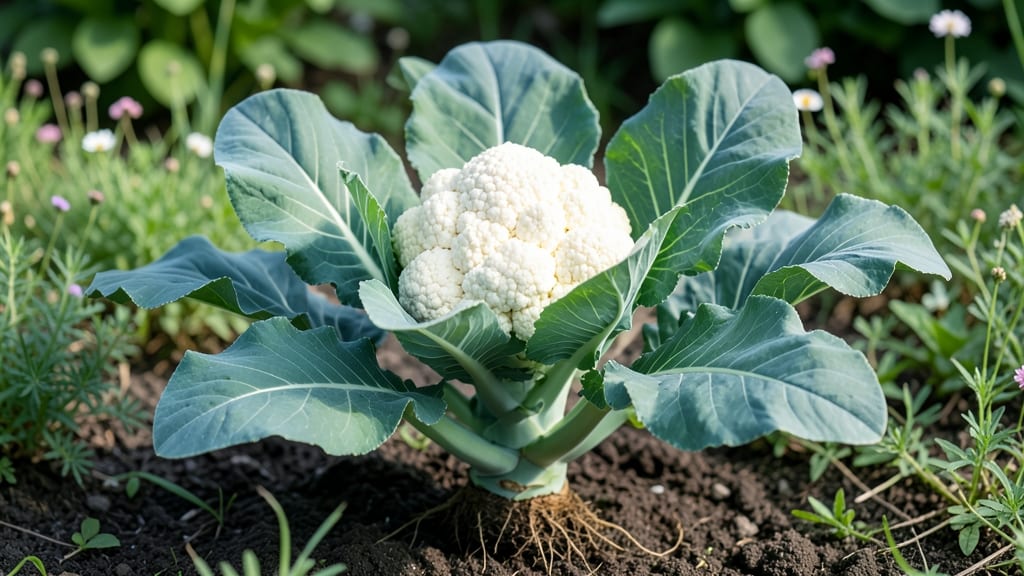
Cauliflower plants typically grow between 18 and 24 inches tall—but the exact height depends on the variety and how you plan your garden.
Picture this: you’ve cleared space for your 🥬 cauliflower patch, only to realize some varieties stretch nearly 3 feet while others stay compact. That difference isn’t just about aesthetics—it impacts spacing, sunlight exposure, and even whether you’ll need trellises or companion plants to support them.
For home gardeners in Zone 6a, choosing the right variety means the difference between a crowded, shade-starved mess and a thriving, high-yield harvest.
Dwarf types like ‘Snowball Y Improved’ stay under 2 feet, while heirlooms like ‘Romanesco’ can reach 3 feet or more, demanding extra room and careful planning.
Below, I’ll break down how to match your garden space to your cauliflower’s growth habit—plus how to adjust spacing, sunlight, and even trellising for the best results.

Cauliflower height by variety: compact vs. tall-growing types explained
Choosing the right cauliflower variety depends heavily on your garden’s size and layout. Most cauliflower plants reach 1.5 to 2.5 feet tall at maturity, but some dwarf varieties stay as short as 12 inches.
The height difference isn’t just about aesthetics—it directly impacts spacing needs, sunlight exposure, and even harvest success. For example, a tall variety like Snowball Y Improved can tower up to 3 feet, while compact types like Purple of Sicily rarely exceed 2 feet.
Understanding these variations helps you avoid overcrowding or wasted space.
If you’re working with a small garden or containers, dwarf varieties are your best bet. These compact cauliflowers thrive in tight spaces and often produce multiple smaller heads per plant.
On the other hand, taller varieties like Romanesco or Green Duke need more room to develop their distinctive, tree-like heads. The key is matching the variety’s mature height to your garden’s layout while ensuring each plant gets enough air circulation to prevent disease.
Here’s the catch: overcrowding isn’t just about height—it’s also about leaf spread. A 2-foot-tall cauliflower might have a 3-foot-wide canopy, so spacing is just as critical as vertical room. For instance, planting Snowball Y Improved too closely can lead to stunted growth or blight due to poor airflow.
Let’s break down the most popular varieties by height so you can plan your garden like a pro.
One of my favorite compact varieties is Mini Purple, which stays under 1.5 feet tall and produces tiny, vibrant purple heads perfect for kids’ gardens or container growing. These dwarf cauliflowers are ideal if you’re short on space but still want a high-yielding crop.
They also mature faster, giving you a quicker harvest. For larger gardens, Snowball Y Improved is a classic choice—its tall, bushy stature makes it great for full-sun plots, but you’ll need to give it extra room to avoid shading out neighboring plants.
If you’re growing Romanesco, prepare for a unique visual treat—its fractal-like heads are as stunning as they are delicious. However, its 2–3 foot height means you’ll need to space plants 24 inches apart to allow for both vertical and horizontal growth. This variety also benefits from staking
How to adjust garden spacing for different cauliflower heights
Cauliflower plants vary dramatically in size, and choosing the right spacing can mean the difference between a bountiful harvest and stunted growth. Dwarf varieties like 'Purple of Sicily' stay compact at just 12–18 inches tall, while towering types like 'Romanesco' can reach 3 feet or more.
The key is matching your variety’s mature height to its spacing needs—crowding leads to poor air circulation, which invites disease and weakens heads.
For small gardens, dwarf cauliflowers are your best bet. They thrive in tight spaces with 12–18 inches between plants and 24 inches between rows, making them perfect for containers or raised beds.
Meanwhile, standard varieties need 24–36 inches of space to avoid competition for nutrients and sunlight, ensuring those prized white curds develop properly.
If your space is limited, consider vertical gardening hacks like trellising or growing cauliflower in tall containers. Use sturdy stakes or cages to support taller varieties, freeing up ground space for other crops.
Just ensure the trellis is wide enough to hold the head—cauliflower curds can get heavy, and flimsy supports may snap under the weight.
One common mistake is overcrowding, which leads to leggy stems and small, bitter heads. I’ve seen gardeners squeeze plants too close to save space, only to end up with poor yields.
Instead, thin seedlings early to give roots room to spread. Aim for 1–2 healthy plants per square foot, adjusting based on your variety’s height.
For compact gardens, interplant cauliflower with shallow-rooted companions like lettuce or radishes. These fast growers won’t compete for space or nutrients, allowing your cauliflower to focus on developing those plump, flavorful heads. Just avoid planting near broccoli or cabbage, which can attract the same pests and diseases.
Finally, monitor your plants for height-related stress. If stems stretch too tall and thin, they’re likely reaching for more light. In this case, prune lower leaves to encourage bushier growth and consider supplemental shade cloth during peak afternoon sun to prevent bolting.
With the right spacing, your cauliflower will reward you with perfectly formed heads and minimal hassle. 🌱