How To
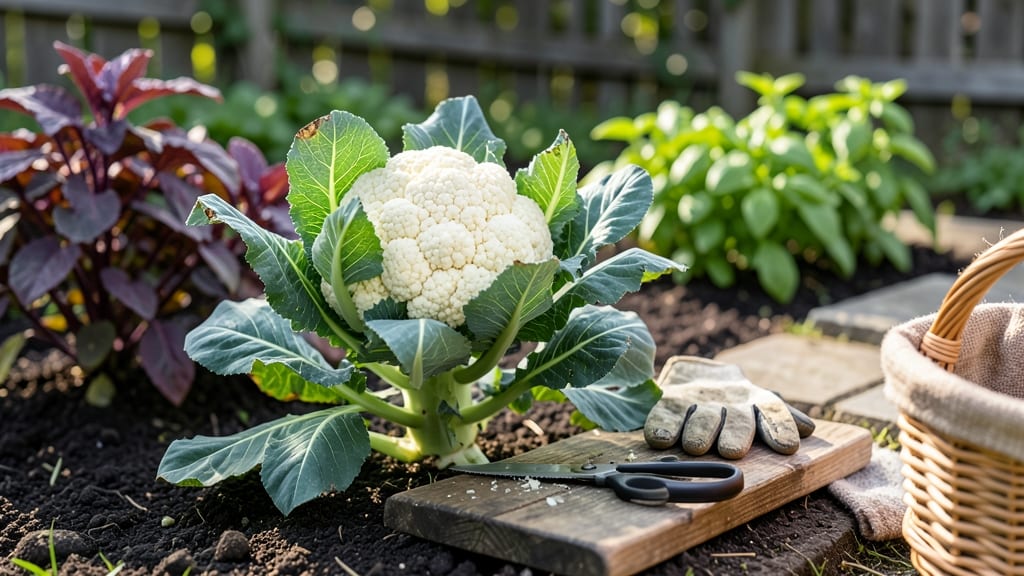
Harvesting cauliflower at the right time ensures you get a tight, creamy head that’s perfect for the table — and skipping this step means ending up with a loose, bitter mess.
Cauliflower lovers know the frustration of harvesting a loose, yellowing head instead of a perfect, tight curd—here’s how to nail the timing and technique every time. The difference between a flawless harvest and a wasted plant often comes down to just a few days.
You’ll learn how to spot the ideal moment when the head is firm, compact, and still wrapped in green leaves, plus the best way to cut it without damaging the plant. Avoid common mistakes like waiting too long or using the wrong tools, and keep your harvest fresh for weeks.
From checking the head size to storing your bounty, this guide covers everything you need to turn your garden into a cauliflower goldmine—no more sad, overripe heads!
When to harvest cauliflower: signs of perfect ripeness
Harvesting cauliflower at the right moment transforms your garden effort into a creamy, tight curd instead of a loose, bitter disappointment. The key lies in watching for visual and physical cues that signal peak ripeness. Unlike many vegetables, cauliflower doesn't ripen after picking, so timing is everything.
First, focus on the head size—ideal cauliflower should measure between 6 to 8 inches in diameter. Smaller heads (4 inches or less) often lack flavor, while oversized ones become woody and tough.
I always check the head's firmness by gently pressing it; it should feel dense and solid like a tightly packed ball.
Color consistency is another critical clue. White cauliflower should maintain a pure, creamy hue without yellowing, while purple varieties should stay deep and vibrant. Any discoloration signals overmaturity or stress. I also inspect the outer leaves—they should remain lush and green, not yellowing or dying back.
Leaf overlap plays a surprising role too. Healthy cauliflower heads are tightly wrapped by their leaves, creating a snug blanket that protects the curd. If you see gaps or the leaves pulling away, the head is likely ready for harvest. This overlap also prevents sunlight from turning the curd yellow or bitter.
| Indicator | Ready for Harvest | Not Ready |
|---|---|---|
| Head Size | 6-8 inches diameter | <4 inches or >10 inches |
| Color | Uniform, vibrant (white/purple/green) | Yellowing or patchy |
| Leaf Condition | Lush green, tightly wrapped | Yellowing or dying back |
| Texture | Firm, dense when pressed | Soft or spongy |
| Stem Test | Snaps cleanly when twisted | Resists or breaks unevenly |
Environmental cues also matter. Harvest on cool, cloudy days to prevent stress on the plant. I've learned that picking during late afternoon helps the head recover better overnight. Avoid harvesting when temperatures exceed 85°F (29°C), as this can cause the curd to become loose and bitter.
One trick I use is the bud check. Look closely at the head's surface—if you see tiny buds beginning to open, it's time to harvest. These buds will turn into florets, making the curd less desirable.
I always carry a small magnifying glass to inspect heads thoroughly, especially with purple varieties where buds are harder to spot.
Don't ignore the stem's condition either. A ready-to-harvest cauliflower will have a stem that snaps cleanly when you gently twist it. If the stem resists or breaks unevenly, the head needs more time. This test saves me from cutting into underripe heads that lack flavor.
I also check for pests or damage—any signs of caterpillars or aphids mean the head should be harvested immediately, even if slightly small.
Seasonal timing varies by variety. Early varieties like 'Snowball Y' mature in 55-65 days, while late varieties like 'Romanesco' take 90-100 days. I plant succession crops every 2-3 weeks in spring and fall to ensure a continuous harvest.
This staggered approach prevents me from dealing with all heads maturing at once.
Finally, trust your tactile sense. The perfect cauliflower head has a smooth, almost velvety texture when touched. If it feels rough or grainy, it's past its prime. I always harvest a few test heads to taste-test—they should be mild and slightly sweet, not bitter or fibrous.
This sensory check is my final quality control before full harvest.
Mastering these signs ensures you'll always bring in firm, flavorful cauliflower from your garden. The satisfaction of biting into a perfectly timed head makes all the effort worthwhile—especially when you avoid the disappointment of a loose, yellowing curd! 🥬
Step-by-step cauliflower harvesting guide for beginners
Harvesting cauliflower at the right time transforms your garden into a treasure trove of creamy, flavorful heads. The key is acting quickly once you spot those tight, compact curds—wait too long, and you’ll end up with a loose, bitter mess.
I’ve learned the hard way that even a day too late can ruin your harvest, so let’s dive into the exact steps to get it right every time.
Before you grab your sharp knife or shears, check for these readiness signs: a head between 6-8 inches wide, vibrant color (white, purple, or green), and leaves that still look healthy.
The stem should also snap cleanly when twisted gently. If you see yellowing leaves or buds starting to open, it’s past prime time—your cauliflower will taste tough and woody.
How to Harvest Cauliflower
- 1 Gather your tools: A sharp knife or pruning shears (sterilized with rubbing alcohol), gardening gloves, and a bucket of cool water to rinse your harvest.
- 2 Cut the head: Hold the plant firmly and make a clean cut 1-2 inches below the head at a 45-degree angle. Avoid tearing leaves—this protects the plant for potential side shoots.
- 3 Handle with care: Place the head in your cool water bucket immediately to stop ethylene gas buildup, which causes premature yellowing. Rinse gently to remove dirt but don’t soak—this can dilute nutrients.
- 4 Inspect the plant: Check for new side shoots forming near the base. If they’re 1-2 inches tall, cover them with loose soil or mulch to blanch and encourage another harvest in 2-3 weeks.
- 5 Store properly: For short-term freshness (3-5 days), wrap the head in a damp paper towel and store in the crisper drawer of your fridge. For longer storage (up to 2 weeks), trim leaves, place in a plastic bag with a paper towel, and refrigerate.
Pro Tip: Harvest in the morning when temperatures are coolest to preserve freshness and flavor.
After harvesting, don’t toss the plant just yet! Cauliflower often produces secondary heads if you care for it properly. Remove any yellow leaves and keep the soil moist but not soggy.
Within a few weeks, you might spot new side shoots—just repeat the blanch-and-harvest process for a second round of delicious curds.
If you’re storing your cauliflower for later, avoid washing until you’re ready to use it. Excess moisture speeds up spoilage, so pat dry thoroughly if you rinse. For freezing, blanch whole heads for 3 minutes in boiling water, then shock in ice water before storing in airtight bags.
This preserves texture and color for up to 12 months in your freezer.
Remember, the sooner you harvest after spotting a ready head, the sweeter and tighter it’ll be. And if your first attempt isn’t perfect? Don’t worry—even experienced gardeners sometimes miss the window.
The good news is cauliflower is forgiving, and with practice, you’ll master the art of harvesting plump, restaurant-quality heads every time. Happy harvesting! 🥬