
Flowers
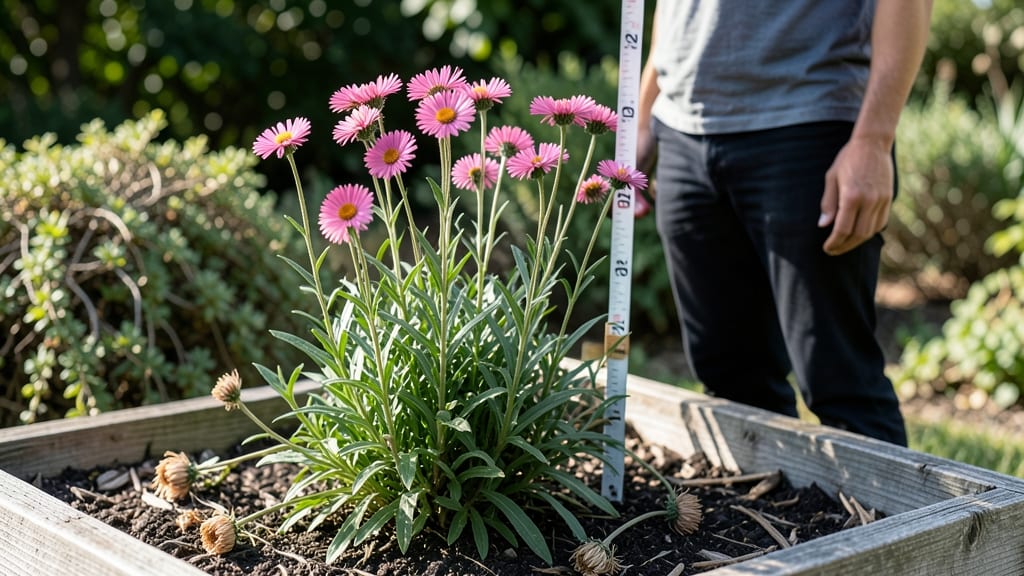
Strawflowers grow between 1 and 4 feet tall, depending on the variety and growing conditions you provide.
Picture this: you’ve just planted your 🌼 strawflowers in April, dreaming of vibrant blooms for summer bouquets. But by July, you’re wondering why some plants are barely knee-high while others tower over your garden fence. The answer lies in the variety you chose and how you care for them.
Dwarf types like 'Mojave' stay compact at 1 to 2 feet, perfect for borders or containers, while standard varieties like 'Limelight' can reach 3 to 4 feet—ideal for cut flowers or back-of-the-border drama.
Sunlight, soil, and even a little pruning can tweak their height, so let’s break down what influences their growth.
In this guide, you’ll discover how to plan your garden layout for each type, control their height naturally, and keep them blooming at their best—no guesswork required.

Strawflower height by variety: a complete size guide
Strawflowers (Helichrysum bracteatum) are stunning annuals known for their papery, everlasting blooms that last long after cutting. But their height varies dramatically by variety—some stay compact at 12 inches, while others tower to 4 feet.
Choosing the right type ensures your garden design flows beautifully while avoiding overcrowding or wasted space.
Understanding each variety’s mature height helps with proper spacing and support needs. For example, dwarf varieties thrive in containers or borders, while tall types make perfect backdrops. Let’s break down the most popular strawflower varieties and their ideal growing conditions to help you plan your dream garden layout.
| Variety | Mature Height | Spacing | Growth Habit | Best For |
|---|---|---|---|---|
| 'Dwarf' Series | 12–18 inches | 8–12 inches apart | Compact, bushy | Containers, borders, window boxes |
| 'Mojave' Series | 18–24 inches | 12–18 inches apart | Upright, slightly spreading | Cut flowers, mixed borders |
| 'Limelight' | 24–30 inches | 18–24 inches apart | Tall, sturdy stems | Back of beds, bouquets |
| 'Ruby Wedding' | 30–36 inches | 24–30 inches apart | Strong, upright | Dry arrangements, tall gardens |
| 'Moonwalk' | 18–24 inches | 12–18 inches apart | Bushy, rounded | Mass plantings, containers |
| 'Olympia' | 36–48 inches | 30–36 inches apart | Very tall, sturdy | Cut flowers, large gardens |
The 'Dwarf' series is perfect for small spaces, while 'Olympia' reaches nearly 4 feet, making it ideal for dry floral arrangements.
Always check seed packets for exact heights, as some nurseries may list slightly different ranges. Spacing recommendations ensure airflow and prevent disease, so follow them closely for healthy plants.
For container gardening, choose dwarf or semi-dwarf varieties like 'Moonwalk' or 'Mojave'. A 5-gallon pot works well for 1–2 plants, while larger containers can accommodate taller types. Use well-draining soil and place containers in full sun for optimal growth.
Taller varieties like 'Ruby Wedding' or 'Limelight' benefit from staking or support to prevent flopping, especially in windy areas. Plant them near trellises or fences to create vertical interest. Their upright growth habit makes them perfect for backdrop planting in mixed borders.
If you’re growing strawflowers for cut flowers, taller varieties like 'Olympia' or 'Ruby Wedding' provide longer stems and better vase life. Harvest blooms when fully open but before they fade—this ensures they last 2–3 weeks in arrangements.
Always cut stems at an angle and place them in cool water immediately.
Soil quality also impacts height—poor soil can stunt growth, while rich, well-draining soil encourages fuller, taller plants. Amend heavy clay with compost or sand to improve drainage. Strawflowers are drought-tolerant once established, but consistent watering during the first 4–6 weeks helps them reach their full potential height.
For year-round interest, pair tall strawflowers with shorter perennials like lavender or ornamental grasses. This creates a layered look while keeping the garden dynamic. Whether you’re designing a cutting garden or a pollinator-friendly border, strawflowers add color and texture with minimal fuss.
Pro tip: Pinch back young plants to encourage bushier growth and more blooms. This works best for dwarf and semi-dwarf varieties and can reduce height by 10–20% if done early. Just remove the top set of leaves when plants are 6–8 inches tall.
Now that you know the height ranges and growing habits of popular strawflower varieties, you’re ready to design a garden that’s both functional and stunning. Whether you’re a beginner or season
How to control strawflower height for compact gardens
If your garden space is limited but you still want those stunning strawflower blooms, don't worry—height control is easier than you think! With the right techniques, you can keep your Helichrysum bracteatum compact while maximizing those long-lasting flowers.
Whether you're working with dwarf varieties or taller types, these methods will help you manage their growth without sacrificing beauty.
One of the simplest ways to control height is through pruning techniques. Regular trimming encourages bushier growth and prevents leggy stems. Start by pinching back the tips of young plants when they reach about 6 inches tall.
This redirects energy to lateral shoots, creating a fuller, shorter plant. For established plants, cut back one-third of the stems after flowering to promote new growth for next season.
Step-by-Step Guide to Managing Strawflower Height
- 1 Choose the right variety for your space. Dwarf types like 'Little Princess' stay under 18 inches, while 'Mojave' reaches 3 feet. Select based on your garden's height constraints.
- 2 Use staking methods for taller varieties. Insert bamboo stakes or tomato cages at planting time to support stems. Tie stems loosely with soft garden twine to prevent breakage while keeping plants upright.
- 3 Plant in containers to limit root spread. Choose pots that are 12-18 inches deep for dwarf varieties and 18-24 inches for taller types. Use well-draining potting mix with added perlite to prevent overgrowth.
- 4 Apply light pruning during the growing season. Trim back 1-2 inches from the top of stems when they exceed your desired height. This encourages branching and keeps plants compact and bushy.
- 5 Fertilize sparingly to avoid excessive growth. Use a balanced fertilizer (5-10-10) every 4-6 weeks during the growing season. Over-fertilizing can lead to tall, leggy plants with fewer blooms.
For container gardening, select pots that match your strawflowers' mature height. A 12-inch pot works well for dwarf varieties, while taller types need 20-inch containers to support their root systems. Ensure pots have drainage holes to prevent root rot, which can weaken plants and lead to floppy growth.
Another trick is to pinch back new growth regularly. When your strawflowers start to shoot up too quickly, snip off the top 1-2 inches of the main stems. This forces the plant to produce more side shoots, resulting in a fuller, shorter plant with plenty of blooms.
I’ve found this works especially well for 'Ruby Wedding' varieties, which can otherwise get quite tall.
Remember, sunlight exposure also plays a role in height control. While strawflowers thrive in full sun, too much intense sunlight can cause rapid growth. If your garden gets intense afternoon sun, consider providing some afternoon shade to slow vertical growth while maintaining vibrant blooms.