
How To
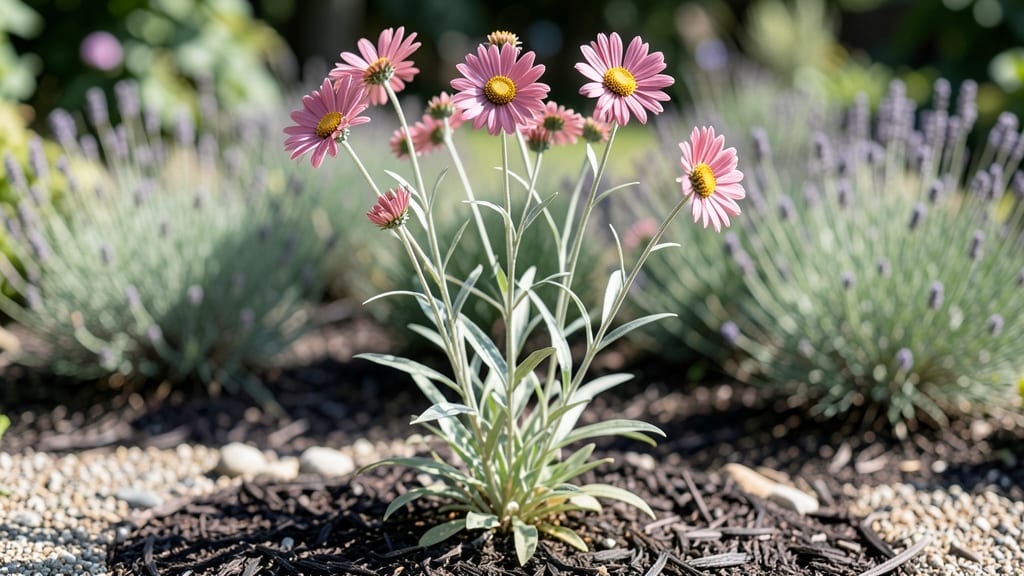
Strawflowers grow between 1 and 3 feet tall, making them a flexible choice for gardens of all sizes 🌼 — but their height can vary wildly depending on the variety and growing conditions.
Picture this: a compact 12-inch strawflower spilling over a container’s edge, or a 4-foot tower of papery blooms anchoring a summer border. That’s the beauty of this plant—it adapts effortlessly to your space, whether you’re working with a tiny balcony or a sprawling landscape.
If you’re wondering how to keep your strawflowers from outgrowing their welcome, the answer lies in variety selection and a few simple tricks. Dwarf types stay neatly contained, while standard varieties can reach impressive heights with the right care.
Below, I’ll break down the factors that influence their growth and how to manage them for your perfect garden look.
You’ll also discover the best spacing for each type, pruning tips to control height, and which varieties thrive in tight spots versus open fields. By the end, you’ll know exactly how to plan your strawflower display—no surprises, just stunning results.

Strawflower height range: compact varieties vs giant types explained
If you’ve ever wondered how tall strawflowers grow, the answer depends entirely on the variety you choose. These drought-loving beauties (Helichrysum bracteatum) offer a stunning range—from tiny 6-inch border plants to towering 5-foot giants.
The difference isn’t just about aesthetics; it impacts everything from planting spacing to container choices and even cut-flower arrangements.
Most gardeners assume strawflowers stay small, but the truth is far more exciting. Dwarf varieties like 'Little Dorothy' max out at just 8-12 inches, perfect for edging or fairy gardens, while tall cultivars such as 'Moulin Rouge' can reach 4-5 feet—ideal for back-of-border drama.
Even within the same variety, maturity timing plays a role; plants grown in cooler climates may stay shorter than those basking in hot summer sun.
Here’s the game-changer: height isn’t fixed. With proper care—like pruning techniques or soil amendments—you can coax some varieties to grow taller or keep others more compact.
For example, pinching back young stems on a 3-foot variety can encourage bushier growth, while rich, well-draining soil helps giant types reach their full potential.
Let’s break down the height spectrum so you can pick the perfect strawflower for your space, whether that’s a windowsill container or a sunny garden bed. The key is understanding how each category grows and what conditions they thrive in.
| Variety Type | Mature Height | Growth Habit | Best For |
|---|---|---|---|
| Dwarf Varieties | 6–12 inches | Bushy, rounded | Containers, borders, fairy gardens |
| Semi-Dwarf | 12–24 inches | Compact upright | Window boxes, small beds |
| Standard | 24–36 inches | Tall, slender stems | Cut flowers, mid-border height |
| Giant Types | 36–60 inches | Tall, sturdy stems | Backdrop plants, large arrangements |
The dwarf varieties (6–12 inches) are my go-to for small-space gardening. They thrive in 5-gallon containers or along patio edges, where their papery blooms add color without crowding. These types mature quickly—often in 8–10 weeks—making them ideal for seasonal displays that bloom early and last through frost.
On the opposite end, giant strawflowers (3–5 feet) are the dramatic stars of the garden. Their long, sturdy stems hold up well in cut-flower arrangements, lasting 10–14 days in a vase.
These varieties need spacious beds or vertical supports to prevent flopping, especially in humid climates where stems can weaken.
What surprises many gardeners is how maturity timing affects height. For example, a 2-foot variety planted in Zone 5 might only reach 18 inches due to shorter growing seasons, while the same plant in Zone 9 could hit 3 feet.
This is why I always recommend checking your last frost date and adjusting planting times to maximize growth potential.
Another factor? Soil fertility. While strawflowers tolerate poor soil, adding compost or aged manure can boost height by 10–20%. However, over-fertilizing can lead to floppy stems or fewer blooms, so moderation is key.
For compact varieties, I often use slow-release fertilizer to encourage bushiness without excessive height.
If you’re using strawflowers for cut arrangements, aim for taller varieties like 'Monte Carlo' (3–4 feet), which produce long, sturdy stems perfect for bouquets. For dried flowers, any height works—just harvest when blooms are fully open but still dry to the touch.
Hang them upside down in a well-ventilated space for 2–3 weeks of preservation.
Pro tip: Mix heights in your garden for a natural, layered look. Pair dwarf strawflowers (12 inches) with mid-height lavender (18 inches) and tall delphiniums (4 feet) to create depth.
This technique works beautifully in rock gardens or pollinator-friendly borders, where varying heights attract bees and butterflies at different levels.
Remember, height isn’t destiny. With the right care—like regular deadheading or support stakes—you can guide your strawflowers to grow exactly how you want.
Whether you’re a container gardener or a large-scale landscaper, choosing the right variety and giving it the ideal conditions will ensure your strawflowers reach their full potential—without taking over your space.
How to control strawflower height naturally: pruning, spacing, and soil tips
Strawflowers naturally grow between 1 to 3 feet tall, but their height can vary dramatically based on variety selection and growing conditions. If your garden space is limited or you want to create a layered look, you can naturally control their height without harsh chemicals.
The key lies in three main areas: pruning techniques, optimal spacing, and soil management.
For compact growth, focus on regular pruning and well-draining soil. If you're aiming for taller specimens, provide nutrient-rich soil and full sunlight exposure. The good news? These methods work for both container gardens and in-ground plantings, making strawflowers incredibly adaptable to your needs.
- 🌿 Prune early: Trim 1/3 of new growth when plants reach 6 inches tall to encourage bushiness.
- 📏 Space plants 8-12 inches apart for airflow and prevent overcrowding.
- 🪴 Use containers: Plant in 5-7 gallon pots to naturally limit root spread.
- 💧 Water deeply but infrequently to prevent leggy growth.
- 🌞 Provide full sun: 6+ hours daily promotes vertical growth.
- 🌱 Fertilize lightly: Use 5-10-10 NPK every 4-6 weeks in spring/summer.
- 📐 Space plants 18-24 inches apart for taller stems.
- 🌍 Amend soil with compost and perlite for better nutrient uptake.
When it comes to pruning for height control, timing matters. I recommend pinching back young plants when they're about 4-6 inches tall. This encourages branching and bushier growth rather than letting them grow tall and leggy.
For established plants, a light pruning after flowering helps maintain their shape and prevents them from becoming too top-heavy.
Another often-overlooked factor is soil composition. Strawflowers thrive in well-draining, slightly alkaline soil with a pH between 6.0 and 7.5. If your soil is heavy clay, amending it with sand or grit can help suppress excessive height by preventing root stress.
For container growing, use a lightweight potting mix with added perlite to keep roots aerated and growth compact.
Seasonal adjustments also play a crucial role. In spring and early summer, when growth is most vigorous, I focus on regular deadheading to redirect energy into stronger stems rather than excessive flowering.
By late summer, I reduce watering slightly to signal the plant to slow vertical growth and prepare for dormancy. This simple adjustment helps maintain a neater, more manageable height throughout the season.
For a quick height-checklist, remember these three steps: prune early, space properly, and amend your soil. These methods work together to give you the perfect strawflower height for your garden vision, whether you're creating a low border or a dramatic backdrop.
With these techniques, you'll have full control over how tall your strawflowers grow naturally. 🌼