
Flowers
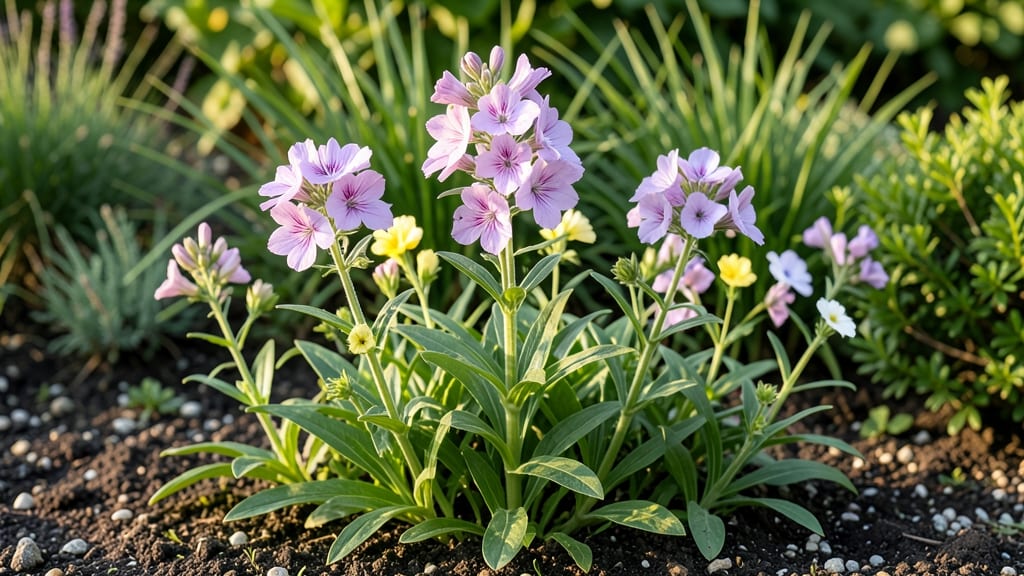
Stock flowers grow between 1 and 3 feet tall, depending on the variety and growing conditions—making them perfect for borders, containers, or cut flower arrangements.
If you’ve ever wondered whether stock flowers will dwarf your garden or dominate it like a wildflower giant, you’re not alone—height varies dramatically between varieties, and choosing the right one can make or break your floral display.
From compact dwarf varieties like 'Baby Gem' (1–2 feet) to towering giants like 'Giant Pink' (3–5 feet), these fragrant blooms adapt to almost any space with the right care.
In this guide, I’ll break down height ranges by variety, share tips to control growth, and help you pick the perfect stock flowers for your garden’s layout.

Stock flower height guide: dwarf to giant varieties explained
Stock flowers (Matthiola incana) are one of the most versatile annuals for gardeners, offering fragrant blooms in nearly every color—from crisp whites to deep purples. But here’s the catch: their height can swing wildly, from tiny 12-inch gems to towering 5-foot giants.
Choosing the right variety isn’t just about aesthetics; it’s about garden layout, sunlight access, and even pollinator attraction. Let’s break down the height spectrum so you can plan your floral masterpiece with confidence.
Before we dive into varieties, it’s crucial to understand that stock flower height depends on three key factors: the specific cultivar, growing conditions (like sunlight and soil quality), and whether you’re growing them in containers or garden beds.
For example, the same 'Giant Pink' stock planted in a nutrient-rich bed might reach 5 feet tall, while the same variety in a small pot could max out at 3 feet. This flexibility makes them perfect for everything from window boxes to backyard borders.
🌸 Height Matters for Garden Planning:
- Dwarf varieties (1–2 ft) work perfectly for container gardens or front-of-border displays.
- Medium-height (2–3 ft) stocks are ideal for mixed flower beds or cutting gardens.
- Tall varieties (3–5 ft) can serve as backdrop plants or privacy screens in small spaces.
| Variety | Height Range | Best For | Notes |
|---|---|---|---|
| 'Baby Gem' | 12–24 inches | Containers, window boxes | Dwarf, fragrant, great for cut flowers |
| 'Rainbow Delight' | 18–30 inches | Border edges, pollinator gardens | Compact, multi-colored blooms |
| 'Giant Pink' | 36–60 inches | Backdrop, privacy screens | Tallest variety, needs staking |
| 'Terlingua Series' | 24–36 inches | Cutting gardens, bouquets | Heat-tolerant, long stems |
| 'Dwarf Blue' | 12–18 inches | Rock gardens, fairy gardens | Slow-growing, perfect for small spaces |
If you’re planning a layered garden design, start with tallest varieties at the back and work your way forward to dwarf stocks.
For example, place 'Giant Pink' stocks (3–5 ft) against a fence or wall, then add 'Rainbow Delight' (1.5–2.5 ft) in the middle, and finish with 'Baby Gem' (1–2 ft) at the front. This creates a visual staircase that draws the eye and maximizes your garden’s depth.
For container gardening, choose dwarf or semi-dwarf varieties like 'Baby Gem' or 'Dwarf Blue' to avoid overcrowding. A 5-gallon pot can comfortably hold 3–5 dwarf stock plants, while a 10-gallon container can accommodate 5–7 medium-height varieties like 'Terlingua'.
Always ensure your container has drainage holes and use a well-draining potting mix to prevent root rot, which can stunt growth.
One common mistake gardeners make is overcrowding stock flowers, which leads to stunted growth and fewer blooms. As a rule of thumb, space dwarf varieties 6–8 inches apart, medium-height stocks 12–18 inches apart, and tall varieties 18–24 inches apart.
This spacing ensures adequate airflow, reducing the risk of powdery mildew and promoting taller, healthier stems.
Did you know that pruning can influence height? Pinching back the top sets of leaves when plants are 6–8 inches tall encourages bushier growth and shorter stature. This technique is especially useful for tall varieties like 'Giant Pink' if you’re worried about them flopping over.
Simply snip off the top 1–2 inches with clean bypass pruners, and your stock will branch out instead of shooting upward.
Sunlight is another height game-changer. Stock flowers thrive in full sun (6+ hours daily), but they’ll grow taller and leggier if deprived of light. If you’re growing them in partial shade, expect heights to
How to control stock flower height for compact gardens
Stock flowers (Matthiola incana) can grow from delicate 1-foot dwarfs to towering 5-foot giants, making height control essential for small gardens. The key to managing their stature lies in understanding their growth habits and applying simple techniques early in their development.
Whether you're working with container gardening or limited garden beds, these methods will help you keep your stock flowers at your desired height without sacrificing their stunning blooms.
One of the first steps is selecting the right variety for your space. Dwarf varieties like 'Baby Gem' typically max out at 12-18 inches, while standard types can reach 3-4 feet. If you already have taller varieties planted, don't worry—there are still ways to manage their height effectively.
The secret often lies in a combination of pruning, support structures, and strategic planting techniques.
For tall varieties that need height control, pruning is your best friend. Pinch back the top growth when plants are about 6 inches tall to encourage bushier growth. This technique not only reduces height but also promotes more flower production.
Repeat pruning every 4-6 weeks throughout the growing season to maintain your desired height. Just be sure to prune in the morning to allow wounds to heal during the day.
Support structures are another game-changer for managing stock flower height. Use bamboo stakes or small trellises to guide tall varieties upward rather than letting them sprawl. This method works especially well for varieties like 'Melody', which can grow 3-4 feet tall but can be trained to climb.
Simply tie the main stems to the support as they grow—this not only controls height but also creates a stunning vertical display in your garden.
If you're working with container gardening, choose compact varieties and use dwarfing techniques like regular pruning and root restriction. Smaller pots limit root growth, which naturally stunts plant height.
Pair this with a balanced fertilizer (like 5-10-10) applied every 4-6 weeks to encourage dense, bushy growth rather than tall, leggy stems. Remember, containers dry out faster, so monitor soil moisture closely to prevent stress that could affect growth patterns.
Finally, proper plant spacing can work wonders for height control. Crowding plants forces them to compete for resources, resulting in shorter, stockier growth. For tall varieties, space plants 12-18 inches apart, while dwarf types can be planted 6-8 inches apart.
This spacing also improves air circulation, reducing the risk of fungal diseases that can weaken plants and affect their growth habits.
With these techniques, you can transform even the tallest stock flowers into manageable, beautiful additions to your compact garden. The key is consistency—regular pruning, proper support, and smart spacing will keep your plants at your desired height while ensuring a bounty of fragrant blooms all season long. Happy gardening! 🌸