
Size
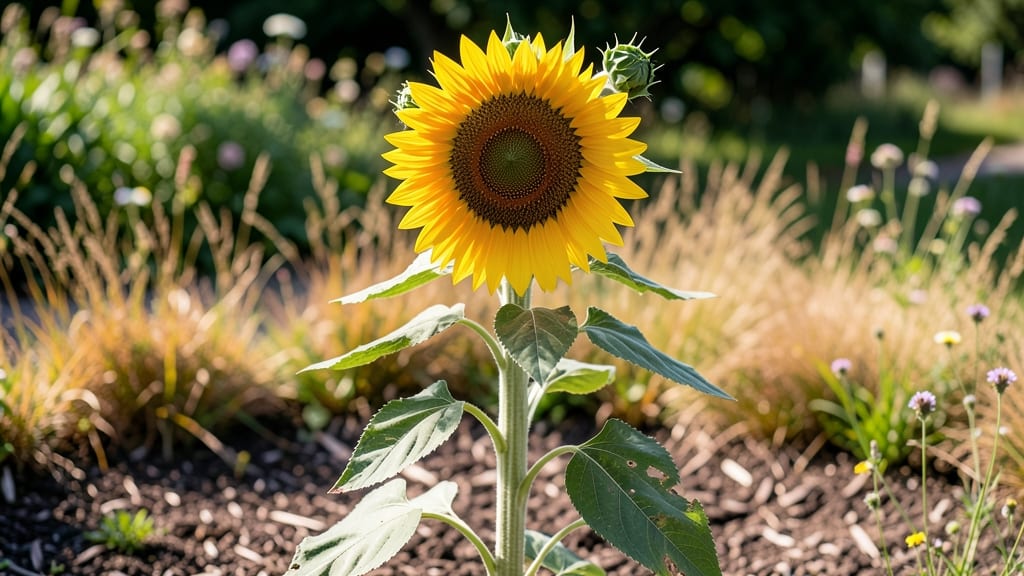
How tall do mammoth sunflowers get? These towering giants can grow taller than your two-story house, reaching heights of 12 to 16 feet when given the right conditions—so if you’re planning your garden layout, knowing their mature size is key.
Imagine this: your backyard transformed into a golden sunflower forest, each towering bloom reaching higher than your porch roof. But before you sketch that dream into reality, you’ll need to account for their massive stature—especially if you’re working with limited space or shared garden beds.
Not all Mammoth varieties hit the same peak, though. Some stay closer to 8 feet in their first year, while others stretch toward 16 feet by their third season. Soil quality, sunlight exposure, and even your local climate play a huge role in how tall they’ll grow.
In this guide, I’ll break down the height ranges by variety, share spacing tips to avoid overcrowding, and reveal the simple tricks to keep those giants standing tall—no flopping or leaning required.

Mammoth sunflower height chart: variety-specific growth expectations
If you’re planning a showstopping sunflower display, knowing the mature height of Mammoth varieties is essential. These giants can reach heights that rival small trees, but not all varieties grow the same—some top 14 feet while others stay closer to 10 feet.
Understanding these differences helps you choose the perfect variety for your garden space, whether it’s a backyard oasis or a container garden on a patio.
Mammoth sunflowers aren’t just tall—they’re dramatic. Their rapid growth rate means they can shoot up 2-3 feet per week under ideal conditions. However, their final height depends on factors like soil quality, sunlight exposure, and even your local climate.
Southern gardens often see slightly taller plants, while cooler northern regions may yield slightly shorter but equally stunning specimens.
Below is a variety-specific height chart to help you visualize what to expect. Whether you’re dreaming of a 16-foot giant or a slightly smaller 10-foot beauty, this guide ensures you’ll know exactly how much space to allocate—and how to support these towering plants for maximum impact.
The Mammoth Russian variety is a crowd-pleaser, often reaching 14–16 feet in ideal conditions. This variety is perfect for gardeners with open spaces or those who want to create a wow factor with minimal effort.
Its rapid growth means you’ll see dramatic changes in just a few weeks, making it a favorite for photogenic gardens.
Autumn Beauty, while slightly shorter at 10–14 feet, offers a longer blooming season, with flowers that transition from yellow to rusty red. This variety is ideal for gardeners with limited space or those who prefer a multi-season display. Its slightly slower growth rate also makes it easier to manage in container gardens with proper support.
If you’re aiming for the absolute tallest sunflowers possible, Russian Giant is your best bet. These giants can exceed 16 feet and are best suited for large backyards or community gardens.
However, their height requires sturdy staking or planting near fences for support, as they can easily flop over in windy conditions.
For gardeners who love cut flowers, the Mammoth Single variety is a top pick. Its 10–12 foot height makes it easy to harvest without needing a ladder, and its single blooms are perfect for long-lasting arrangements.
This variety also tends to have longer vase life compared to double-flowered types.
Choosing the right variety isn’t just about height—it’s also about garden compatibility. Tall varieties like Russian Giant need 3–4 feet of space around them to prevent overcrowding, while shorter types like Autumn Beauty can thrive in tighter spaces with proper care.
Always check your local frost dates too, as Mammoth sunflowers need a long, warm growing season to reach their full potential.
Pro tip: If you’re growing Mammoth sunflowers in containers, opt for larger pots (20+ gallons) and use a support cage or trellis. Container-grown sunflowers may not reach their full height, but they can still hit 8–10 feet with the right care.
Just be prepared for more frequent watering and fertilizing to compensate for the limited root space.
No matter which variety you choose, remember that healthy soil and full sun are the keys to maximizing height. Amend your soil with
How to plan your garden space for Mammoth sunflowers
Mammoth sunflowers can reach 12 to 16 feet tall, making them a stunning but space-demanding addition to any garden. Their towering presence requires thoughtful planning to ensure they thrive without crowding other plants or toppling over.
I’ve learned from experience that proper spacing and support are just as important as soil quality and sunlight for these giants.
Before planting, consider your garden layout. These sunflowers need at least 2 feet of space between each plant to prevent competition for nutrients and sunlight. In smaller spaces, like containers or raised beds, you’ll need to choose dwarf varieties or be prepared for creative staking solutions.
I’ve even seen gardeners plant them near fences or trellises to guide their growth upward.
- Soil Depth: Amend soil with 3-4 inches of compost to ensure deep root penetration. Mammoth sunflowers need rich, well-draining soil to support their height.
- Sunlight Needs: Provide 6-8 hours of full sun daily. Partial shade can stunt growth, so choose the sunniest spot in your garden.
- Spacing: Plant seeds 1 inch deep and 18-24 inches apart in rows spaced 2-3 feet apart to allow airflow and prevent disease.
- Support Structures: Install stakes or cages at planting time. Use 3-4 foot tall stakes and tie stems loosely with soft fabric to avoid damaging the plant.
- Watering: Water deeply 2-3 times per week, especially during dry spells. Keep soil consistently moist but not waterlogged to encourage strong stem development.
For container gardening, opt for large pots (at least 12 inches deep) with drainage holes. I’ve successfully grown Mammoth sunflowers in 5-gallon containers by using a balanced fertilizer every 4-6 weeks and providing extra support.
However, container-grown plants may not reach their full height potential compared to those in the ground.
Another key factor is wind exposure. Tall sunflowers can be top-heavy and prone to flopping in breezy conditions. If your garden is windy, consider planting them near a windbreak like a fence or hedge or using multiple stakes for extra support.
I’ve also seen gardeners use bamboo stakes or tomato cages for added stability.
Finally, don’t forget to rotate your crops if you plan to grow Mammoth sunflowers year after year. They are heavy feeders and can deplete soil nutrients. After harvesting, add a layer of compost or well-rotted manure to replenish the soil for next season’s plants.
With the right planning, your Mammoth sunflowers will reward you with breathtaking height and beauty.