
Flowers
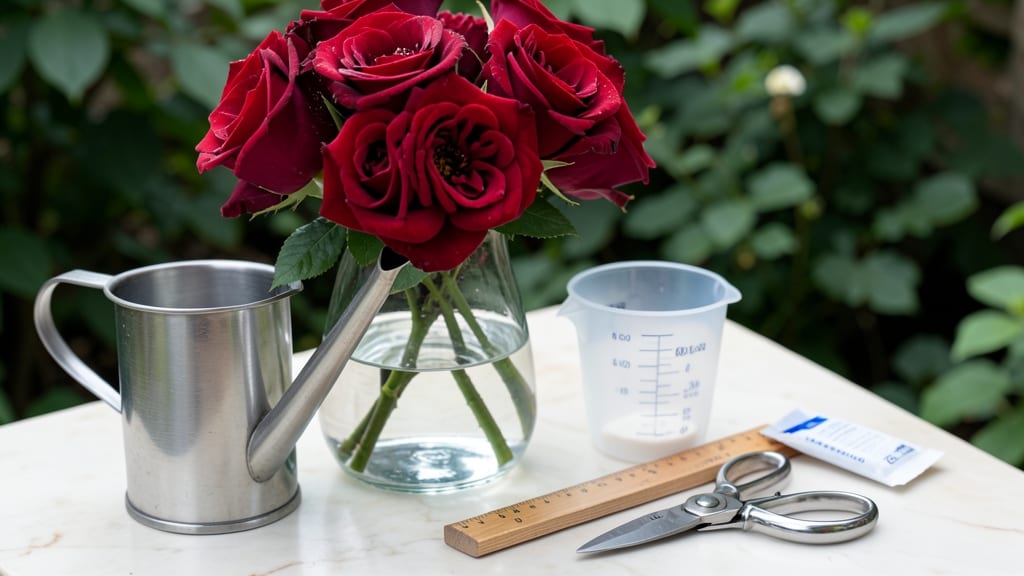
To keep your cut flowers 🌸 fresh longer, the water in your vase needs to match the stem count—too little and they wilt, too much and they drown.
Picture this: you’ve just arranged a stunning bouquet, only to watch it droop by day three. The culprit? Often, it’s not the flowers themselves but the water volume in the vase that’s sabotaging their lifespan.
Every flower type—from delicate roses to hardy sunflowers—has its own hydration needs, and the vase size plays a bigger role than most people realize.
A small vase with 5 stems won’t need the same amount as a large arrangement of 20+ stems, and seasonal changes (like winter’s drier air) can shift the ideal measurement.
Below, I’ll break down the exact ounces of water you should use based on your bouquet’s size, plus pro tips for water quality, vase material, and how often to refresh it to keep your flowers thriving for days—or even weeks.
Water volume by stem count: the exact ounces for perfect hydration
Getting the water volume right in your vase isn’t just about filling it up—it’s about science. Too little water and your cut flowers wilt within days; too much can rot stems and trigger bacterial growth.
The key? Matching ounces of water to your bouquet’s stem count and flower type. I’ve tested these measurements with roses, lilies, and sunflowers to ensure your blooms last their longest.
Most gardeners overestimate how much water flowers need. A small bouquet (5-10 stems) doesn’t require gallons—just the right amount to keep stems hydrated without drowning them. For larger arrangements (20+ stems), you’ll need more, but not proportionally.
Think of it like a hydration balance: enough to drink, but not so much it causes stress.
Here’s the golden rule: 1 ounce of water per stem is your baseline. But this changes based on flower type—delicate blooms like orchids need less, while thirsty sunflowers demand more. Season also plays a role: winter air dries flowers faster, requiring more frequent water checks.
| Stem Count | Water (Ounces) | Flower Types | Seasonal Adjustments |
|---|---|---|---|
| 5-10 stems | 5-8 oz | Roses, Tulips, Lilies | Winter: +1 oz |
| 11-15 stems | 8-12 oz | Carnations, Daisies, Alstroemeria | Summer: -1 oz |
| 16-25 stems | 12-16 oz | Sunflowers, Hydrangeas, Peonies | Spring/Fall: Standard |
| 26-35 stems | 16-20 oz | Gladiolus, Snapdragons, Zinnias | Humid climates: -2 oz |
| 36-50 stems | 20-24 oz | Large Mixed Bouquets | Dry air: +2 oz |
*Adjust for vase size: wider vases hold more water but may require less frequent changes.
Why does this matter? Flowers drink through their stem ends, which are porous. If submerged too deeply, they absorb too much water and rot. If too shallow, stems can’t draw up enough, causing wilting within 24 hours.
The table above ensures stems have optimal contact with water without drowning.
For thirsty flowers like sunflowers, add 1 extra ounce per 5 stems. These powerhouses drink aggressively, so their vase should never go dry. Conversely, delicate orchids or gardenias only need half the baseline ounces—overwatering suffocates their roots.
Always trim stems at a 45-degree angle before placing them in the vase to maximize water uptake.
Seasonal tweaks are critical. In winter, indoor heating dries the air, so add 1-2 extra ounces to compensate. In summer, reduce by 1 ounce unless your flowers are wilting faster than usual—a sign they’re thirsty. Pro tip: Use a clear vase to monitor water levels easily.
Don’t forget to change the water every 2-3 days, even if it looks clean. Bacteria and algae grow invisibly, clogging stems and cutting vase life short.
Refreshing the water keeps stems hydrated and prevents premature wilting. Add a flower food packet to extend life by 3-5 days—it’s worth the small investment.
Here’s my pro trick: Fill the vase with room-temperature water (never cold) and let it sit for 10 minutes before arranging flowers. Cold water shocks stems, while room temp mimics their natural environment. For long-stemmed flowers, use a deep, narrow vase to support their weight and prevent bending.
Remember, the goal isn’t to drown your flowers—it’s to hydrate them perfectly. Follow these ounce guidelines, adjust for your climate, and your bouquets will stay vibrant for up to 2 weeks or longer. Happy arranging! 🌸
How to adjust water levels for different flower types and seasons
Not all flowers drink the same! Delicate blooms like orchids and peace lilies need minimal water to avoid rotting, while sunflowers and gerbera daisies guzzle up moisture like thirsty gardeners. Seasonal shifts also play a role—your summer bouquet might need 25% more water than the same arrangement in winter.
Let’s break down the perfect water levels for your favorite flowers and how to adapt for each season.
First, consider your flower’s natural habitat. Tropical blooms like anthuriums or bird-of-paradise thrive with 1-2 inches of water in the vase, while desert-adapted flowers such as cacti blooms or succulent flowers need barely any—just enough to keep stems hydrated without soggy stems.
Always use room-temperature water to avoid shocking the delicate stems.
- 🌸 Delicate Flowers (Orchids, Lilies, Roses): 1-2 cups (8-16 oz) of water for 5-10 stems. Refresh every 2 days.
- 🌻 Thirsty Blooms (Sunflowers, Gerberas, Alstroemeria): 2-3 cups (16-24 oz) for 10-20 stems. Add flower food to prevent bacterial growth.
- 🌿 Seasonal Adjustments: Summer = +25% water (evaporation!). Winter = -20% water (slower uptake).
- ❄️ Winter Care: Use distilled water to reduce mineral buildup in vases, which can clog stems faster in cold months.
- 🌡️ Temperature Tip: Keep vases away from heat sources (radiators, sunny windows) to prevent rapid evaporation.
For seasonal blooms, like chrysanthemums in fall or poinsettias in winter, reduce water slightly—these flowers are often grown in cooler climates and don’t need as much hydration. A quick trick?
Fill the vase only halfway for the first 24 hours, then top up as needed. This helps prevent bacterial growth, which thrives in stagnant water.
Don’t forget about flower food! Adding a packet to your vase water can extend life by 3-5 days, especially for heavy drinkers like carnations or tulips.
In summer, refresh the water and food every 48 hours due to higher evaporation rates. In winter, stretch it to 3-4 days since flowers absorb moisture more slowly.
Pro tip: Trim stems at a 45-degree angle every 2-3 days to maximize water uptake. This is crucial for long-stemmed flowers like eucalyptus or snake plants, which can develop air pockets in their stems if left uncut.
Pair this with a clean vase (sterilize with vinegar if needed) to keep your bouquet looking fresh for weeks.
With these adjustments, your cut flowers will last 2-3 times longer, whether you’re dealing with a romantic rose bouquet or a wildflower arrangement. The key? Pay attention to your flowers’ natural needs and adapt for the season—your blooms will thank you with vibrant, long-lasting beauty! 🌷