
Flowers
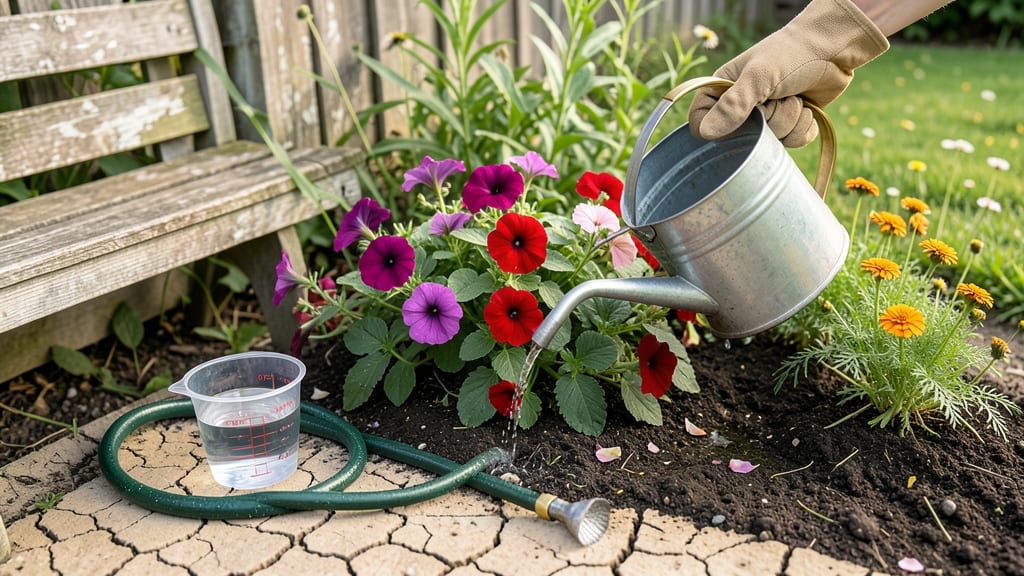
How much water do flowers need depends on their type, soil, and season—too much or too little can mean the difference between vibrant blooms and wilted stems.
Here’s the kicker: most gardeners overwater by default, thinking more is always better, when in fact drought-tolerant lavender and thirsty petunias have wildly different needs. Guessing wrong can kill your plants faster than pests or disease.
In this guide, I’ll break down the science of watering by flower type, from deep-soaking annuals to moisture-loving perennials, plus how to spot the subtle signs of thirst or drowning. You’ll also discover tools like moisture meters and drip systems that save time—and water—while keeping your garden thriving.
Ready to stop guessing? Let’s dive into the exact schedule your flowers crave, tailored to your climate and soil, so you can enjoy blooms all season long.
Science-backed watering needs by flower type (with exact intervals)
Watering flowers isn't a one-size-fits-all task—each type has unique hydration needs based on root depth, leaf structure, and climate conditions. Tropical hibiscus, for example, demand daily watering in summer, while lavender thrives on weekly deep soakings.
Understanding these differences prevents root rot or wilting while maximizing blooms. Let's break down the science so you water with precision, not guesswork.
Most gardeners overestimate how often flowers need water, leading to wasted resources and stressed plants. The key lies in soil moisture testing—stick your finger 2 inches deep. If it's dry, water; if damp, wait.
Pair this with knowing your flower's category (annuals vs. perennials) and sun exposure, which directly impacts evaporation rates. For instance, sun-loving roses dry out faster than shade-tolerant impatiens.
Annual flowers like petunias and geraniums have shallow roots, so they need frequent, light watering—think every 1-2 days in summer. Aim for 1-2 inches of water per week, but adjust based on rainfall.
Use a rain gauge to track accumulation; many gardeners overlook how much nature contributes. For containers, check soil moisture daily since pots dry out faster than garden beds.
Perennial flowers such as daylilies and coreopsis store water in deeper roots, so they tolerate 3-5 day intervals between waterings. The trick? Deep watering—soak the soil until water drains 6 inches down.
This encourages roots to grow deeper, making plants more resilient. In USDA Zone 6a, reduce watering in late summer to harden off perennials for winter.
Tropical flowers like hibiscus and canna lilies mimic their native humid climates by needing consistent moisture. Let the top 1 inch of soil dry between waterings, but never let them wilt.
Group tropicals together to create a microclimate that retains humidity. In containers, use self-watering pots or add sphagnum moss to the soil mix to hold extra water.
Drought-resistant flowers like lavender and yarrow thrive on neglect—water them every 7-14 days in summer and monthly in winter. The secret? Well-draining soil with gravel or sand mixed in. Overwatering these plants causes root rot faster than underwatering.
Test your soil's drainage by pouring water into a hole; if it pools after 30 minutes, amend with perlite or coarse sand.
Sun exposure drastically alters water needs. Full-sun flowers (like roses) lose moisture 30% faster than shade-loving
5 Signs your flowers are thirsty (or drowned) and how to fix it
Your flowers silently scream for help when their water needs aren't met—whether they're thirsty or drowned. The key is learning their visual cues and soil signals. I’ve seen gardeners lose entire beds because they mistook wilting for thirst when it was actually root rot from overwatering.
Let’s decode these clues so you can rescue your blooms before it’s too late.
Start by checking the soil texture—it’s your first clue. Stick your finger 1-2 inches deep. If it feels dry like powdered sugar, your flowers are thirsty.
If it’s soggy or smells like wet socks, you’ve got overwatering. This simple test saves plants daily, but many gardeners skip it. Don’t be one of them!
How Much Water Do Flowers Need?
- Water deeply (1-2 inches)
- Check soil daily in extreme heat
- Use morning watering to reduce evaporation
- Mulch to retain moisture
- Water on a schedule (adjust for weather)
- Let soil stay soggy for more than 2 days
- Ignore leaf discoloration (yellow = overwatered)
- Use cold water (shock roots)
Yellowing leaves are a red flag for overwatering, but brown leaf edges often mean underwatering. Pay attention to leaf curl too—it’s a universal distress signal. If your petunias or marigolds start curling at the edges, they’re begging for water.
For succulents or lavender, curled leaves usually mean too much water. Confusing? Yes—but once you learn their language, you’ll spot the difference instantly.
Wilting is the most misunderstood sign. A flower wilting in the morning? Likely thirsty. Wilting that doesn’t recover by evening? Often overwatered roots can’t absorb moisture. To test, gently tug on the plant—if it pulls out easily, roots are rotting.
If soil clumps stay intact when squeezed, it’s too wet. This quick test could save your roses or hydrangeas from permanent damage.
Tools like moisture meters ($15 at garden centers) take the guesswork out of watering. They measure soil moisture levels accurately, so you’ll never over- or underwater again. For pots, lift them—if they’re light as a feather, water immediately.
For in-ground plants, use a skewer to check moisture at root level. These tricks work for tomatoes, geraniums, or even your houseplants.
Recovery starts with correcting the soil. For underwatered flowers, soak the root zone for 10-15 minutes and mulch to lock in moisture. Overwatered plants need drier soil—move them to a sunnier spot, reduce watering, and consider repotting if roots smell rotten.
With these fixes, even struggling zinnias or wilted dahlias can bounce back in days. The key? Act fast and trust your observations over assumptions.