
How To
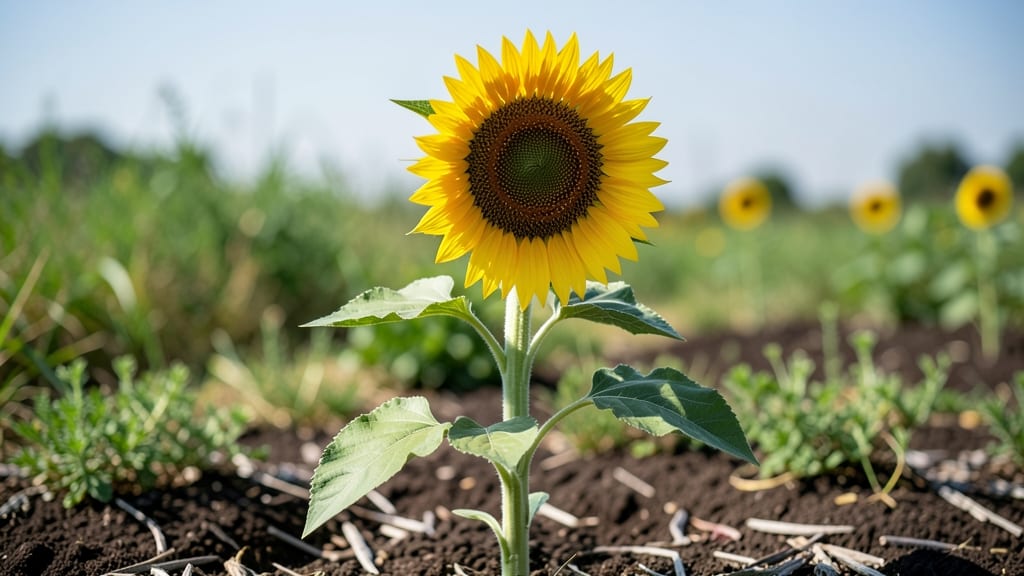
Sunflowers need 6 to 8+ hours of direct sunlight daily to grow tall, sturdy, and disease-resistant 🌻 — without it, you’ll miss out on those iconic towering blooms.
Picture this: your sunflowers stretching toward the sky, their faces following the sun like little solar panels. That’s not just pretty—it’s science. These plants are sun-hungry giants, and cutting their light short means weak stems, pale petals, and blooms that never open.
Even worse, they’ll become prime targets for pests and diseases, leaving you with a shadow of the sunflowers you planted.
But here’s the good news: most gardens can meet their needs with a few simple adjustments.
Whether you’re working with a south-facing patch, a container on your patio, or even a shadier spot, I’ll show you how to maximize sunlight—plus spot the signs when your sunflowers are begging for more light (or, surprisingly, too much).
By the end, you’ll know exactly how to give your sunflowers the light they crave, no matter your space or climate. Let’s get those stems strong and those blooms bright!

The ideal sunlight requirements for sunflowers: exact hours and intensity
Sunflowers are one of the most sun-loving plants in your garden, but not all varieties have the same needs. While most sunflowers crave full sun exposure, the exact hours and intensity can vary depending on whether you're growing dwarf varieties, medium-height plants, or towering giant sunflowers.
Understanding these differences is key to growing healthy, vibrant blooms that reach their full potential.
Many gardeners mistakenly believe sunflowers can thrive in partial shade, but this often leads to weak stems, smaller blooms, and increased susceptibility to diseases like powdery mildew.
The truth is, sunflowers need at least 6 hours of direct sunlight daily, with ideal conditions providing 8-10 hours for optimal growth. Let's break down the exact requirements for each sunflower type and how to measure sunlight intensity properly.
| Variety | Minimum Sunlight | Ideal Sunlight | Height Range | Notes |
|---|---|---|---|---|
| Dwarf Varieties | 6 hours | 8-10 hours | 1-3 ft | More flexible; can tolerate partial shade in containers |
| Medium Varieties | 7 hours | 8-10 hours | 3-6 ft | Best for full sun gardens; avoid afternoon shade |
| Giant Varieties | 8 hours | 10-12 hours | 8-14 ft | Require maximum sunlight; leggy if light is insufficient |
| All Varieties | 6 hours | 8+ hours | Varies | Morning sun preferred; avoid hot afternoon shade |
For dwarf sunflowers, like 'Teddy Bear' or 'Moulin Rouge', you can get away with 6 hours of sunlight daily, making them great for container gardening or urban spaces.
However, they'll still produce larger blooms when given 8-10 hours of light. These varieties are more forgiving but won't reach their full potential without adequate sunlight.
When growing medium-height sunflowers such as 'Autumn Beauty' or 'ProCut', aim for at least 7 hours of sunlight, but 8-10 hours is ideal. These varieties are perfect for cut flower gardens and will develop stronger stems and bigger blooms with proper light exposure.
Morning sunlight is especially beneficial as it helps prevent fungal diseases caused by evening moisture.
If you're growing giant sunflowers like 'Russian Giant' or 'Mammoth', they demand the most sunlight—at least 8 hours daily, with 10-12 hours being optimal. These sunflowers can grow over 12 feet tall, and their massive blooms require maximum energy from the sun.
Without enough light, they'll develop weak, leggy stems that can't support their own weight, leading to broken stems and poor blooming.
Measuring sunlight intensity isn't just about counting hours—it's also about the quality of light. Full sun means 6+ hours of direct sunlight, while partial shade refers to 3-6 hours of direct light with filtered sunlight the rest of the day.
Use a sunlight meter or observe your garden: if your hand's shadow is shorter than your fingers at midday, you likely have full sun. If the shadow is longer, you're in partial shade.
Seasonal adjustments are crucial, especially in northern climates where sunlight is weaker in summer and winter. In summer months, sunflowers can handle intense afternoon sun, but in spring or fall, they may need protection from hot afternoon rays to prevent leaf scorch.
A simple lightweight shade cloth (30-50% shade) can help during extreme heat while still allowing plenty of light.
One common miscon
Signs your sunflowers aren’t getting enough (or too much) sunlight
Sunflowers send up clear distress signals when their sunlight needs aren’t met. If your plants look leggy with sparse blooms, they’re likely starving for light. Conversely, browned edges or wilting means you’ve overdone it. These visual cues help diagnose the issue before it’s too late.
First, check your sunflower’s leaf color. Healthy foliage should be a deep green. Pale yellow leaves signal insufficient sunlight, while crispy brown patches mean too much direct sun. Both conditions weaken your plant’s ability to produce those iconic sunflower blooms.
Leggy stems are the most common sign of light deprivation. When sunflowers stretch toward any available light, their stems grow weak and elongated, making them prone to snapping. This happens when they receive less than 6 hours of direct sun daily.
Sunflower Sunlight Needs: Pros & Cons
| Sunlight Condition | Pros | Cons |
|---|---|---|
| Full Sun (6-8+ hours) | ✔️ Strong stems ✔️ Vibrant blooms ✔️ Disease resistance |
✖️ Risk of scorching ✖️ Needs frequent watering |
| Partial Shade (3-6 hours) | ✔️ Slower water loss ✔️ Suitable for containers |
✖️ Leggy growth ✖️ Fewer blooms ✖️ Weak stems |
| Too Much Sun (Excessive Heat) | ✔️ Rapid growth (initially) | ✖️ Scorched leaves ✖️ Premature wilting ✖️ Stress cracks |
*Dwarf varieties tolerate 3-4 hours of sun better than giant types.
For sunlight deficiency, move your sunflowers to a south-facing spot or use reflective surfaces like white walls or mulch to bounce light onto their leaves. If you’re growing in containers, place them on a sunny patio or balcony where they can follow the sun’s arc.
When dealing with too much sunlight, provide afternoon shade using shade cloth (30-50%) or plant taller crops nearby to create natural shade. Morning sun is less intense, so orient your garden to maximize this gentler light exposure while protecting plants from harsh afternoon rays.
Regularly monitor your sunflowers for these signs, and adjust their placement every few weeks as the sun’s position changes. With the right balance, you’ll enjoy towering, disease-resistant blooms all season long. 🌻