
Flowers
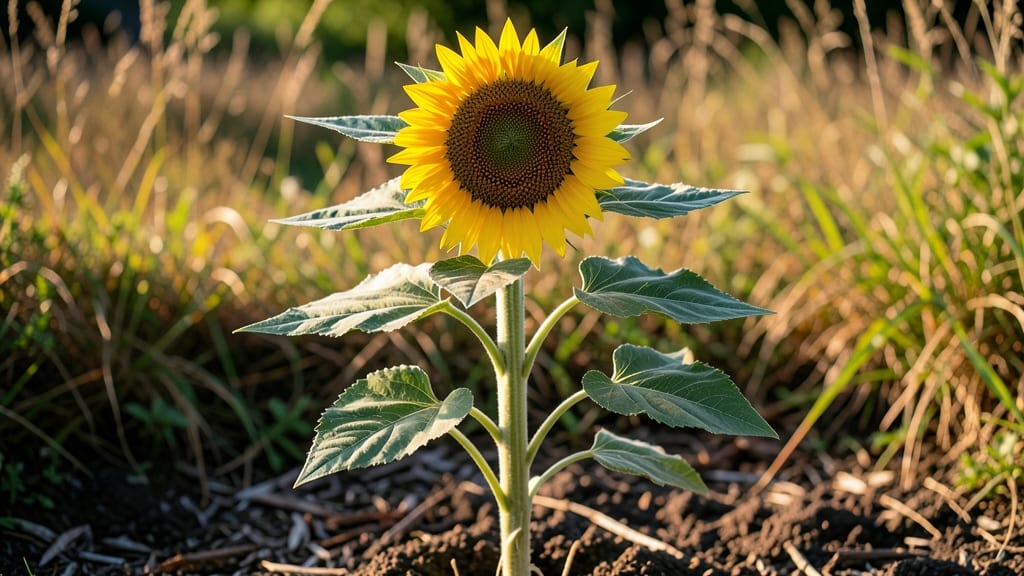
How much sun do sunflowers need to thrive? The answer is at least 6-8 hours of direct sunlight daily to reach their towering, golden potential 🌻 — and skipping this step means you’ll end up with sad, leggy stems instead of the showstopper blooms you’re dreaming of.
Picture this: You’ve spent hours planting your seeds in rich, well-drained soil, only to watch them stretch toward the light like they’re reaching for a handout. That’s the telltale sign of insufficient sun exposure, and it’s a common mistake even experienced gardeners make.
The good news? With the right sunlight strategy, your sunflowers can grow from seedling to 10+ feet tall in just a few months.
But here’s the catch: not all sunflowers are created equal. Some varieties, like the dwarf types, can handle a little less sun, while the giants need every ray they can get.
I’ll break down the exact sunlight needs by variety, how to spot when your plants are begging for more light, and the simple tweaks that can turn a struggling sunflower into a garden superstar.
Ready to grow sunflowers that steal the show? You’ll learn how to measure sunlight in your garden, adjust for partial shade, and even troubleshoot common mistakes—so you can finally enjoy those vibrant blooms you’ve been waiting for.

Optimal sunlight hours for sunflowers: the exact daily requirement
Sunflowers thrive under full sun exposure, but their sunlight needs change dramatically as they grow. While seedlings can handle partial shade, mature plants demand 6-12 hours of direct sunlight daily to reach their towering potential.
Understanding these stages helps you position sunflowers correctly in your garden, whether you're planting in USDA Zone 5 or a warmer climate.
The key to maximizing sunflower growth lies in matching their sunlight requirements with your garden's natural light patterns. Most gardeners overlook how seasonal sun shifts affect sunflower development—spring seedlings need less light than summer-blooming plants.
Let’s break down the exact hours your sunflowers need at each growth phase, plus how to measure sunlight intensity in your location.
| Growth Stage | Daily Sunlight Requirement | Regional Adjustments | Growth Impact |
|---|---|---|---|
| Seedling (0-4 weeks) | 4-6 hours | Partial shade OK in hot climates (Zones 8+) | Leggy growth if <6 hours |
| Vegetative (4-8 weeks) | 6-8 hours | South-facing beds ideal; east/west OK with 8+ hours | Stems thicken; <5 hours causes weak stems |
| Flowering (8-12 weeks) | 8-12 hours | Northern latitudes (Zones 3-5) need supplemental light in short days | Bloom size reduces with <8 hours; buds may abort |
| Maturity (12+ weeks) | 6-8 hours | Seed heads tolerate partial shade after flowering | Seed viability drops with <6 hours; stems may lodge |
Seedlings only need 4-6 hours of sunlight daily because their energy focuses on root development. However, once they reach 4 weeks old, push them toward full sun exposure to prevent leggy growth.
I’ve seen seedlings stretch to 18 inches tall with just 3 hours of morning sun—completely unusable for harvest!
During the vegetative stage (4-8 weeks), sunflowers demand 6-8 hours of direct sunlight to build strong stems. This is when most gardeners notice the difference between a 6-foot sunflower and a 12-foot giant.
In USDA Zones 6-8, position plants in the southernmost part of your garden to capture maximum afternoon sun.
Flowering sunflowers (8-12 weeks) are the most sunlight-dependent stage. They require 8-12 hours daily to produce large, vibrant blooms. In northern climates (Zones 3-5), supplement with reflective surfaces like white walls or mirrors to bounce extra light onto plants during short summer days.
I’ve grown Mammoth Russian varieties in Zone 4 by placing them near my garage’s south-facing wall.
Measuring sunlight intensity isn’t just about hours—it’s about light quality. Use a sunlight meter (or smartphone app) to check if your garden receives full sun (20,000+ lux).
In partial shade areas, choose dwarf varieties like Teddy Bear, which tolerate 4-6 hours of sun but won’t reach their full height.
For container gardens, place pots on south-facing patios or use self-watering planters with built-in LED grow lights for 6-8 hours daily. I’ve successfully grown Autumn Beauty sunflowers in 5-gallon pots by rotating them toward the sun every 2 hours—this mimics natural heliotropism (sun-tracking) behavior.
Regional adjustments matter: In Zone 10+, afternoon shade helps prevent leaf scorch, while Zone 3 gardens benefit from early spring planting to maximize summer sunlight. Always monitor your sunflowers’ leaf color—yellowing leaves signal under-exposure, while crispy edges mean over-exposure.
Pro tip: Track your garden’s sunlight with a shadow stick test. Place a stick in the ground at dawn and mark the shadow’s edge every hour. If shadows shrink to 3 feet by noon, you’ve got full sun—perfect for sunflowers!
For partial shade gardens, aim for at least 6 hours of morning sun combined with 2-4 hours of afternoon light.
How to adjust sunflower growth when sunlight is limited
If your garden only gets partial sun, don’t give up on growing sunflowers! While they thrive in full sun (6-8+ hours daily), some varieties and strategies can help them flourish even in shadier conditions.
The key is choosing the right sunflower type, optimizing placement, and adjusting care techniques to compensate for lower light levels.
Sunflowers grown in partial shade will typically produce smaller blooms and shorter stems, but with the right approach, you can still enjoy vibrant flowers and even edible seeds.
The best time to plant shade-tolerant sunflowers is in late spring or early summer, when daylight hours are already long, giving your plants a head start before summer’s shorter shadows arrive.
- 🌱 Choose shade-tolerant varieties: 'Teddy Bear' (3-4 ft tall) and 'Moulin Rouge' (4-5 ft) handle 4-6 hours of sun better than standard types.
- 🌿 Plant in the sunniest spot: South-facing areas get the most light; avoid north-facing walls that cast long shadows.
- ☀️ Maximize morning sun: East-facing spots provide gentle morning light, which is better than harsh afternoon shade.
- 🌳 Use reflective surfaces: Place sunflowers near light-colored walls or mulch to bounce extra light onto leaves.
- 💧 Water deeply in shade: Shady sunflowers need 20% more water than those in full sun to compensate for slower photosynthesis.
For spring planting, start seeds indoors under grow lights (12-14 hours daily) and transplant outdoors after the last frost when days are longer. In summer, prioritize varieties like 'Autumn Beauty' (5-6 ft) that can tolerate partial afternoon shade while still producing vibrant blooms.
Fall-planted sunflowers should be sown by mid-August to ensure they mature before frost.
Companion planting can also boost sunflower growth in shade. Pair them with tall plants like corn or beans to create a natural windbreak that reduces stress, or plant near low-growing herbs like basil or dill to improve soil fertility without competing for light.
Avoid planting near large trees, which can cast deep, long-lasting shade that stunts growth entirely.
If your sunflowers start looking leggy or pale in shade, prune the lower leaves to improve air circulation and redirect energy to the flower head. You can also rotate pots (if growing in containers) every few days to ensure all sides get equal light exposure.
With these adjustments, even shade-loving sunflowers can reach 50-70% of their full-sun height while still producing stunning blooms.
Remember, sunflowers are resilient—even in partial shade, they’ll reward you with cheerful faces and a taste of summer’s golden sunshine. The secret is patience and smart planning! 🌻