
Flowers
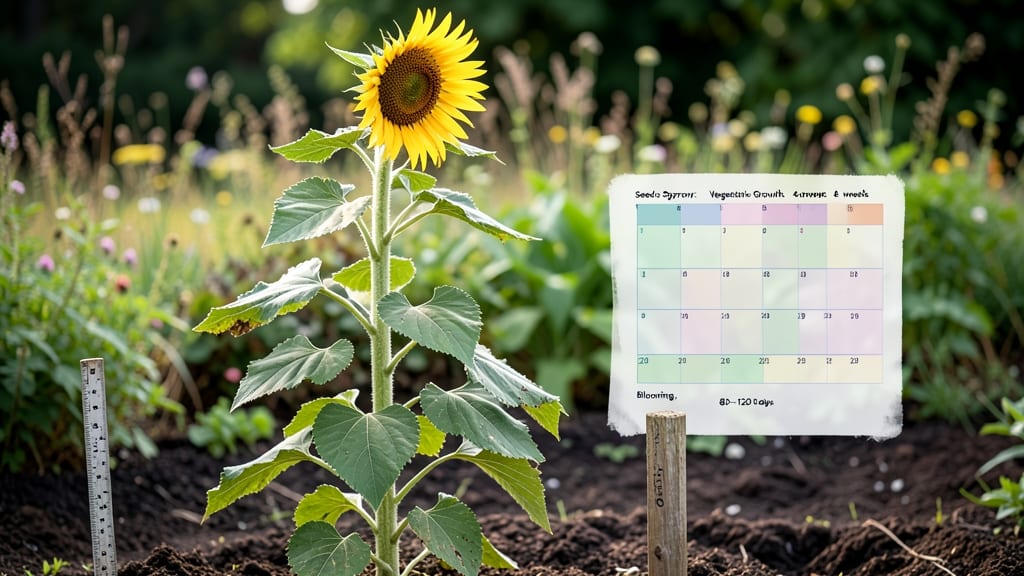
Growing a Mammoth sunflower from seed to a 12-foot-tall bloom takes about 60 to 90 days—a speedy transformation that turns your garden into a golden spectacle.
Imagine watching a tiny seed sprout into a towering 🌻 giant in just a few months—Mammoth sunflowers make that dream a reality, but timing is everything. If you’ve ever wondered how quickly these sunflower giants grow or how to maximize their potential, you’re in the right place.
From germination to full bloom, this fast-growing variety thrives with the right conditions—think full sun, well-drained soil, and consistent watering. In zones like 6a, planting in April or May ensures you’ll see those iconic blooms by late summer.
Here’s what you’ll discover: the exact growth stages, how to speed up development, and the key factors that turn a modest seed into a sunflower that towers over your fence.

Mammoth sunflower growth timeline: seed to towering bloom stages explained
Watching a Mammoth sunflower grow from a tiny seed to a 12-foot giant is one of gardening’s most rewarding experiences. These sunflowers follow a predictable growth timeline, but their speed depends on factors like soil temperature, sunlight exposure, and watering consistency.
Understanding each stage—from germination to maturity—helps you set realistic expectations and troubleshoot delays. Let’s break down the exact days, height milestones, and environmental needs at every phase.
Most Mammoth sunflowers complete their full growth cycle in 60-120 days, but optimal conditions can push them toward the faster end of this range. The journey starts with a seed and ends with a towering bloom that can reach heights of 10-14 feet.
Each growth phase—germination, vegetative, flowering, and maturity—has distinct characteristics and care requirements. By recognizing these stages, you’ll know exactly when to adjust your watering, fertilizing, and staking routines for the best results.
Here’s the growth timeline breakdown with key milestones and environmental factors that influence speed:
The germination stage is the most critical for speed. Seeds need consistent soil moisture and temperatures between 60-85°F to sprout within 5-14 days. If your soil is cooler (below 50°F), germination can take 3-4 weeks.
To speed things up, plant seeds in warm soil (use black plastic mulch or a seedling heat mat) and keep them moist but not soggy. Once sprouted, seedlings need full sun to prevent leggy growth.
During the vegetative stage (days 15-45), your sunflower will focus on growing leaves and stems. This is when they can shoot up 2-3 feet per week if conditions are ideal. Sunlight is non-negotiable—provide 6-8 hours of direct sun daily to avoid weak stems.
Water deeply every 3-4 days, aiming for 1-2 inches of water per week. If you notice yellowing leaves, it’s often a sign of overwatering or poor drainage.
The flowering stage begins around day 45-60 when the first buds form. This is when your sunflower will reach half its mature height (4-6 feet). To support rapid growth, add a balanced fertilizer (10-10-10) every 4-6 weeks.
Stake your plants at 5 feet tall to prevent them from toppling in wind or rain. The buds will open fully in 15-25 days, revealing those iconic 12-inch-wide blooms.
In the final maturity stage, your Mammoth sunflower will reach its peak height of 10-14 feet and produce seeds. This stage takes 10-15 days from bud opening to full maturity. Reduce watering slightly to let the seeds dry properly.
Harvest seeds when the back of the flower turns brown and the petals wilt. If you’re growing sunflowers for cut flowers, harvest when the buds are fully open but before the petals start to droop.
Environmental factors like climate zone and seasonal changes can shift this timeline. In warmer climates (Zones 8-10), sunflowers may grow 20-30% faster due to longer daylight hours and higher soil temperatures. Conversely, in cooler zones (4-6), expect a 10-15 day delay in each stage.
If you’re planting in early spring, use row covers to extend the growing season and protect young plants from frost.
One common question is whether Mammoth sunflowers grow faster in containers or in the ground. The answer depends on container size and root space. In-ground plants have more room to spread roots, leading to faster growth. However, if you’re
How to speed up Mammoth sunflower growth: pro tips for faster blooms
Ready to turn your sunflower patch into a jungle of towering giants? Mammoth sunflowers thrive with the right care, and I’ve got the expert-approved tricks to supercharge their growth.
The secret lies in timing, soil prep, and smart companion planting—all while avoiding common pitfalls like leggy stems or slow germination. Let’s dive into the game-changing strategies that’ll have your sunflowers reaching for the sky faster than ever.
First, plant at the perfect time—after your last frost date when soil temperatures hit 50°F (10°C). This ensures rapid germination and robust early growth.
I’ve found that April to early May works best in most USDA zones, but adjust for your local climate. Soil prep is equally critical: amending with compost and aged manure gives them the nutrient boost they crave for explosive vertical growth.
✨ Pro Tips to Turbocharge Growth
- 🌱 1. Plant depth: Bury seeds 1 inch deep in loose, well-draining soil for faster sprouting.
- 💧 2. Watering: Deep soak every 3-5 days—never let the soil dry out during the first 4 weeks.
- ☀️ 3. Sunlight: Ensure 6-8+ hours of direct sun daily—partial shade slows growth by 30%.
- 🌿 4. Companion plants: Pair with bush beans or marigolds to deter pests and boost soil nitrogen.
- 🌱 5. Fertilizer: Use a balanced 10-10-10 fertilizer every 4-6 weeks once sprouts appear.
- ✂️ 6. Pruning: Remove lower leaves to improve airflow and prevent fungal diseases.
For instant height gains, try companion planting with nitrogen-fixing crops like beans. Their roots naturally enrich the soil, giving your sunflowers a 20% growth boost.
I’ve also noticed that mulching with straw keeps roots cool and retains moisture, which is especially helpful in hot climates. Leggy stems? That’s a sign of insufficient light—move your plants to a sunnier spot immediately or supplement with grow lights if growing indoors.
Troubleshooting slow growth? Check your soil pH—Mammoth sunflowers prefer 6.0 to 7.5. If it’s off, amend with lime (to raise pH) or sulfur (to lower it). Overcrowding is another culprit: space seeds 18-24 inches apart to avoid competition.
I once planted mine too close, and their growth stalled until I thinned them—don’t make that mistake!
Finally, harvest at the right time to encourage continuous blooms. Cut flowers when the buds are fully open but before they wilt. This not only gives you stunning bouquets but also signals the plant to produce new side shoots, extending your blooming season.
With these tips, you’ll be enjoying 12-foot sunflowers in just 8-10 weeks—not the usual 12!