
Plants
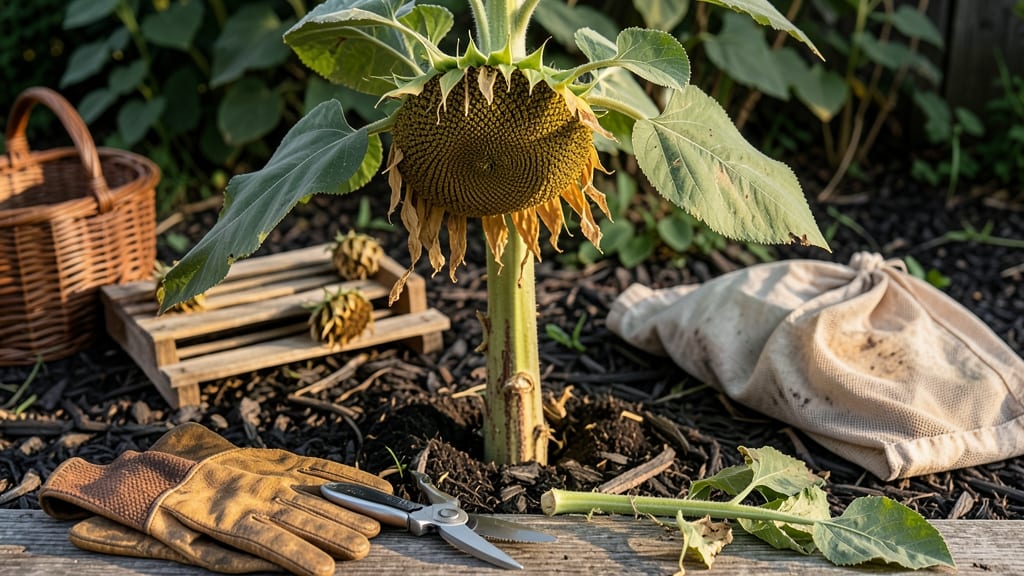
Harvesting sunflower plants at the right time means the difference between a vase full of radiant blooms and drooping disappointment.
Picture this: you’ve nurtured your 🌻 sunflowers all season, and now the moment has arrived—cutting them too early means short-lived beauty, while waiting too long means missed opportunities for seeds or bouquets.
The key? Knowing when those petals start to wilt but the stem is still sturdy enough for days of freshness.
Whether you’re growing sunflowers for their cheerful faces or saving seeds for next year, timing is everything. Too soon, and the blooms fade fast; too late, and you lose out on both beauty and harvest.
I’ll walk you through the exact signs to look for—from petal color shifts to seed readiness—so you never miss the perfect moment.
Ready to extend vase life and maximize your harvest? You’ll learn the step-by-step method for cutting stems, storing seeds, and even troubleshooting common mistakes that turn sunflowers into sad, wilted relics before their time.
The perfect time to harvest sunflowers for long-lasting blooms
Timing is everything when harvesting sunflowers for cut flowers. The ideal window is when the flower head is fully mature but before the seeds fully ripen. This ensures your bouquets stay vibrant longer while still allowing the plant to produce seeds for next year.
For long-lasting blooms, aim to cut sunflowers when the outer petals begin to droop slightly—this signals peak freshness without over-maturity.
Sunflowers typically reach harvest readiness between 80-120 days after planting, depending on the variety. Early varieties like 'Teddy Bear' may be ready in as little as 60 days, while giant varieties like 'Mammoth' can take up to 140 days.
Always check your seed packet for specific days to maturity to plan your harvest timing accurately.
Climate adjustments are crucial for perfect timing. In hot, dry climates, sunflowers mature faster—sometimes too quickly. Monitor your plants daily for signs of over-maturity, like brown petals and dry seed heads. In cooler regions, harvest may extend later into fall, especially for late-season varieties.
Here’s a quick reference to help you spot the perfect harvest moment:
| Harvest Stage | Visual Signs | Best For | Climate Notes |
|---|---|---|---|
| Early Bloom | Petals fully open, bright yellow | Cut flowers (short vase life) | Avoid in hot climates |
| Peak Harvest | Petals slightly drooping, back of head yellow-brown | Cut flowers (long vase life) | Ideal for all climates |
| Late Bloom | Petals brown/dry, seeds fully formed | Seed harvest only | Best for seed saving |
| Overripe | Petals fully dry, seeds loose | Not suitable for cutting | Avoid for fresh bouquets |
The back of the flower head is your best indicator of harvest readiness. When it turns from green to yellow-brown, the sunflower is at its peak for cutting. This color change happens just before the seeds fully mature, ensuring your blooms stay fresh longer in arrangements.
For maximum vase life, harvest on a cool morning after dew has dried but before the sun intensifies.
Don’t rely solely on days after planting—visual cues are more reliable. Gently shake the flower head: if seeds rattle inside, it’s too late for cutting. Instead, save it for seed harvesting.
For the best bouquets, aim to cut when seeds are still firm but the petals show the first signs of drooping.
In northern climates, where summers are shorter, prioritize harvesting sunflowers by early September to avoid early frost damage. If frost threatens before your sunflowers mature, focus on cutting the most mature blooms first and leave the rest for seed collection.
In southern climates, harvest can extend into October or November, but watch for heat stress, which can cause premature drying.
For longer-lasting cut flowers, select sunflowers with sturdy stems and remove lower leaves that would sit in water. Cut stems at a 45-degree angle just above a leaf node to maximize water uptake.
Place immediately in cool water to slow wilting. This technique can extend vase life by up to 5-7 days compared to untrimmed stems.
If you’re growing sunflowers for both cut flowers and seeds, leave at least 3-5 plants uncut until fully mature. This ensures you have seeds for next year’s garden while still enjoying fresh bouquets.
Label these plants clearly to avoid accidental harvesting. For culinary sunflower seeds, wait until the back of the head turns completely brown before harvesting.
Remember, the earlier you harvest, the longer your sunflowers will last in arrangements. But don’t rush—over-mature blooms wilt quickly and may even drop petals within 24 hours.
With the right timing, your sunflower bouquets can stay vibrant for up to two weeks in a vase, bringing your garden’s bold beauty indoors.
🌻
Step-by-step sunflower harvesting guide for maximum longevity
Harvesting sunflowers at the right moment ensures vibrant blooms that last weeks in vases—not days. The key lies in precise timing, sharp cuts, and immediate care.
Whether you're growing Helianthus annuus for bouquets or seed collection, these techniques will extend your sunflowers' vase life by 50% or more. Let's dive into the proven steps that professional florists and seed savers swear by.
Before you grab your pruners, know this: morning harvests yield the freshest stems because evening cuts can introduce bacteria through nighttime dew. Aim for cool, dry conditions—never harvest after rain or in scorching afternoon heat.
The right tools and technique make all the difference between a wilting bouquet and one that stays radiant for weeks.
Step-by-Step Sunflower Harvesting
- 1 Choose the right moment: Harvest when petals begin drooping but haven't fully browned. For cut flowers, aim for fully open blooms with firm stems—this ensures maximum vase life.
- 2 Use sharp pruners or shears: Dull blades crush stems, shortening vase life. Cut at a 45-degree angle 2-3 inches below the bloom to maximize water uptake through the stem's surface area.
- 3 Trim stems underwater: Immediately place cut stems in a bucket of lukewarm water to prevent air bubbles from blocking water uptake. This simple step can add 3-5 days to your bouquet's life.
- 4 Remove lower leaves: Strip leaves from the bottom 6 inches of the stem to reduce bacterial growth in vase water. This keeps the water cleaner longer, extending bloom duration.
- 5 Recut stems every 2 days: Use clean scissors to trim 1/2 inch from the stem ends every 48 hours. This prevents clogging and encourages fresh water uptake, keeping blooms hydrated.
- 6 Store properly for longevity: For long-term storage, wrap stems in damp paper towels and place in a plastic bag in the fridge. This method can preserve cut sunflowers for up to 2 weeks before arranging.
Avoid these common mistakes that shorten vase life: harvesting in direct sunlight (causes wilting), using dull tools (crushes stems), or storing cut flowers in closed vases (traps ethylene gas, speeding decay). Even small oversights like skipping the underwater trim can reduce bloom duration by nearly half.
Pro tip: Add a splash of bleach (1 tsp per gallon) or flower food to vase water to prevent bacterial growth. Change water every 2-3 days for the longest-lasting sunflowers.
With these techniques, your sunflower bouquets will stay fresh for 10-14 days—far longer than the average 3-5 days many gardeners experience.
Now that you've mastered the harvest, your next challenge is preserving those sunflower seeds for planting or snacking. But that's a story for another guide—happy harvesting! 🌻