
Trees
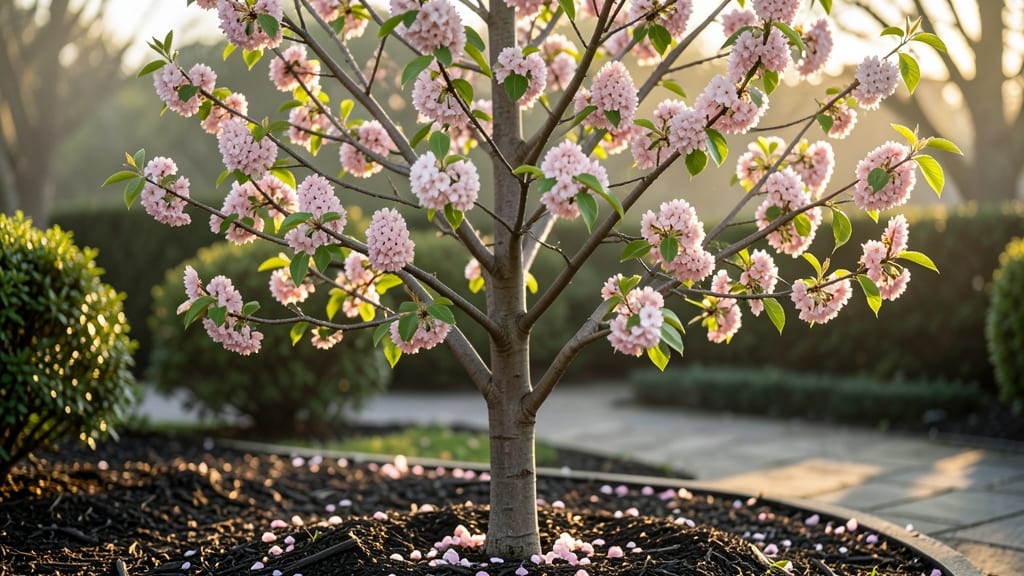
The flowering pear tree's growth rate can transform your yard in just a few years, with some varieties reaching 3 feet per year once established.
If you're dreaming of a stunning, fast-growing flowering pear tree to add instant curb appeal, knowing its growth rate can help you plan your landscape perfectly—some varieties shoot up 3 feet in a single year! But here’s the catch: those early years matter more than you think.
Most flowering pear trees 🌳 start slow, gaining just 2-4 feet in their first year, but by year three, they can double that height. The right soil, sunlight, and a little pruning know-how make all the difference in speeding up that growth.
Below, I’ll break down the fastest-growing varieties, how to maximize their height gains, and what to expect each year—so you can watch your tree reach its full potential faster than you imagined.


Flowering pear tree growth rates by variety: fastest vs slowest growers
Choosing a flowering pear tree for your landscape means balancing beauty with practical growth expectations. Some varieties like Calleryana 'Aristocrat' can shoot up 3 feet annually once established, while others grow more slowly.
Understanding these differences helps you plan for shade, space, and curb appeal timelines. Let's compare the fastest-growing options with slower but equally stunning varieties.
All flowering pear trees start with modest growth in their first few years, but the real differences appear after year 3. 'Cleveland Select' and 'Chanticleer' are among the fastest, while 'Capitol' grows more gradually.
The key factor? Root development speed and genetic growth patterns. Some varieties prioritize width over height early on, which changes their long-term trajectory.
🌱 Pro Tip: Measure your space carefully before planting. A 25-foot mature tree needs room to spread its branches—some varieties like 'Aristocrat' can reach 40 feet if unpruned. Always account for 10-15 feet of clearance from structures and sidewalks.
If you're in a hurry for instant impact, 'Aristocrat' and 'Chanticleer' are your best bets. These varieties can add 10 feet of height in just 3 years, making them ideal for new homeowners or landscape refreshes.
However, their rapid growth means you'll need to prune annually to control spread and maintain shape.
For slower but steady growth, 'Capitol' and 'Pekinese' offer reliable, low-maintenance options. These trees grow just 1.5-2 feet per year but develop strong root systems early, making them more drought-resistant once mature. They're perfect for smaller yards or areas with limited space.
All flowering pear trees experience a growth spurt between years 3-5. This is when they shift from developing roots to rapid vertical expansion. During this phase, watering deeply once weekly and applying a balanced fertilizer (like 10-10-10) can accelerate height gains by up to 20%.
Avoid over-fertilizing, though—too much nitrogen can reduce flowering.
One common misconception is that all flowering pear trees grow at the same rate. In reality, 'Aristocrat' can outpace 'Capitol' by 50% in the first 5 years. This difference is due to their genetic growth hormones and how quickly they establish root systems.
If you're planting near power lines or sidewalks, slower growers like 'Capitol' give you more time to adjust.
🌳 Key Takeaway: Match your variety to your timeline. Need a tree to shade your patio in 5 years? Go for 'Aristocrat'
How to maximize flowering pear tree growth: pruning, soil, and care tips
Want your flowering pear tree to reach its full height potential faster? The secret lies in smart soil prep, strategic pruning techniques, and consistent seasonal care.
These trees naturally grow 2-4 feet per year once established, but with the right approach, you can push that growth to 3-5 feet annually—especially in their first 5 years. Let’s break down the proven methods to give your tree the best start.
First, timing matters more than you might think. Planting your flowering pear tree in late spring (April-May) gives roots time to establish before winter dormancy. Choose a sunny location with 6+ hours of direct sunlight—this isn’t just about aesthetics, but about fueling rapid growth.
Poor sunlight slows height gains by up to 50%, so don’t skimp on this essential.
- Soil Prep: Amend with compost and sand to create well-draining soil with a pH of 6.0-7.0. Poor drainage causes root rot, which stunts growth by 30% or more.
- Watering Schedule: Deep water 2-3 times per week for the first year, then taper to once weekly once established. Morning watering prevents fungal issues that slow growth.
- Pruning for Speed: Prune in late winter to remove dead or crossing branches. This redirects energy to vertical growth, adding 1-2 extra feet per year.
- Fertilizer Boost: Apply a balanced 10-10-10 fertilizer in early spring and mid-summer. Avoid fall applications to prevent late-season growth that won’t harden off.
- Seasonal Adjustments: Mulch with 3-4 inches of organic mulch to retain moisture and regulate soil temperature. Remove mulch in late winter to avoid smothering new shoots.
One of the biggest mistakes gardeners make is over-pruning for shape too early. While shaping is important, aggressive cuts in the first 2 years can delay height growth by up to a year.
Instead, focus on structural pruning—removing only suckers and dead wood—until the tree reaches 10 feet tall. At that point, you can start refining its shape without sacrificing vertical growth.
Don’t underestimate the power of seasonal care adjustments. In summer months, increase watering to every 5-7 days if temperatures exceed 85°F. Heat stress can cause leaf drop, which reduces photosynthesis and slows growth.
Conversely, in winter, reduce watering to monthly and avoid fertilizing entirely—your tree needs this dormancy period to store energy for next year’s growth spurt.
For fastest results, combine these tips with regular monitoring. Check soil moisture weekly by sticking your finger 2 inches deep—if it’s dry, water deeply. Also, watch for pests like scale insects, which can sap energy from your tree.
A neem oil spray in early summer keeps them at bay without harming beneficial insects.
With these strategies, your flowering pear tree could hit 15 feet in just 3 years—transforming your landscape faster than you imagined. The key is consistency: good soil, smart pruning, and seasonal attention will turn your dream tree into a reality in record time. 🌳