
Orchid Care
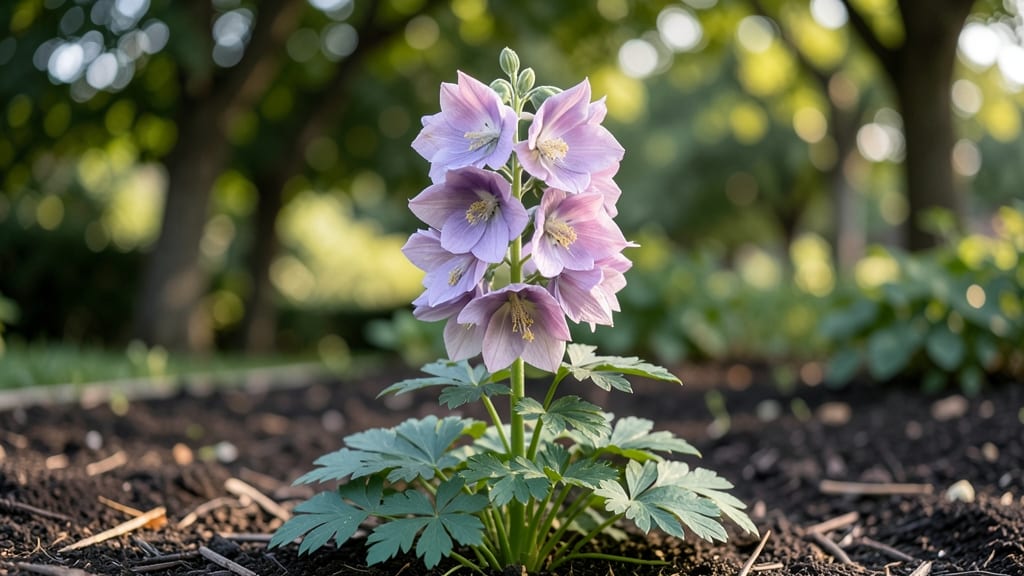
Double flowered columbine 🌸 brings a showstopping cascade of layered blooms to your garden—but only if you plant and care for them the right way.
Picture this: a 3-foot-tall plant bursting with double-layered petals in shades of pink, purple, and white, blooming from spring until late summer. The catch? Most gardeners miss the key tricks that turn a pretty seedling into a repeat-flowering powerhouse.
From picking the perfect spot (partial shade is your best friend) to deadheading spent blooms and avoiding overwatering, I’ll walk you through the exact steps to grow columbine that thrives year after year.
You’ll learn how to extend the blooming season, troubleshoot common issues, and choose varieties that multiply effortlessly—so you can enjoy these stunning flowers without the guesswork.
How to select and plant double flowered columbine seeds for maximum blooms
Double flowered columbine (Aquilegia spp.) creates a showstopping display with its layered, ruffled petals—but achieving that abundant bloom requires starting with the right seeds and planting them strategically.
The key to maximizing blooms lies in selecting the best seed varieties and timing your planting to align with your climate zone and soil conditions. Whether you're planting heirloom varieties or modern hybrids, these steps will help you cultivate columbine that thrives and reblooms throughout the season.
First, understand that double flowered columbine seeds come in two main categories: heirloom varieties and hybrid cultivars. Heirloom seeds often produce more traditional blooms with vibrant colors, while hybrids may offer improved disease resistance or larger flowers.
For maximum blooms, I recommend starting with hybrid double flowered seeds, which are bred specifically for abundant flowering and better vigor. Look for reputable seed suppliers that specialize in perennial flowers to ensure you're getting fresh, high-quality seeds.
Before planting, check your USDA hardiness zone—columbine thrives in zones 3-9, but planting times vary. In cooler zones (3-6), aim for early spring planting (March-April) or early fall (September-October) to allow roots to establish before winter.
Gardeners in warmer zones (7-9) should plant in late fall or early spring to avoid summer heat stress. This timing ensures your columbine gets a head start on growth before the peak blooming season.
Step-by-Step Planting Guide for Double Flowered Columbine
-
Step 1: Select Your Seeds
Choose between heirloom (vibrant colors) or hybrid (disease-resistant) varieties. Popular double flowered options include 'Black Barlow' or 'Songbird Series' hybrids for maximum blooms. -
Step 2: Prepare the Soil
Test soil pH (ideal: 6.0-7.5). Amend with compost or peat moss to improve drainage. Avoid heavy clay soil, which can cause root rot. -
Step 3: Choose the Right Location
Plant in partial shade (morning sun, afternoon shade) or dappled sunlight. Avoid hot, direct afternoon sun in warmer climates to prevent leaf scorch. -
Step 4: Plant the Seeds
Scatter seeds on soil surface (no need to bury). Lightly press into soil and water gently. Seedlings may take 2-3 weeks to emerge. -
Step 5: Thin Seedlings
Once seedlings reach 2 inches tall, thin to 12-18 inches apart for optimal airflow and reduced competition. This encourages stronger root development. -
Step 6: Mulch and Water
Apply 2-3 inches of mulch to retain moisture and suppress weeds. Water at soil level (avoid wetting foliage) to prevent fungal diseases like powdery mildew.
Soil preparation is critical for robust root development, which directly impacts blooming potential. Columbine prefers well-draining soil with a slightly acidic to neutral pH (6.0-7.5). If your soil is heavy or compacted, mix in organic matter like compost or coconut coir to improve aeration.
A simple soil test kit can help you determine if your soil needs amendments like lime (to raise pH) or sulfur (to lower pH). For container gardening, use a high-quality potting mix blended with perlite to ensure excellent drainage.
When selecting a planting location, prioritize spots with partial shade—this means 3-6 hours of sunlight per day, ideally in the morning. Afternoon shade is especially important in hotter climates to prevent leaf burn.
If you're in a cooler zone, your columbine may tolerate more sun, but even then, afternoon shade helps prolong blooming. Avoid low-lying areas where cold air pools, as this can damage tender seedlings or established plants during late frosts.
One of the most common mistakes gardeners make is planting too deeply or burying seeds. Columbine seeds are light germinators, meaning they need sunlight to trigger germination. Simply scatter them on the soil surface and press lightly—this mimics their natural habitat in woodland areas.
After planting, keep the soil consistently moist but not soggy until germination occurs. A light misting with a spray bottle works well for maintaining even moisture without disturbing the seeds.
Once your double flowered columbine seedlings emerge, focus on creating an environment that encourages strong, healthy growth. Thin seedlings to 12-18 inches apart to give each plant enough space to develop without competing for nutrients. This spacing also improves airflow, reducing the risk of fungal diseases.
Apply a 2-3 inch layer of mulch around each plant to retain moisture, suppress weeds, and regulate soil temperature. Organic mulches like shredded bark or straw work beautifully and break down over time to enrich the soil.
For gardeners in warmer climates, consider providing afternoon shade during the hottest months (June-August) to protect your columbine from heat stress. A simple shade cloth or planting near taller perennials can make a big difference.
In cooler climates, focus on protecting young plants from late spring frosts by using row covers or choosing slightly sheltered locations. With the right care, your double flowered columbine will reward you with prolonged blooming from early summer through fall.
Remember that double flowered columbine is a perennial, meaning it will return year after year with proper care. The first year focuses on establishing strong roots, while subsequent years should yield even more abundant blooms.
By following these planting steps and providing consistent care, you'll create a stunning display that attracts hummingbirds and butterflies while adding vertical interest to your garden.
Proven techniques to encourage repeat blooming in double flowered columbine
Double flowered columbine thrives when you give it the right care to keep producing those stunning layered blooms. Unlike single-flowered varieties, these double blooms require extra attention to maintain their prolonged flowering from spring through summer.
The key lies in a combination of pruning techniques, fertilization timing, and deadheading strategies that encourage continuous growth.
I’ve found that most gardeners miss the seasonal pruning schedule that makes all the difference. A little strategic cutting at the right times can extend your columbine’s bloom season by 4-6 weeks.
Let’s break down exactly what works best for these show-stopping flowers, so you can enjoy their beauty all season long without the guesswork.
- Deadhead daily after blooms fade to redirect energy to new flowers. Use clean bypass pruners to avoid damaging stems.
- Prune lightly in early spring to remove dead foliage and shape plants. Never cut into woody stems—focus on soft growth.
- Fertilize twice—once in early spring with 10-10-10 and again after first flush of blooms. Avoid high-nitrogen feeds in summer.
- Water consistently at soil level to prevent fungal issues. Morning watering reduces evaporation and keeps blooms vibrant longer.
One of the most common mistakes I see is over-pruning in late summer, which can stunt new growth before winter. Instead, focus on light maintenance pruning in early fall to clean up any yellowing leaves while leaving the stems intact. This helps the plant store energy for next year’s blooms.
For double flowered varieties, I recommend a balanced fertilizer like 10-10-10 applied in early spring and again after the first major bloom cycle. Too much nitrogen can lead to lush foliage but fewer flowers—something you definitely don’t want with these showy plants.
Always water thoroughly after fertilizing to prevent root burn.
Don’t forget about mulching! A 2-inch layer of organic mulch around your columbine helps retain moisture, regulate soil temperature, and suppress weeds. I use shredded bark mulch in early spring and replenish it in late summer to keep the roots happy all season.
This small step makes a huge difference in repeat blooming.
With these techniques, your double flowered columbine will reward you with continuous blooms from early spring through late summer. The secret is consistency—stick to the pruning schedule, feed at the right times, and keep those spent blooms trimmed.
Your garden will thank you with a non-stop floral display that turns heads all season. 🌸