
Flowers
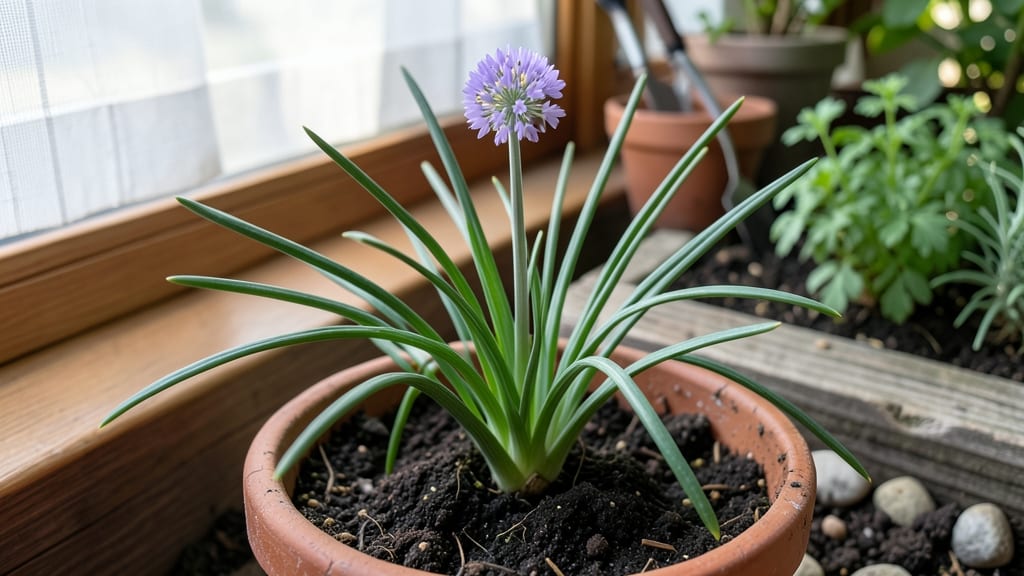
Chives do have flowers, and those delicate purple blooms are more than just pretty—they’re edible and packed with flavor 🌱.
If you’ve ever wondered whether those delicate purple spikes sprouting from your chive plants are just decorative—or edible—you’re not alone. Chives don’t just add flavor to your dishes; their flowers are a culinary and ornamental powerhouse, transforming your garden into a fragrant, edible paradise.
These blooms typically appear in late spring to early summer, standing tall on slender stems and adding a mild onion-garlic punch to salads, garnishes, or even infused oils. Beyond their taste, they also play a key role in the plant’s lifecycle, attracting pollinators and producing seeds for future growth.
Below, I’ll walk you through how to identify chive flowers, when to harvest them, and creative ways to use them—both in the kitchen and to boost your garden’s beauty.
Chives flowering process: when, why, and how to identify them
Yes, chives absolutely have flowers—and they’re not just pretty! Those purple-pink spikes that appear in late spring or early summer are a key part of the plant’s lifecycle.
Chives (Allium schoenoprasum) are perennial herbs in the allium family, which means they’ll bloom year after year if given the right conditions. The flowers aren’t just ornamental; they’re edible and add a mild onion-garlic flavor to dishes, just like the leaves.
Understanding when and why chives flower helps you maximize their growth and even save seeds for next year. Flowers appear as the plant matures, typically after 60-90 days from planting, depending on your climate.
In cooler regions like USDA Zone 6a, blooms often emerge in May or June, while warmer zones may see them earlier. The timing depends on factors like sunlight, soil health, and temperature.
Chive flowers have a distinct appearance that sets them apart from other alliums like garlic or onions. Each flower cluster forms a round, spherical umbel with tiny, star-shaped blooms on thin stems.
The color ranges from soft lavender to deep magenta, and they’re often fragrant, attracting pollinators like bees and butterflies. This makes them a dual-purpose plant—both edible and ecologically beneficial.
| Feature | Details |
|---|---|
| Flower Color | Purple-pink to magenta |
| Bloom Time | Late spring to early summer |
| Flower Structure | Round umbel with tiny star-shaped blooms |
| Edibility | Yes—mild onion-garlic flavor |
| Height at Bloom | 12-18 inches tall |
| Pollinator Appeal | High—attracts bees and butterflies |
| Seed Production | Yes—dry seed heads for next year |
The primary reason chives flower is to reproduce. After pollination, the flowers develop into seed pods that contain tiny black seeds. These seeds can be collected and saved for planting in the fall or early spring, allowing you to grow new chive plants without buying seeds.
However, if you’re growing chives primarily for leaves, you might want to prune the flowers to redirect the plant’s energy back into leaf production.
Climate plays a huge role in when chives flower.
In cooler regions, like USDA Zone 6a, chives may wait until late spring to bloom, while in warmer zones, they might flower as early as April. Full sun exposure (6+ hours daily) and well-draining soil also encourage earlier and more abundant blooms.
If your chives aren’t flowering, check their growing conditions—lack of sunlight or over-fertilizing with nitrogen can delay or prevent flowering.
Identifying chive flowers is easy once you know what to look for. Unlike garlic chives (which have flat, grass-like leaves and tiny white flowers) or onion chives (which have hollow stems), true chives have hollow, cylindrical leaves and round flower clusters.
The flowers also stand taller than the leaves, often reaching 12-18 inches in height. If you’re unsure, snap off a flower stalk and smell it—they have a distinctive allium scent, similar to their leaves.
Flowers also signal the end of the plant’s active growth cycle for the season. After blooming, chives may slow leaf production as they focus energy on seed development.
This is normal, but if you want to keep harvesting leaves, you can deadhead the flowers (cut them off at the base) to encourage more leafy growth. Just be aware that removing all flowers means no seeds for next year’s plants.
One common misconception is that chive flowers are toxic. While they’re not as potent as raw onion or garlic, they do contain allicin, a compound that can cause mild digestive upset in large quantities.
However, in culinary amounts, they’re perfectly safe and add a delicate, sweet-onion flavor to dishes. Always rinse the flowers before eating to remove any dirt or pesticides.
If you’re growing chives for both flowers and leaves, aim for a balanced approach. Let some flowers bloom to support pollinators and save seeds, but prune others to maintain leaf production.
This way, you’ll enjoy fresh chives all season long while still benefiting from their beautiful blooms and ecological value. Plus, the flowers make stunning garnishes for salads, soups, and cocktails!
🌱
Edible chive flowers: culinary uses and flavor profile
Yes, chives absolutely have flowers, and they’re not just pretty—they’re edible and packed with flavor. Those delicate purple blooms that appear in late spring to early summer are a culinary treasure, offering a milder, sweeter version of the herb’s classic onion-garlic punch.
Unlike their leafy counterparts, the chive flowers add a subtle floral note that brightens dishes, garnishes, and even drinks.
Harvesting chive flowers is simple: snip the entire flower stalk just above a leaf node to encourage more blooms. For best flavor, use them fresh within 2-3 days—though you can also dry or freeze them for later use.
Their mild onion-garlic flavor with a hint of sweetness makes them versatile for both savory and sweet applications.
- 1. Fresh Garnish: Sprinkle over salads, soups, or eggs for a pop of color and mild onion flavor.
- 2. Infused Oils: Steep flowers in olive or vegetable oil for 1-2 weeks to create a floral-infused oil for drizzling.
- 3. Vinegar Infusions: Combine with apple cider vinegar for a bright, tangy dressing with herbal notes.
- 4. Cocktail Garnish: Add to gin-based cocktails or sparkling water for an elegant, edible garnish.
- 5. Baked Goods: Finely chop and mix into muffins, scones, or shortbread for a subtle floral twist.
- 6. Salt Preservation: Blend into homemade herb salts for a savory, aromatic seasoning.
When comparing chive flowers to their leaves, you’ll notice a softer, sweeter profile with less sharpness. The flowers have a delicate floral aroma that pairs beautifully with creamy dishes like mashed potatoes or citrus-based recipes.
For a quick test, try adding a few blooms to a vinaigrette—their flavor mellows into the oil, creating a complex, layered taste.
One of my favorite ways to use chive flowers is in a herb-infused honey. Simply layer flowers in a jar with raw honey, let it sit for 2 weeks, then strain. This golden, floral honey is perfect for drizzling over yogurt, fruit, or grilled meats.
Another creative idea? Freeze the flowers in ice cubes for a gourmet garnish in summer drinks or cocktails.
For those with allergies to onions or garlic, chive flowers are a great alternative—they offer a milder, more aromatic experience without the same intensity. Always harvest flowers in the morning when their oils are most concentrated, and avoid using flowers treated with pesticides if growing organically.
With their dual role as edible and ornamental, chive flowers are a must-have for any culinary gardener.
Don’t let those purple spikes go to waste—they’re nature’s way of turning your garden into a kitchen. Whether you’re garnishing a plate or infusing a homemade remedy, chive flowers prove that beauty and flavor grow hand-in-hand. 🌷