
Blooming
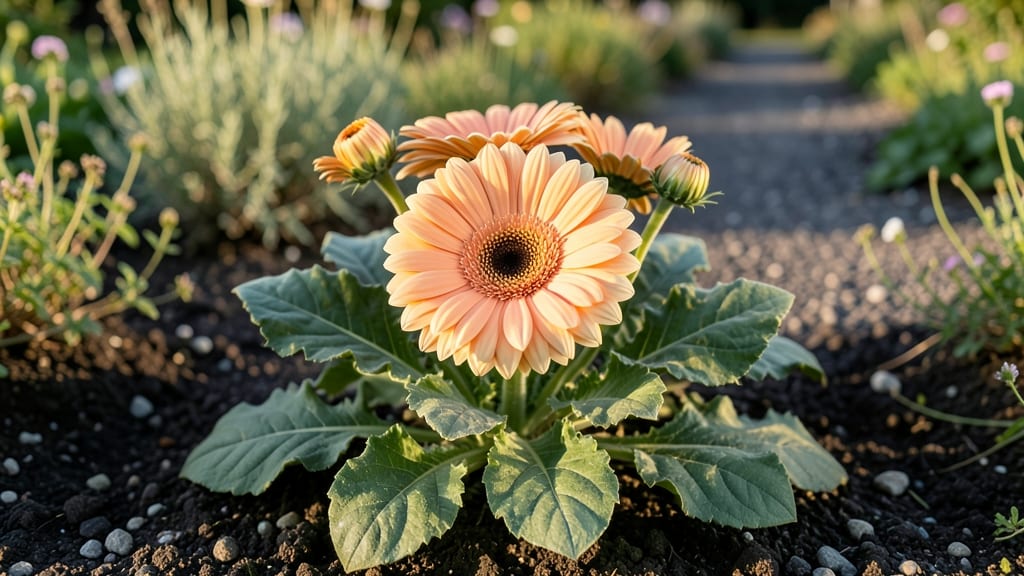
The daisy flowering time varies from late spring through summer 🌼, but the exact timing depends on the variety and your climate zone.
Watching daisies bloom is like nature’s own calendar—each variety unfolds in its own magical window, turning your garden into a year-round spectacle. But when exactly should you expect those cheerful faces to greet the sun?
Perennial daisies like Shasta or Oxeye typically burst into color from June to September in USDA Zone 6a, while Gerbera daisies prefer warmer months, often starting as early as May in the right conditions.
Below, I’ll break down the month-by-month blooming schedule for your favorite varieties, plus pro tips to extend their flowering season and troubleshoot common issues.
When do daisies bloom: month-by-month flowering timeline by variety
Timing your daisy blooms is easier than you think—once you know which variety you're growing! Perennial daisies like Shasta daisies and Oxeye daisies have predictable cycles, while annual varieties like Gerbera daisies follow seasonal cues.
Understanding these patterns helps you plan for peak blooms and extend the season with simple care adjustments.
Your USDA zone plays a huge role in bloom timing. In Zones 5-7, most daisies bloom June through September, while Zones 8-9 can enjoy flowers from May to November.
Even within the same zone, microclimates can shift bloom windows by 2-4 weeks. Let’s break down the best times to plant and when to expect those cheerful faces!
If you're growing Shasta daisies, aim for spring planting (March-April in Zones 5-7) to catch their mid-June to October bloom window. These perennial favorites reward patience with 3-4 weeks of continuous blooms if you deadhead regularly.
For Oxeye daisies, plant in early spring for July-September flowers—perfect for late-summer color when other blooms fade.
Annual varieties like Gerbera daisies follow a different rhythm. Plant them after your last frost date (typically May in Zones 5-7) to enjoy May-October blooms. Since they complete their lifecycle in one season, succession planting every 4-6 weeks keeps your garden vibrant all summer long.
In warmer Zones 8-9, you can stretch their season to April-December!
For Coneflowers (Echinacea), timing is key too. Plant in spring or fall for July-September blooms. These drought-tolerant stars thrive with minimal care, making them ideal for low-maintenance gardens. In Zones 8-9, they may bloom as early as June and extend into October with proper watering.
African daisies are the late-season superstars, blooming from June to October in cooler zones. Plant them in early spring and pinch back young shoots to encourage bushier growth and more blooms.
In Zones 8-9, they often start as early as May, giving you 5 months of color if you provide well-draining soil and full sun.
To extend your daisy season, focus on three key strategies: deadheading (removing spent blooms), regular watering (1 inch per week), and light feeding (balanced fertilizer every 4-6 weeks).
These simple steps can add 2-3 extra weeks of blooms to your favorite varieties. For example, Shasta daisies often rebloom if you
How to extend daisy blooming seasons: pro tips for longer flowers
Daisies are nature’s cheerful ambassadors, but their blooming seasons don’t have to be short-lived. With the right care, you can stretch those bright faces from early summer well into fall—or even coax a second flush in spring.
The secret lies in understanding what your daisies need to keep producing energy for flowers instead of seeds.
Every daisy variety responds best to a mix of pruning techniques, nutrient timing, and watering discipline. For example, Shasta daisies thrive with aggressive deadheading, while Gerbera daisies prefer consistent moisture and balanced fertilizers. Let’s explore the most effective methods to maximize your daisy’s flowering potential.
Extending Daisy Blooming Time: Methods Compared
| Method | Effectiveness | Best For | Effort Level |
|---|---|---|---|
| Deadheading | ⭐⭐⭐⭐⭐ | Perennial daisies (Shasta, Oxeye) | Low |
| Balanced Fertilizer | ⭐⭐⭐⭐ | Gerbera, African daisies | Medium |
| Pruning Back | ⭐⭐⭐⭐ | Tall varieties (e.g., Giant daisies) | Medium |
| Companion Planting | ⭐⭐⭐ | All daisies (pest deterrence) | Low |
| Consistent Watering | ⭐⭐⭐⭐ | Drought-sensitive varieties | Low |
✅ Best results when combined (e.g., deadheading + fertilizer).
Start with deadheading—the simplest way to extend blooms. Snip off spent flowers just above the first set of leaves to redirect the plant’s energy toward new buds. For Shasta daisies, this can add 4-6 weeks to their season if done weekly.
Pair this with a balanced 10-10-10 fertilizer every 4-6 weeks during peak growth (spring to early summer) to fuel continuous blooming.
Watering matters just as much as pruning. Daisies need 1 inch of water weekly, but avoid soggy soil—this triggers fungal diseases that stunt growth. Morning watering prevents evening moisture from lingering on petals, reducing mildew risks.
For Gerbera daisies, slightly more frequent watering (every 3-4 days) keeps their vibrant colors intact.
Don’t overlook the power of companion planting. Pair daisies with marigolds or basil to repel pests like aphids, which drain energy from flowers. Alternatively, plant lavender nearby—its scent deters rabbits while adding fragrance. These pairings create a thriving ecosystem that naturally supports longer blooming cycles.
For tall daisies like Giant varieties, a mid-season pruning in early July can stimulate a second flush of blooms. Cut back stems by one-third to encourage bushier growth. This works best in USDA zones 5-9, where warm fall days extend the growing season.
Combine this with a light mulch layer to retain soil moisture and regulate temperatures.
With these strategies, your daisies will reward you with months-long displays instead of fleeting bursts. The key is consistency—stay diligent with deadheading, feed at the right times, and watch your garden transform into a never-ending bloom parade. 🌼