
Flowers
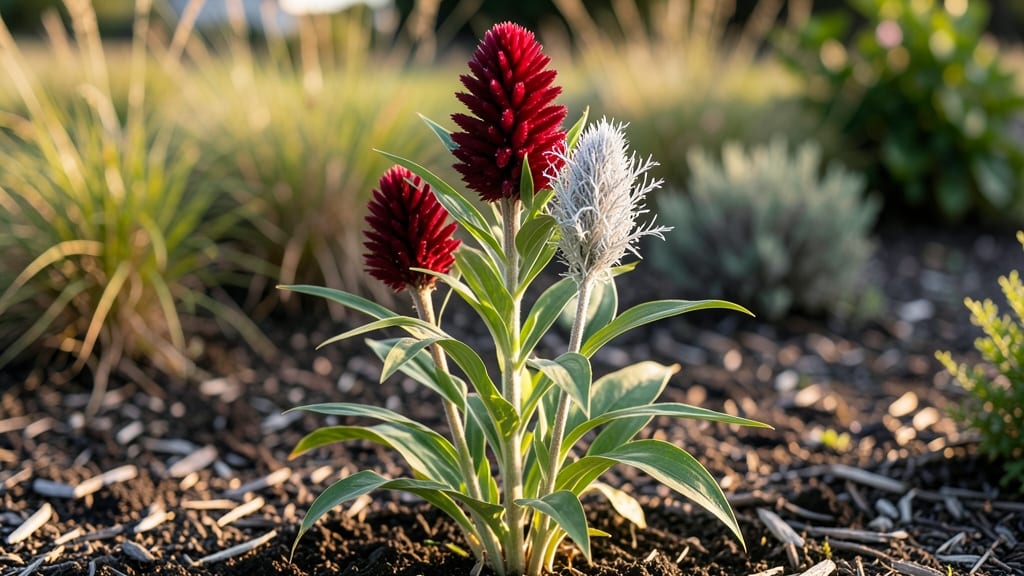
Celosia flower height can turn a cluttered garden bed into a structured masterpiece—or leave you with towering plumes that overwhelm your space.
If you’ve ever struggled to choose between petite celosia varieties that barely peek over garden edges and towering plumes that dominate your flower beds, you’re not alone. The right spacing and variety selection can transform this challenge into a stunning vertical display that thrives in any outdoor space.
From dwarf varieties like 'Tom Thumb' (just 6–12 inches tall) to giant plumes reaching 36+ inches, celosia offers dramatic height contrasts. But knowing how to control growth—whether through pruning, staking, or strategic planting—is the key to a harmonious garden.
In this guide, I’ll break down height ranges by variety, share spacing secrets for different garden types, and show you how to encourage or limit growth naturally. Ready to master celosia’s vertical potential?

Celosia flower height variations: compact vs. towering varieties explained
Choosing the right celosia flower height for your garden can feel overwhelming with varieties ranging from 6-inch dwarfs to 4-foot giants. The good news? Each height category offers unique benefits—whether you need border-edge elegance or dramatic back-of-bed statements.
Let’s break down how to select the perfect celosia height for your space, from container gardens to sprawling landscapes.
Celosia’s height isn’t just about aesthetics—it directly impacts sunlight exposure, airflow circulation, and even bloom longevity. For example, tall varieties like 'Cockscomb Giant' thrive in sunny back rows, while compact types like 'Tom Thumb' shine in front borders or hanging baskets.
Understanding these differences helps you avoid overcrowding and maximize your garden’s visual impact.
Dwarf celosias (6–12 inches) are perfect for urban gardens or small-space planting. These varieties, like 'Tom Thumb' or 'Flame Toss,' mature quickly—typically in 60–75 days—and create lush, low-maintenance displays. Their short stature makes them ideal for edging, window boxes, or even indoor decor when harvested early.
Medium-height celosias (12–24 inches) strike a balance, offering versatility for mixed beds or container arrangements. Varieties like 'New Look' or 'Impulse' reach maturity in 75–90 days and pair beautifully with annuals like marigolds or perennials like salvia. Their moderate height ensures they’re visible without overshadowing shorter plants.
Tall celosias (24–48 inches) bring drama to backyard borders or cut-flower gardens. The 'Cockscomb Giant' variety, for instance, can soar to 36+ inches and thrives in full sun with well-draining soil. These giants often take 90+ days to mature, making them ideal for late-summer color when other annuals fade.
When planning your celosia garden layout, consider how height affects light competition. Tall varieties cast shadows, so place them north of shorter plants in northern hemispheres.
For example, a 3-foot 'Cockscomb Giant' should never be planted near a 6-inch 'Tom Thumb' unless you’re okay with the dwarf being shaded.
Another key factor is soil fertility. Tall celosias often need richer soil to support their height, while dwarf varieties thrive in average garden soil. Amend planting areas with compost if you’re growing towering types, but avoid over-fertilizing dwarfs—it can lead to leggy growth and floppy stems.
For container gardening, choose dwarf or semi-dwarf varieties to prevent root-bound stress. A 12-inch 'New Look' in a 10-inch pot will look stunning, while a 3-foot 'Arizona Sunrise' needs a 14-inch pot or larger to support its height.
Always include drainage holes to prevent root rot, a common issue with taller, heavier celosia stems.
Pro tip: If you love the look of tall celosias but lack space, try pinching back young plants to encourage bushier growth. This technique works best on medium-height varieties like 'Impulse' and can reduce their mature height by 30–50%.
Just pinch off the top set of leaves when plants are 6–8 inches tall to trigger lateral branching.
Finally, don’t overlook celosia’s drought tolerance when planning heights. Taller varieties often have deeper root systems, making them slightly more resilient to dry spells. However, all celosias benefit from consistent moisture during their first
Optimal spacing secrets for celosia by height and garden type
Getting your celosia flower height right isn’t just about aesthetics—it’s about creating a thriving garden where every plant has room to breathe. Dwarf varieties like 'Tom Thumb' (6-12 inches) need tight quarters, while tall plume celosia like 'Cockscomb Giant' (36+ inches) demand generous spacing.
The key? Matching celosia spacing to both variety height and your garden’s layout.
In urban gardens with limited space, compact celosia can thrive in containers or window boxes with just 6-8 inches between plants. But in rural landscapes with open borders, taller varieties need 18-24 inches to avoid competition for sunlight and nutrients.
Let’s break down the perfect spacing for every scenario to maximize airflow, prevent disease, and create stunning visual layers.
For container gardening, dwarf celosia shine in 6-inch pots with 3-4 plants per container. The secret? Use well-draining soil and elevate pots to improve airflow at the base.
In mixed beds, place taller celosia behind shorter perennials like salvias or marigolds to create depth without overcrowding. Pro tip: Group same-height varieties together for a polished look.
In urban gardens where space is tight, vertical gardening is your best friend. Train taller celosia varieties along trellises or fences and space them 12-18 inches apart horizontally. This not only saves space but also adds a dramatic vertical element to small yards.
For rural gardens, embrace the grandeur of tall celosia by spacing them 24+ inches apart in sunny borders where they can fully express their height.
Remember, celosia spacing isn’t just about numbers—it’s about creating a harmonious garden ecosystem. Proper spacing prevents pests and diseases by reducing humidity around foliage, and it ensures every plant gets the sunlight and nutrients it craves.
Whether you’re a city dweller with a balcony or a rural gardener with acres, these spacing secrets will help your celosia thrive and shine.
Start small, observe how your plants grow, and adjust spacing as needed. With the right approach, your celosia will reward you with vibrant blooms and a garden that feels both balanced and breathtaking. 🌸