
Fertilization
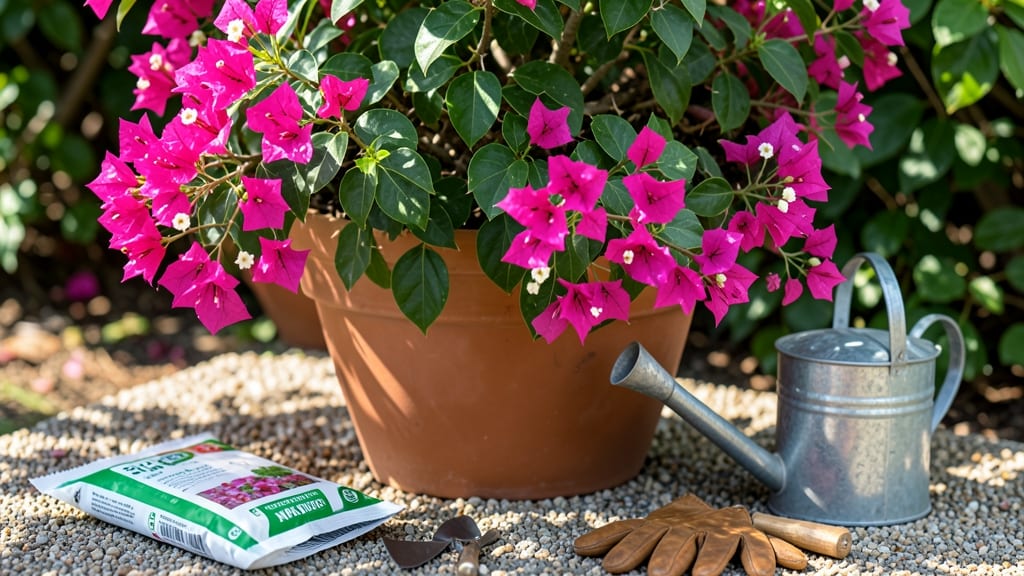
To trigger vibrant bougainvillea flowering 🌸, you need a high-phosphorus fertilizer blend—one that’s tailored to this tropical vine’s love of bold blooms.
Picture this: your bougainvillea throws out lush green vines but refuses to burst into color. The issue isn’t water or sun—it’s the fertilizer. Too much nitrogen fuels leaves, while phosphorus is the real game-changer for those showstopping bracts.
In this guide, I’ll break down the best NPK ratios for bougainvillea, when to feed (hint: timing matters more than you think), and how to avoid common mistakes like over-fertilizing that burn roots.
Whether you’re using organic bone meal or a synthetic 10-20-10 blend, you’ll leave with a step-by-step plan to turn your bougainvillea into a flowering powerhouse.

Why high-phosphorus fertilizer is the key to bougainvillea flowering
If your bougainvillea is throwing more leaves than vibrant blooms, your fertilizer might be the culprit. These tropical vines are phosphorus-hungry plants that need the right NPK ratio to trigger those stunning paper-like bracts we all love.
Phosphorus isn't just for flowers—it's the nutrient that powers root development and energy transfer within the plant, making it essential for both growth and blooming.
Commercial bougainvillea fertilizers often feature high-phosphorus blends like 7-9-5 or 10-20-10 because phosphorus (the middle number in NPK) is directly linked to flower production. Without enough P, your plant will focus on foliage instead of those colorful bracts that make bougainvillea so eye-catching.
Think of phosphorus as the plant's energy drink—it fuels the processes that turn green stems into floral displays.
Here's why phosphorus matters so much for bougainvillea flowering:
| Nutrient Role | Bougainvillea Impact | Ideal NPK Ratio | Signs of Deficiency |
|---|---|---|---|
| Phosphorus (P) | Stimulates flower formation and root growth | 7-9-5 or higher middle number | Purple stems, fewer blooms, stunted growth |
| Nitrogen (N) | Encourages leafy growth (good in moderation) | Lower first number (e.g., 7-9-5) | Yellow leaves, excessive foliage, no flowers |
| Potassium (K) | Strengthens disease resistance and bloom longevity | Moderate last number (e.g., 7-9-5) | Weak stems, poor flower color, wilting |
The NPK ratio on fertilizer bags tells you exactly how much nitrogen, phosphorus, and potassium you're getting. For bougainvillea flowering, look for ratios where the middle number (phosphorus) is equal to or higher than the first number (nitrogen).
A 7-9-5 ratio is ideal because it provides enough phosphorus to trigger blooms without overfeeding nitrogen, which can lead to leafy monsters instead of flowers.
Reading fertilizer labels might seem confusing at first, but it's simple once you know what to look for. The three numbers represent the percentage of each nutrient by weight. For example, a 10-20-10 fertilizer contains 10% nitrogen, 20% phosphorus, and 10% potassium.
The higher the phosphorus number, the more it will promote flowering—just don't go overboard, as too much can burn roots and cause other issues.
Bougainvillea plants are particularly sensitive to phosphorus levels because they're native to phosphorus-rich soils in tropical regions. In our gardens, we often have phosphorus-deficient soils, which is why a high-phosphorus fertilizer becomes essential.
When phosphorus is abundant, your bougainvillea will redirect energy toward producing those showy bracts instead of just green stems. It's like giving your plant a green light to bloom!
One common mistake gardeners make is using a high-nitrogen fertilizer (like lawn food) on bougainvillea. While nitrogen helps leaves grow, it suppresses flowering. That's why you'll often see bougainvillea with lush foliage but no flowers—they're getting too much of the wrong nutrient.
Always check the NPK ratio before applying any fertilizer to your bougainvillea plants, especially if your goal is maximum blooms.
For best results, apply your high-phosphorus fertilizer during the active growing season (spring through early fall) when your bougainvillea is putting out new growth. This timing ensures the phosphorus is available when the plant needs it most to develop flowers.
In cooler months, you can reduce or skip fertilization entirely, as bougainvillea naturally slows down its growth cycle. Think of it like giving your plant a seasonal energy boost when it needs it most.
If you're still not seeing the vibrant blooms you want, consider testing your soil's phosphorus levels with a home soil test kit. Sometimes, even with the right fertilizer, soil pH or compaction can prevent your bougainvillea from absorbing all the phosphorus it needs.
Aim for a pH between 6.0 and 7.0, which is ideal for phosphorus uptake. With the right NPK ratio and proper application timing, your bougainvillea will thank you with a dazzling display of color.
Remember, the key to bougainvillea flowering isn't just about phosphorus—it's about balance. Too much of any nutrient can be
Best high-phosphorus fertilizers for bougainvillea: organic vs. synthetic options
Choosing the right high-phosphorus fertilizer can transform your bougainvillea from a sparse vine to a vibrant flowering powerhouse. These tropical beauties thrive when they receive the right nutrients, especially phosphorus (P), which directly fuels their stunning blooms.
Whether you prefer organic or synthetic options, understanding the differences will help you make an informed decision that aligns with your gardening style and goals.
I’ve tested both organic and synthetic fertilizers on my own bougainvillea, and the results speak for themselves. Organic options like bone meal and fish emulsion offer long-term benefits, while synthetic blends like 10-20-10 provide quick, precise nutrition.
Each has its place, depending on your priorities—whether it’s sustainability, cost, or immediate results. Let’s break down the best options to help your bougainvillea flourish.
Organic Fertilizers for Bougainvillea
High phosphorus (3-15-0), slow-release, improves root growth
Balanced NPK (5-3-2), quick absorption, rich in micronutrients
- Improves soil health
- Slow-release reduces burn risk
- Sustainable and eco-friendly
- Slower results (weeks to months)
- Higher cost per application
- May attract pests if overused
Synthetic Fertilizers for Bougainvillea
Balanced NPK, quick-acting, ideal for flowering
High phosphorus, slow-release granules, perfect for bougainvillea
- Fast, visible results
- Precise nutrient ratios
- Affordable and widely available
- Risk of over-fertilization
- Can harm soil microbiome
- Requires careful application
For immediate blooms, synthetic fertilizers like 10-20-10 are my go-to. They deliver a quick nutrient boost, perfect for when your bougainvillea needs a fast track to flowering. I’ve seen dramatic improvements in just a few weeks after applying this blend.
However, if you’re committed to long-term soil health, organic options like bone meal or fish emulsion are worth the investment. They not only enhance flowering but also improve soil structure over time.
Application methods vary too. Organic fertilizers like bone meal should be worked into the soil around the base of the plant, while synthetic granules can be scattered and lightly watered in.
For liquid options like fish emulsion, dilute and apply to the soil or foliage during early morning hours to avoid leaf burn. Consistency is key—stick to a 4-6 week schedule during the growing season for best results.
Cost is another factor to consider. Organic fertilizers often come with a higher price tag but offer long-term savings by reducing the need for synthetic inputs. Synthetic options, on the other hand, are budget-friendly and provide instant gratification.
If you’re on a tight budget, a 7-9-5 blend is a cost-effective choice that still delivers high phosphorus for those vibrant blooms.
Ultimately, the best fertilizer for your bougainvillea depends on your gardening goals and preferences. Whether you choose organic or synthetic, the key is to provide that high-phosphorus boost at the right time—just as new growth appears and before the flowering season peaks.
With the right approach, your bougainvillea will reward you with a cascade of colorful bracts that will be the envy of your neighborhood. 🌸