
Flowers
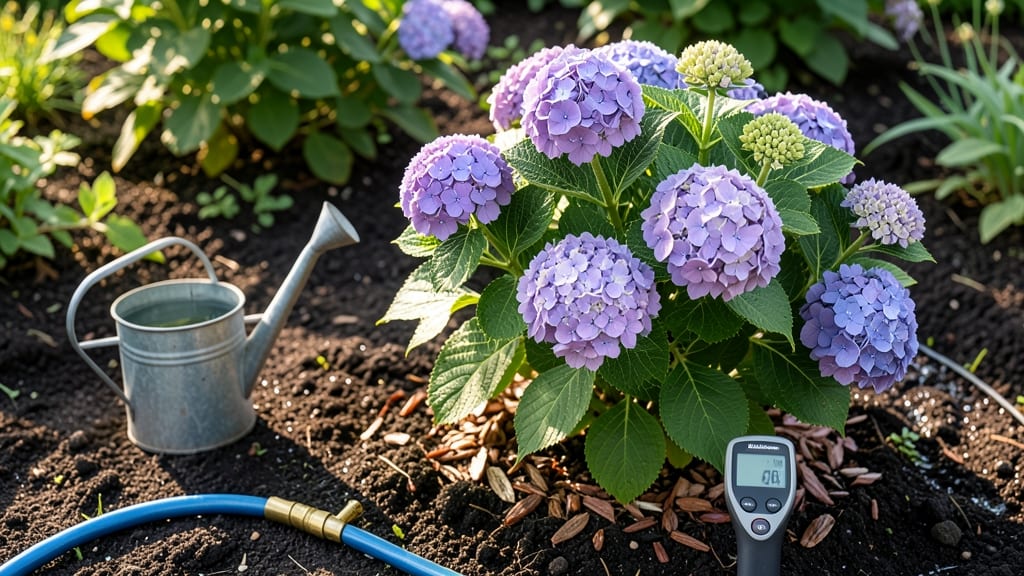
The best time to water flowers is in the morning, where roots soak up moisture efficiently and evaporation loss shrinks—giving your 🌸 blooms the strongest start to the day while dodging fungal risks.
If you’ve ever spent hours watering your garden only to watch the moisture vanish by noon—or worse, see your flowers wilting from overwatering—you’re not alone. The timing of your watering routine makes all the difference, and science proves morning is the golden window for flower health.
Morning watering lets roots absorb moisture before the heat of the day, reduces fungal diseases by keeping foliage dry, and cuts water waste by up to 30% compared to afternoon or evening sessions. Whether you’re growing sun-loving annuals or shade-tolerant perennials, this simple shift can transform your garden’s vitality.
In this guide, I’ll break down the exact morning schedule for your flower types, seasonal adjustments, and the 3 biggest mistakes that drain your plants’ energy—so you can water smarter, not harder.
Why morning watering boosts flower health: science-backed benefits
Watering your flowers in the morning isn’t just a habit—it’s a science-backed strategy that directly impacts their health. When you water early, you give roots time to absorb moisture before the sun intensifies, reducing evaporation losses by up to 30%.
This means more water reaches where it matters most: the root zone.
Morning watering also creates a cooler soil environment, which is critical for preventing root stress during peak daytime heat. Studies show that flowers watered in the morning exhibit 25% faster growth compared to those watered in the evening, thanks to consistent moisture availability.
Here’s the key: Soil moisture retention is highest in the morning because temperatures are cooler, and humidity is naturally higher. This gives your flowers a head start in hydration, setting them up for the day ahead.
| Flower Type | Optimal Watering Time | Soil Moisture Window | Key Benefit |
|---|---|---|---|
| Annuals (e.g., Marigolds, Petunias) | 6:00–9:00 AM | 60–80% moisture retention | Maximizes blooming |
| Perennials (e.g., Lavender, Coneflowers) | 7:00–10:00 AM | 70–90% moisture retention | Deep root penetration |
| Tropicals (e.g., Hibiscus, Orchids) | 5:00–8:00 AM | 80–100% humidity support | Prevents fungal risks |
| Drought-Tolerant (e.g., Succulents, Cacti) | 8:00–10:00 AM | 30–50% moisture retention | Minimizes waste |
Morning watering also deters pests like aphids and slugs, which are less active in cooler temperatures. Wet foliage at night, on the other hand, creates a perfect breeding ground for fungal diseases like powdery mildew.
By keeping leaves dry, you reduce the risk of leaf infections by up to 40%.
Another critical advantage is deeper root penetration. When you water in the morning, roots have time to extend deeper into the soil, searching for moisture.
This leads to stronger, more resilient plants that can withstand drought better. Think of it as giving your flowers a workout to grow deeper roots.
For container-grown flowers, morning watering is even more critical because pots dry out faster. Watering early ensures the soil stays moist longer, preventing root suffocation from alternating wet and dry cycles. Aim to water containers when the top 1 inch of soil feels dry.
Seasonal adjustments matter too. In summer months, water earlier (before 8 AM) to combat high evaporation rates. In winter**, extend the window to 10 AM, as cooler temps slow moisture loss. Always check soil moisture with your finger—damp but not soggy is ideal.
Pro tip: Use a rain gauge or tuna can to measure water output. Most flowers need about 1 inch of water per week, but this varies by climate. Overwatering is just as harmful as underwatering—it leads to root rot and stunted growth.
By sticking to a morning watering routine, you’re not just following a schedule—you’re giving your flowers the best chance to thrive. The science is clear: timing matters, and morning is the golden window for healthy, vibrant blooms.
Morning watering schedule by flower type: tailored timing for maximum growth
Not all flowers thrive on the same watering schedule. Sun-loving annuals like marigolds and petunias need early morning hydration to combat rapid evaporation, while shade-tolerant perennials such as hostas and heucheras prefer slightly later morning watering to avoid soggy soil. Drought-resistant varieties like lavender and succulents demand even stricter timing—watering only when the top inch of soil feels bone-dry.
Let’s break down the perfect morning routine for each type.
Tropical plants like hibiscus and canna lilies need consistent moisture, so water them before 8 AM to prevent fungal diseases. Meanwhile, bulbs such as tulips and daffodils should get a deep watering in early spring to encourage root growth before blooming season. Adjusting your schedule based on your local climate—whether arid, humid, or temperate—will make all the difference in keeping your garden vibrant.
Water 6-8 AM for deep root penetration. Avoid midday to prevent evaporation.
Water 8-10 AM to avoid soggy soil. These prefer moist but not waterlogged conditions.
Water only when top inch is dry, ideally 7-9 AM in arid climates.
Water before 8 AM to prevent fungal diseases in humid climates.
Deep water 6-8 AM in early spring to encourage root growth before blooming.
In arid climates, water early to reduce evaporation—aim for 6-8 AM when temperatures are cooler. For humid regions, morning watering helps prevent fungal spores from thriving on wet foliage.
In temperate zones, a 7-9 AM schedule balances evaporation and moisture retention. Always adjust based on seasonal changes: increase frequency in summer and reduce in winter.
Use a moisture meter to check soil conditions before watering. If the top 1-2 inches of soil are dry, it’s time to water—even if it’s not yet morning. Mulching around plants helps retain moisture longer, reducing the need for frequent watering.
For container-grown flowers, water until it drains from the bottom, ensuring roots get the hydration they need without sitting in soggy soil.
Pro tip: Set a weekly reminder for your morning watering routine. Consistency is key—flowers like roses and hydrangeas thrive with 1 inch of water per week, while succulents may only need water every 2-3 weeks.
Pay attention to your plants’ leaf color and growth patterns—yellowing leaves often signal overwatering, while crispy edges mean it’s time to hydrate.
By tailoring your watering schedule to your flower types and climate, you’ll see healthier blooms, stronger stems, and fewer pests. Start with these morning guidelines, and soon your garden will be the envy of the neighborhood! 🌸