
Flowers
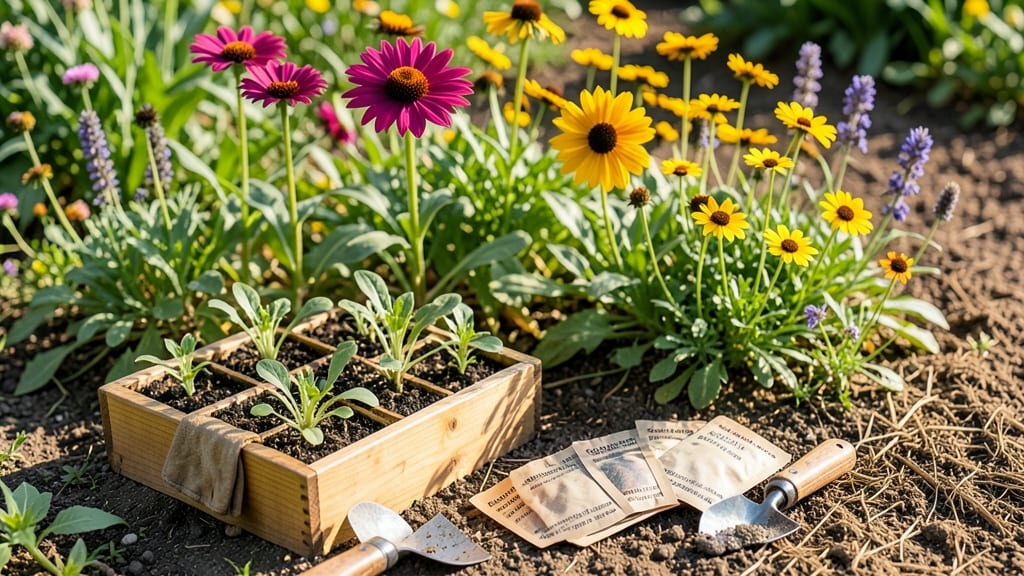
Planting wildflowers in Zone 8 at the right time ensures vibrant blooms all season long 🌼 — aim for early spring or fall when temperatures are mild and rain is reliable.
If you’ve ever scattered seeds in the scorching summer heat only to watch them dry up before sprouting, you know timing is everything. Wildflowers need the perfect balance of moisture and warmth to take root, which is why spring and fall are the sweet spots for Zone 8 gardeners.
In this guide, I’ll break down the best months for planting, how to prep your soil for success, and which varieties thrive in your region’s microclimates. Whether you’re seeding a meadow or a small garden border, these tips will help you avoid common pitfalls and enjoy year-round color.
You’ll also discover how to extend blooms by layering plantings, choose the best seed mixes for your area, and keep your wildflowers healthy with minimal effort. Let’s get those seeds in the ground the right way!
Best planting months for wildflowers in Zone 8 by season
Zone 8 gardeners enjoy mild winters and hot summers, creating unique opportunities for wildflower planting. Unlike cooler climates, your 6-10 month growing season allows flexibility—but timing still matters.
Plant too early, and seeds may rot; too late, and they won’t establish before summer heat. The key is understanding your microclimate and seed dormancy needs.
Most wildflower seeds require stratification (a cold period) to break dormancy, but Zone 8’s mild winters mean some varieties benefit from fall planting to experience natural cold exposure. Others thrive when sown in early spring to avoid summer drought stress. Let’s break down the best planting windows by season.
🌱 Pro Tip: Always check your seed packet for specific dormancy requirements. Some native wildflowers (like black-eyed Susan) handle fall planting beautifully, while annuals (like cosmos) prefer spring.
📋 Visual Guide: Use this seasonal planting chart to plan your wildflower meadow or garden borders.
For spring planting (February–April), aim to sow seeds 4–6 weeks before your last frost date. In Zone 8, this typically means late February to early March for most perennial wildflowers. Annuals like zinnia or marigold can handle slightly later plantings in April.
If you prefer fall planting (August–October), choose native species that thrive in your region. Goldenrod or coneflower planted in September will establish roots before winter and bloom vigorously the following spring. Just ensure seeds are lightly covered (¼ inch) and the soil stays moist until germination.
⚠️ Warning: Avoid planting wildflower seeds in summer’s peak heat (June–August) unless you’re growing heat-loving annuals in partial shade. Most seeds will bake in the soil or fail to germinate. Instead, opt for transplants or wait for fall.
Zone 8’s microclimates add another layer of complexity. Coastal areas stay cooler and wetter, while inland regions can be drier and hotter. Adjust your planting timeline by 1–2 weeks if your garden experiences extreme heat or frequent rains.
For example, inland Zone 8b gardeners might push spring planting to March to avoid summer drought.
After planting, mulch lightly (¼ inch) to retain moisture and suppress weeds. Water deeply 2–3 times per week for the first 4 weeks, then taper to once weekly once seeds sprout. Native wildflowers often need less water once established, but annuals may require consistent moisture.
To maximize blooms, combine spring and fall plantings. For example, sow black-eyed Susans in September for next summer’s blooms, then add cosmos in March for immediate color. This layered approach ensures your garden stays vibrant year-round.
Remember, patience is key—some wildflower seeds lie dormant for 1–2 years before germinating. Don’t be discouraged if you don’t see immediate results
How to extend wildflower blooms year-round in Zone 8
Creating a continuous wildflower display in Zone 8 requires strategic planning to bridge seasonal gaps. By layering succession plantings and selecting long-blooming varieties, you can enjoy vibrant color from early spring through late fall. The key lies in understanding each species' bloom cycle and staggering their planting times.
Zone 8's mild winters and hot summers create unique opportunities for extended blooms. Unlike colder zones, you can plant some varieties in fall for spring blooms or even late summer for fall color.
Native species like black-eyed Susan and purple coneflower naturally extend their bloom periods when given the right conditions.
🌱 5 Key Strategies for Year-Round Wildflower Blooms
- 📅 Plant in three waves: Fall (Sept-Oct) for spring blooms, early spring (Feb-Mar) for summer color, and late summer (Aug) for fall displays
- 🌸 Choose staggered-bloom varieties: Mix early bloomers (poppies) with mid-season (cone flowers) and late-season (goldenrod) species
- 🌡️ Leverage Zone 8's mild winters: Plant cool-season annuals like sweet alyssum in fall for winter/spring blooms
- 💧 Maintain consistent moisture during establishment to ensure strong root development for prolonged blooming
- ✂️ Deadhead strategically: Remove spent blooms from perennials to encourage reblooming, while leaving seed heads on wildflower mixes for natural succession
For succession planting, start by dividing your garden into three sections. Allocate one-third for fall planting (September-October), another for early spring (February-March), and the final third for late summer (August). This rotation ensures continuous color as each section comes into bloom.
Selecting long-blooming varieties is equally important. Native species like Mexican sunflower (Tithonia rotundifolia) and blanket flower (Gaillardia) naturally extend their bloom periods in Zone 8's climate. For annuals, cosmos and zinnias provide vibrant color from summer through early fall when planted in succession.
Don't overlook perennial wildflowers like Russian sage (Perovskia) which blooms from mid-summer through fall. Pair these with early spring bloomers like wild blue phlox (Phlox divaricata) to create seamless transitions between seasons. Mulching with organic matter helps maintain soil moisture and temperature for consistent growth.
Finally, monitor your garden's microclimates. South-facing areas may support earlier plantings, while shadier spots benefit from partial-shade tolerant varieties. With these strategies, your Zone 8 wildflower garden can remain in continuous bloom from late winter through early winter.