
Flowers
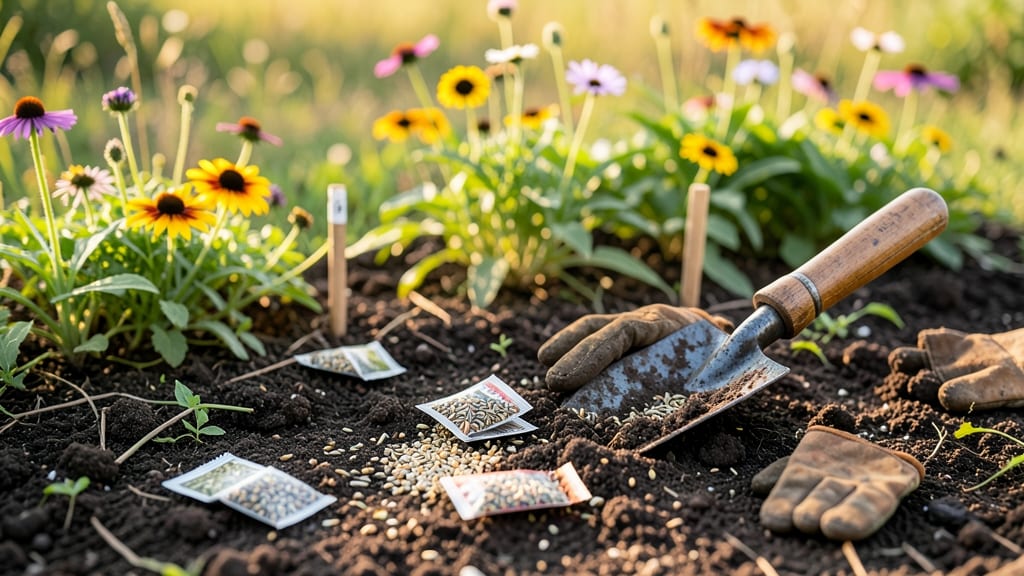
Planting wildflowers in Ohio at the right time ensures your garden bursts into vibrant color by fall 🌼 — aim for early spring or early fall when the soil is workable and frost isn’t a threat.
Ohio’s fall landscapes explode with color when native wildflowers bloom at the right time—but planting them too early or late can mean missed seasons of beauty. Timing is everything for maximizing your meadow’s impact, and Ohio’s unique climate demands precision.
This guide breaks down the best months to plant, from March to April for spring bloomers or September to October for fall varieties. We’ll cover soil prep, frost considerations, and the top native species that thrive in Ohio’s 6a-6b zones.
You’ll learn how to set your wildflowers up for success, whether you’re a beginner or a seasoned gardener. Let’s get those seeds in the ground at the perfect moment!
Ohio wildflower planting timeline by month for best fall blooms
Ohio’s native wildflowers thrive when planted at the perfect time, especially for those stunning fall blooms that attract pollinators until frost. The key lies in understanding Ohio’s USDA zones 6a-6b, where last frost dates typically arrive around April 15 and first frost hits near October 15.
Planting too early risks seedling loss to winter, while late planting may delay blooms until after hard frost.
For peak autumn color, focus on species like black-eyed Susan, purple coneflower, and goldenrod, which bloom from July through October. These perennials establish roots best in early spring (March-April) or early fall (September-October), giving them time to grow before winter dormancy.
Let’s break down the best month-by-month planting strategy for Ohio’s climate.
🌱
| Month | Best Planting Time | Key Species | Soil Prep | Notes |
|---|---|---|---|---|
| March | Early Spring | Black-eyed Susan, Coneflower | Loosen soil, add compost | Seeds need 60°F+ soil to germinate |
| April | Spring Peak | Goldenrod, Butterfly Weed | Test pH (6.0-7.0 ideal) | Avoid planting after May 1 for fall blooms |
| September | Early Fall | Aster, Joe-Pye Weed | Lightly rake seedbed | Seeds need 4-6 weeks to establish |
| October | Late Fall | All species (if soil warm) | Mulch lightly after planting | Stop planting by October 15 to avoid frost |
In March, focus on spring-blooming perennials like black-eyed Susan and coneflower, which need 60°F+ soil to germinate. Loosen the top 6 inches of soil and mix in compost to improve drainage—Ohio’s limestone-rich soil can compact easily.
Plant seeds ¼ inch deep and keep the soil moist until sprouts appear in 2-4 weeks.
By April, shift to goldenrod and butterfly weed, which thrive in Ohio’s full sun conditions. This is your last chance to plant for first-year blooms—anything sown after May 1 will likely bloom in year two.
Test your soil’s pH (ideal range: 6.0-7.0) and adjust with lime if needed, as Ohio’s alkaline soil can stunt growth.
For fall color, September is your prime window. Plant asters and Joe-Pye weed, which need 4-6 weeks to establish roots before winter. Lightly rake the seedbed to create ¼-inch furrows and press seeds into the soil.
Water gently to avoid washing seeds away, and mulch lightly to retain moisture during Ohio’s fall drying spells.
Extend your planting into October only if soil temperatures remain above 50°F. This is risky but can yield extra fall blooms if done carefully. Stop all planting by October 15 to avoid first frost damage.
Cover newly planted areas with straw mulch to protect tender seedlings from early cold snaps, which Ohio’s variable weather can deliver unexpectedly.
Ohio’s wildflower meadows reward patience—those planted in spring often bloom earlier, while fall plantings establish stronger roots for longer vase life. For best results, combine both strategies: sow spring seeds in March and fall seeds in September to create a continuous bloom cycle from June through October.
This staggered approach ensures your garden stays vibrant even as some species fade.
Pro tip: Mark your planting calendar with Ohio’s frost dates—aim for 6
Top 5 Ohio-native wildflowers ranked by fall color impact and planting difficulty
Ohio’s native wildflowers transform fall landscapes into vibrant tapestries—but not all species deliver equal color impact or planting ease. I’ve ranked the top five performers based on their autumn blooms, drought tolerance, and how forgiving they are for beginners.
Whether you’re restoring a meadow or adding pollinator-friendly accents, these species stand out.
For maximum fall color, purple coneflower (Echinacea purpurea) and black-eyed Susan (Rudbeckia hirta) are the undisputed stars, while butterfly weed (Asclepias tuberosa) offers a bold orange contrast. Each species balances beauty with practicality, but their planting difficulty varies wildly—some thrive with minimal effort, while others demand extra care.
Purple coneflower earns the top spot for its long-lasting blooms (September through frost) and adaptability. It’s a pollinator magnet for bees and butterflies, but its tall stature (2–4 ft) means it needs staking in windy Ohio sites. For easiest establishment, black-eyed Susan wins—its seeds germinate reliably in spring or fall, and it self-seeds generously, creating natural drifts.
If you’re chasing low-maintenance champions, goldenrod and partridge pea are my top picks. Goldenrod’s drought-resistant roots thrive in Ohio’s limestone soils, while partridge pea’s nitrogen-fixing abilities improve soil health over time.
The trade-off? Their shorter blooming windows (late summer to early fall) mean less prolonged color compared to coneflowers.
For beginner-friendly options, butterfly weed strikes the perfect balance. Its orange blooms attract monarchs, and its deep taproot makes it drought-proof once established. However, it’s slower to germinate—plant seeds in spring for best results, and avoid heavy clay soils where roots struggle.
Pro tip: Mix butterfly weed seeds with compost to improve germination rates in Ohio’s heavier soils.
To maximize fall color, pair purple coneflower with black-eyed Susan for a two-tone autumn palette. Plant them in full sun (6+ hours daily) and water deeply but infrequently—Ohio’s humid summers can lead to fungal issues if foliage stays wet.
Mulch with straw or leaves to retain moisture and suppress weeds without smothering wildflower seedlings.
Remember: Fall planting (September–October) gives seeds time to establish roots before winter, while spring planting (March–April) ensures blooms by late summer. For instant impact, opt for plugs or bare-root plants instead of seeds—they’ll flower the first year, while seeds may take two seasons to reach peak performance.