
Flowers
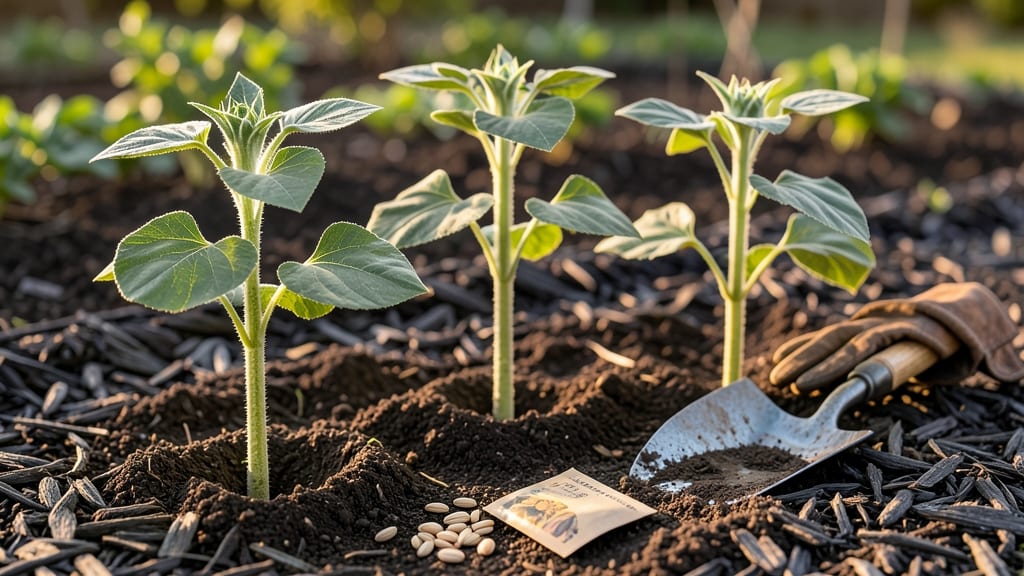
To plant sunflowers in Indiana after the last frost date—typically by April 15—is the key to fast germination and towering blooms 🌻.
Sunflowers bring vibrant color and joy to Indiana gardens—but planting them at the wrong time can mean slow growth, stunted blooms, or even failure. Timing matters more than you think, especially in Indiana’s variable climate where hard frosts linger into spring and summer heat arrives early.
In USDA Zone 6a, waiting until soil temperatures hit 55°F ensures seeds sprout quickly, while rushing them risks frost damage. Below, I’ll break down the exact window for your county, plus the best varieties to beat Indiana’s short growing season.
You’ll discover how to stretch the season with staggered planting, choose cold-hardy seeds, and even salvage a late start with these pro tips for Indiana gardeners.
Indiana sunflower planting calendar: exact dates by hardiness Zone
Indiana’s climate—with its variable frost dates and unpredictable summer heat—makes timing critical for sunflower success. Plant too early, and frost will kill tender seedlings. Plant too late, and your blooms may arrive after the first frost.
The key? Align your planting with soil temperatures and hardiness zones (5, 6, and 7) to maximize germination and growth. Let’s break down the exact windows for each zone, including soil temperature thresholds and frost considerations.
Most Indiana gardeners fall into USDA Zones 5, 6, and 7, each with its own frost timeline. For sunflowers, the ideal soil temperature for germination is 55–65°F. If you plant when soil is cooler than 50°F, germination slows dramatically, and seedlings become vulnerable to rot.
Use a soil thermometer to confirm—it’s the best way to avoid wasted seeds and stunted plants.
Last frost dates in Indiana vary by zone: - Zone 5: Last frost around April 15 (but can linger until May 1) - Zone 6: Last frost around April 1 (but watch for late frosts into mid-April) - Zone 7: Last frost around March 15 (though rare after March 31) First frost typically arrives between October 15–October 30, depending on elevation and microclimates.
| Zone | Last Frost Date | Optimal Planting Window | Soil Temp Threshold | First Frost Risk |
|---|---|---|---|---|
| Zone 5 | April 15–May 1 | May 1–June 1 | 55–65°F | High (late frosts common) |
| Zone 6 | March 31–April 15 | April 15–May 15 | 55–65°F | Moderate (watch for late frosts) |
| Zone 7 | March 15–March 31 | March 30–April 30 | 55–65°F | Low (rare after March 31) |
| All Zones | N/A | Late July (for fall blooms) | 60°F+ | None (harvest before frost) |
For Zone 5 gardeners, the window is tight. Planting before May 1 risks frost damage, while waiting too long may delay blooms until late summer or early fall. Stagger your planting in two batches: one in early May and another in early June.
This ensures continuous blooms and extends your harvest window.
In Zone 6 and 7, you have more flexibility. Zone 6 can start as early as April 15 if soil is warm enough, but always verify with a soil thermometer. Zone 7 gardeners can even plant dwarf varieties in late March if protected from frost with row covers.
For all zones, avoid planting after June 15—sunflowers need 90–120 days to mature, and late plantings risk frost before harvest.
Indiana’s microclimates add another layer of complexity. Urban areas like Indianapolis often experience earlier last frosts than rural zones, while southern Indiana (Zone 7) can see 10–14 days earlier planting windows.
If you’re near a lake or river, expect cooler soil temperatures longer into spring. Use local weather stations or Indiana State Climate Office data to refine your timing.
Heat tolerance is another factor. Sunflowers thrive in warm temperatures (70–85°F), but extreme heat above 90°F can stress plants, especially in Zone 7’s early summer.
If your area experiences early heatwaves, opt for heat-tolerant varieties like ‘Autumn Beauty’ or ‘Moulin Rouge,’ which handle Indiana’s humid summers better than standard types.
Pro tip: Direct sow seeds—sunflowers hate transplanting. Drop seeds 1 inch deep and 6 inches apart, then thin to 12–24 inches as they grow. Use black plastic mulch in Zone 5 to warm soil faster and deter weeds. This simple trick can advance your planting window by
How to adjust sunflower planting for Indiana’s unpredictable weather
Indiana’s weather can throw curveballs—late frosts in May and sudden heatwaves in June make sunflower planting tricky. The key is flexibility. Staggered planting and cold-hardy varieties let you adapt as conditions change. I’ve learned that even a week’s delay can mean the difference between thriving blooms and struggling seedlings.
Start by choosing early-maturing varieties like ‘Autumn Beauty’ if you’re worried about short seasons. These varieties can handle cooler soils and still produce blooms before frost. For extended bloom time, mix in ‘Teddy Bear’ or ‘Moulin Rouge’—they’re more forgiving with temperature swings.
- 🌱 Stagger Plantings: Sow seeds every 2 weeks from mid-April to early June for continuous blooms. Example: Plant 1/3 of seeds in April, 1/3 in May, and the last batch in June.
- ❄️ Use Frost Blankets: Cover young seedlings with frost cloth if nighttime temps drop below 40°F after planting. Remove during the day for sunlight.
- 💧 Mulch Heavily: Apply 3-4 inches of straw mulch after germination to retain moisture and regulate soil temperature. Replenish after rain.
- ☀️ Choose Heat-Tolerant Varieties: Opt for ‘Russian Giant’ or ‘ProCut’—they handle Indiana’s summer heat better than delicate hybrids.
- 🌿 Monitor Soil Moisture: Use a moisture meter to check soil depth. Sunflowers wilt quickly in dry spells; water deeply 1-2 inches per week during droughts.
Don’t assume your garden is uniform—microclimates matter. South-facing beds warm up faster and are safer for early planting, while north-facing spots may need a 2-week delay.
I once planted sunflowers in both locations the same day; the south-facing batch bloomed 10 days earlier and survived a late frost that killed the north-side seedlings.
If an early heatwave arrives, shade young plants with shade cloth (30-50%) to prevent bolting. Once established, sunflowers handle heat well, but seedlings stressed by sudden warmth may flower too quickly, producing small blooms. Consistent moisture is your best defense—dry soil triggers bolting.
For extended harvests, try a fall planting in late July or early August. Choose short-day varieties like ‘Autumn Beauty’, which respond to shorter daylight hours by blooming later. These plants often survive until first frost and provide seeds for next year’s garden.
Finally, keep an eye on the weather forecast and adjust watering schedules. A sudden downpour can leach nutrients, while prolonged dry spells stress plants. Drip irrigation delivers consistent moisture without wetting foliage—critical for preventing powdery mildew, a common issue in Indiana’s humid summers. 🌻