
Plants
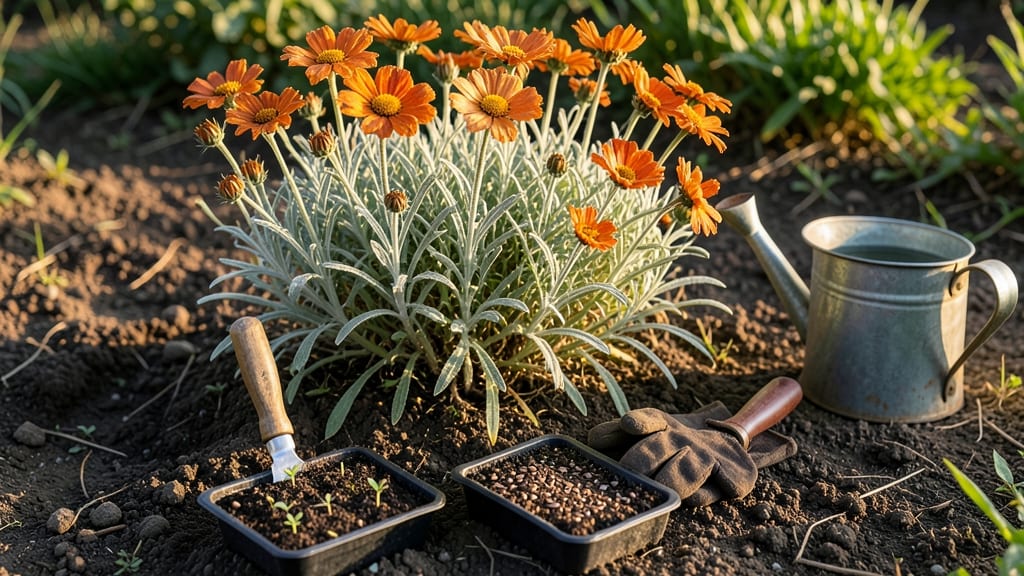
Plant strawflower seeds after your last frost date in spring for vibrant blooms 🌼 that last from summer through fall.
Timing is everything with these drought-resistant beauties — get it wrong, and you might end up with leggy seedlings or flowers that fade too soon. The key is knowing your zone and when the soil warms enough for those seeds to germinate without waiting months.
In USDA Zone 6a (like much of the Midwest), that means aiming for April–May when daytime temps hit 60°F consistently. Warmer climates? Shift your focus to late summer for fall blooms, while cooler zones can start seeds indoors 6–8 weeks before the last frost.
Below, I’ll break down the exact dates by zone, how to prep soil for faster germination, and the one trick that keeps strawflowers blooming all season. Ready to grow these easy-care cut flowers?
Best planting times for strawflower seeds by US hardiness Zones
Strawflowers (Xerochrysum bracteatum) thrive when planted at the right time, but their ideal window varies dramatically across USDA hardiness zones 3-11. These drought-tolerant annuals need warm soil temperatures (60-70°F) to germinate, making timing everything for vibrant blooms.
Whether you're in chilly Zone 3 or tropical Zone 11, understanding your local frost dates and temperature ranges ensures success.
For most gardeners, the best approach is to plant strawflower seeds after your last frost date when nighttime temperatures consistently stay above 50°F (10°C). However, in warmer zones like Zones 8-11, you can even plant in late summer for fall/winter blooms.
Let's break down the exact windows for each zone to help you schedule your planting like a pro.
In Zones 3-4, where winters are harsh, wait until mid-May to early June to plant strawflower seeds directly in the ground. The soil needs to warm up significantly before these seeds will germinate—60-70°F (15-21°C) is ideal.
If you're transplanting seedlings, do it 2-3 weeks after your last frost date to give them time to establish roots before summer heat arrives.
For Zones 5-7, you can start planting as early as late April, but always check your local frost dates. Strawflowers handle light frosts but won't germinate in cold soil.
In Zone 7, you can even push the envelope and plant mid-March if you use row covers to protect young seedlings from unexpected cold snaps.
Gardeners in Zones 8-11 have the advantage of longer growing seasons. Plant in late winter (January-February) for spring blooms, or try a late summer (August-September) planting for stunning fall and winter color.
In tropical Zone 11, you can plant year-round, though blooms may be less prolific during the hottest months.
Pro tip: Use a soil thermometer to confirm your soil is warm enough before planting. Strawflower seeds won't germinate in cold soil, no matter how eager you are! If your soil runs cool, consider using black plastic mulch to warm it up 2-3 weeks faster.
Once you've planted, maintain well-draining soil and full sun (6+ hours daily) to encourage robust growth. Strawflowers are drought-tolerant once established, but consistent moisture during germination (first 2-3 weeks) is key for strong starts.
Indoor vs. outdoor strawflower seed starting: pros, cons, and timing
Deciding whether to start your strawflower seeds indoors or outdoors depends on your climate and desired bloom time. Indoor starting gives you a 4-6 week head start, while direct sowing is simpler and less risky for warm regions.
Let’s break down the key differences to help you choose the best method for your garden.
For gardeners in cooler climates (Zones 3-7), indoor starting is ideal to avoid late frost damage. In warmer zones (8-11), direct sowing after the last frost often works better. The timing of your seedling transition is critical—plant outdoors only after nighttime temperatures stay above 50°F (10°C) consistently.
Indoor Seed Starting
- Earlier blooms (4-6 weeks ahead)
- Controlled germination conditions
- Protection from pests/disease early on
- Requires grow lights or sunny window
- Risk of overcrowding if not thinned
- Hardening-off transition needed
Outdoor Direct Sowing
- No seedling shock from transplanting
- Lower cost (no grow lights)
- Natural hardening process
- Slower growth in cool weather
- Vulnerable to pests early on
- Limited control over spacing
If starting indoors, begin seeds 6-8 weeks before your last frost date. Use seedling trays with well-draining soil and keep them in a warm (70°F/21°C) spot until germination. Once seedlings have 2-3 true leaves, gradually introduce them to outdoor conditions over 7-10 days before transplanting.
For direct sowing, wait until soil temperatures reach 60°F (15°C) and all frost risk has passed. Plant seeds ¼ inch deep, spacing them 12-18 inches apart for full growth. Mulch lightly to retain moisture and suppress weeds, which is especially helpful in dry climates.
Both methods yield beautiful strawflower blooms, but indoor starting is worth the effort if you’re eager for early summer color. For a low-maintenance approach, direct sowing in warm seasons is just as effective and saves time.
🌱 Whether you choose indoor starts or direct sowing, strawflowers reward patience with long-lasting blooms that brighten gardens and bouquets alike.