
Flowers
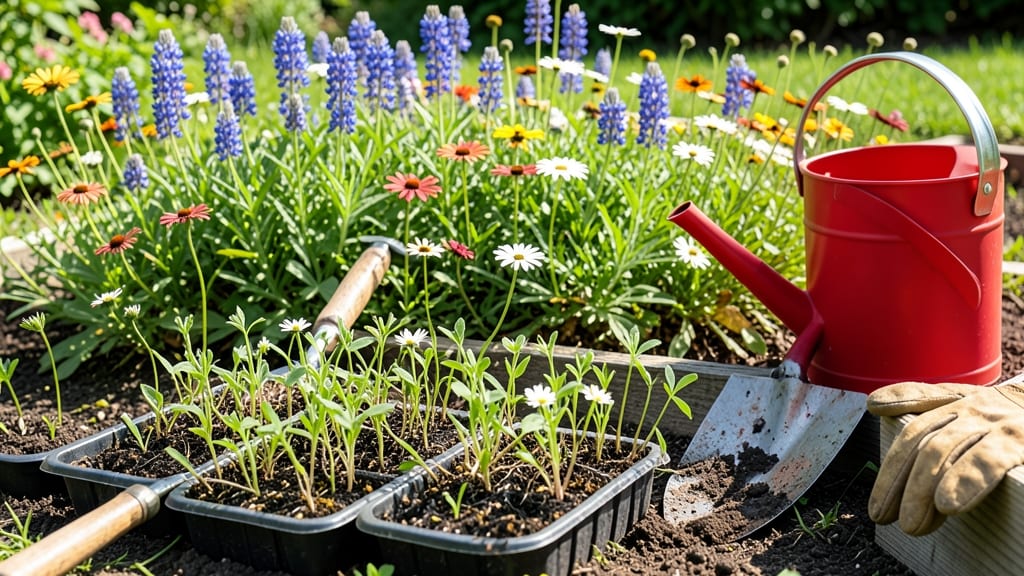
Planting flowers in Texas at the right time means the difference between a garden bursting with color and one that wilts before it even starts 🌸.
Texas gardeners know timing is everything—plant too early, and frost will kill your blooms; too late, and scorching heat stunts growth. But with the right heat-zone strategy, you can enjoy vibrant flowers year-round without guessing when to plant.
In zones 8a-11, frost dates vary wildly—from late January in North Texas to nonexistent in South Texas. That means your spring planting window (February-April) and fall planting window (September-November) shift dramatically depending on where you live.
Below, I break down the exact months to plant annuals, perennials, and bulbs by region, plus pro tips for extending your bloom season—so you never miss a beat.
Texas heat zones explained: best planting months by region
Texas stretches across USDA Hardiness Zones 8a to 11, creating dramatic differences in frost timing and heat intensity. In Zone 8a (North Texas), gardeners face last frost dates around March 15, while Zone 11 (South Texas) enjoys frost-free winters.
These variations mean your spring planting window could be February in the Hill Country but April in the Rio Grande Valley.
Understanding your heat zone is critical for timing annual flowers, perennial transplants, and bulb planting. For example, pansies thrive when planted in fall (October-November) in North Texas but can handle winter planting in South Texas.
Meanwhile, summer-blooming zinnias need to go in the ground after April 15 in most regions to avoid heat stress.
Here’s how to match your location to the perfect planting schedule—including frost-free dates, seasonal microclimates, and the best months for each flower type.
In Zone 8a, where frost lingers until mid-March, I always plant cool-season annuals like pansies in October for winter color. These hardy blooms handle light frosts and provide vibrant displays until March.
Meanwhile, summer heat lovers like lantana and blackfoot daisy go in after the last frost date, typically by April 15.
For Zone 10a and 11, where frost is rare or nonexistent, the key is seasonal rotation. I plant
Top 10 flowers that thrive in Texas heat (with exact planting times)
Texas summers can fry delicate blooms, but these 10 heat-resistant flowers defy the scorching sun with ease. From Lantana’s fiery blooms to Blackfoot Daisy’s drought-proof charm, these plants thrive when others wilt.
The secret? Planting them at the right time—whether it’s spring’s mild warmth or fall’s cooling breeze. Let’s dive into the exact months to plant each variety for maximum blooms.
Before you dig, prep your soil with organic compost and a drainage boost—Texas clay can bake plants alive if water pools. Most of these flowers crave full sun (6+ hours), but a few tolerate partial shade in the hottest zones.
For North Texas (Zone 8a), aim for late February to early April for spring planting, while South Texas (Zone 10a+) can plant year-round with fall being ideal.
Here’s your heat-proof lineup with precise planting windows and care tips: