
Planting
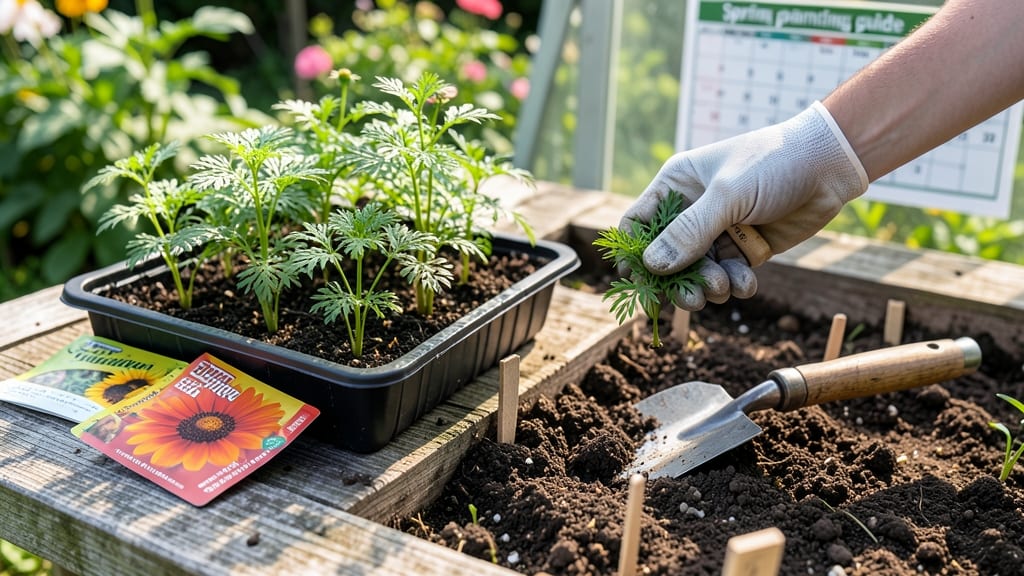
Planting cut flower seeds at the right time ensures long stems and vibrant blooms for your bouquets 🌸 — timing is everything, and a few weeks can mean the difference between a thriving harvest and a wasted season.
Too early and frost will nip your seedlings before they sprout; too late and you’ll miss peak bloom cycles. I’ve seen gardeners rush planting only to watch their dahlias bolt in the heat or their zinnias struggle under late-spring chills.
This guide breaks down the ideal planting windows by USDA zone, including when to start seeds indoors for a head start and how to adjust for your local frost dates.
Whether you’re in Zone 6a or further south, precision timing is the key to a steady supply of cut flowers from June through October.
You’ll learn how to read your seed packets, calculate frost-free days, and use succession planting to stretch your harvest—so you’re never left scrambling for stems when the vase needs filling.
USDA zone planting calendar for cut flower seeds by month
Growing cut flowers from seed requires precision timing to avoid frost damage and maximize bloom cycles. Your USDA zone determines when to plant, with last frost dates as your guide.
In Zones 3-5, start seeds indoors 6-8 weeks before the last frost, while Zones 6-10 allow direct sowing 2-4 weeks earlier. Popular varieties like zinnias and sunflowers thrive with warm soil, so wait until temperatures stay above 50°F (10°C).
For cool-season flowers like snapdragons or calendulas, you can sow seeds in early spring or late summer for fall blooms. Heat-loving dahlias need to wait until soil warms in late spring, while hardy cosmos adapt to a wide range of conditions.
Always check your local frost-free dates—these vary by 1-2 weeks even within the same zone.
🌱 Key Tip: Use a soil thermometer to confirm 60°F (15°C) minimum for most cut flower seeds. If soil is colder, wait or start seeds indoors under grow lights.
| Month | USDA Zones 3-5 | USDA Zones 6-7 | USDA Zones 8-10 | Notes |
|---|---|---|---|---|
| March | Start snapdragons indoors | Direct sow calendulas, pansies | Direct sow cosmos, sunflowers | Cool soil; use row covers |
| April | Transplant zinnias, dahlias indoors | Direct sow zinnias, marigolds | Sow dahlias after last frost | Wait for 50°F (10°C) soil |
| May | Direct sow sunflowers, nasturtiums | Transplant dahlias, gladiolas | Sow late zinnias for fall | Succession plant every 2 weeks |
| June | Sow late cosmos for fall | Direct sow sunflowers for late summer | Sow amaranth, celosia | Heat-tolerant varieties only |
| July-August | Start fall snapdragons indoors | Direct sow calendulas for fall | Sow hardy cosmos for winter | Use shade cloth in Zones 9-10 |
In Zones 3-5, prioritize early-spring sowing for cold-hardy flowers like snapdragons and pansies, then shift to heat-loving varieties in late spring. For example, sunflowers in my Zone 4 garden need to go in after Memorial Day to avoid frost.
Always mark your last frost date—this is your planting deadline for frost-sensitive seeds.
For Zones 6-7, you can direct-sow zinnias and marigolds as early as April, but wait until May for dahlias and gladiolas. My Zone 6 garden produces 3x more blooms when I transplant these tubers after soil reaches 65°F (18°C).
Use a soil thermometer to track progress—cold soil slows germination.
🌿 Pro Tip: In Zones 8-10, take advantage of longer growing seasons by sowing succession crops every 2-3 weeks. For instance, I plant cosmos in March, zinnias in May, and
How to extend your cut flower season with succession planting
Succession planting is my secret weapon for a never-ending supply of long-stemmed cut flowers. By staggering plantings every 2-3 weeks, you can enjoy blooms from early summer through fall—and even into winter with the right varieties.
The key lies in understanding heat-tolerant and cold-hardy flowers, plus timing your second and third batches perfectly.
Think of your garden as a bloom factory running on a conveyor belt. When the first batch of zinnias or sunflowers starts fading, your second planting takes over.
For fall harvests, focus on varieties like cosmos and black-eyed Susans, which thrive in cooler temperatures and often bloom later into the season.
🌱 Numbered Highlights: When to Plant Cut Flower Seeds for Extended Blooms
- 🌱 First Batch: Sow heat-lovers like zinnias and cosmos 4-6 weeks before last frost (typically March-April in Zones 5-8).
- 🌿 Second Batch: Plant medium-season flowers (e.g., snapdragons, statice) 2-3 weeks after first harvest—usually late May-June.
- 🌼 Third Batch: Choose cool-season varieties (e.g., sweet peas, calendula) 6-8 weeks before first frost (typically July-August).
- ❄️ Fall Harvest: Extend blooms into October-November with cold-hardy flowers like asters and chrysanthemums, planted in mid-summer.
For late-summer heat waves, prioritize drought-tolerant varieties like celosia or gomphrena. These thrive when temperatures soar and keep producing even when other flowers wilt. I’ve found that planting these in early July gives me blooms just as zinnias start to decline.
Don’t overlook fall succession planting—it’s your ticket to holiday bouquets. Start with sweet peas in late summer (they need time to establish roots before winter). Add pansies and stock in early fall for cheerful winter color.
These varieties handle light frosts and reward you with fresh stems even when other gardens are bare.
Pro tip: Keep a planting journal to track which varieties perform best in your climate. Note the days to maturity for each type and adjust your schedule accordingly. Over time, you’ll fine-tune your succession planting calendar to match your local frost dates and microclimate.
With this approach, you’ll transform your garden into a year-round bloom machine, ensuring no shortage of long-stemmed beauty for your vases. Happy planting! 🌻