
Fertilization
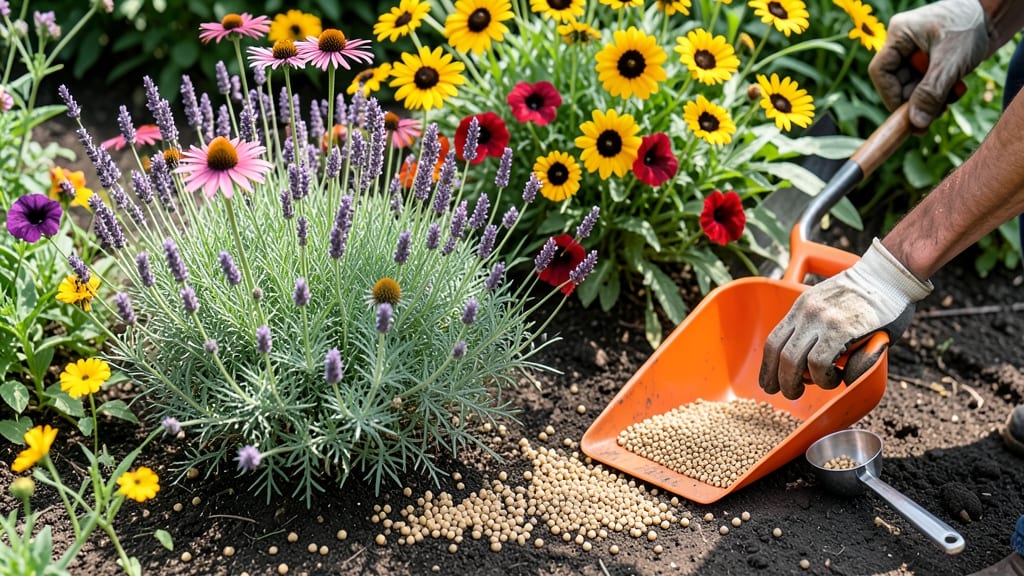
To fertilize flowers at the right time means feeding them when they’re hungry—not when they’re already full or dormant.
Struggling to keep your flower beds vibrant and blooming all season? Timing your fertilization correctly can make the difference between wilted stems and lush, thriving blossoms—here’s the science-backed schedule you’ve been missing.
Most gardeners overlook the fact that flowers need different care at different stages: a heavy feed in spring to kickstart growth, lighter touches in summer to sustain blooms, and almost nothing in winter when they’re resting.
Get it wrong, and you’ll end up with weak stems, faded petals, or even burnt roots.
In this guide, I’ll walk you through the month-by-month fertilization plan for your flowers, whether you’re growing annuals, perennials, or bulbs. You’ll also discover how to spot when your plants are truly hungry (or overfed) and which fertilizers work best for each season.

Best monthly fertilization schedule for flowers by season
Timing your flower fertilization isn't just about throwing down fertilizer—it's about syncing with your plants' natural growth cycles. Annuals, perennials, and bulbs all have different needs, and seasonal shifts dramatically change what your flowers require.
In spring, we focus on root establishment, while summer demands bloom support. Fall is about preparing for dormancy, and winter? That's the no-fertilizer zone.
I've learned the hard way that over-fertilizing in winter can burn roots, while skipping spring feeds leaves plants struggling to establish. The key is understanding when to feed, light feed, or skip entirely—and how organic vs. synthetic fertilizers fit into this schedule.
Let's break it down by season so you can give your flowers exactly what they need, when they need it.
📅 Pro Tip: Always water your soil 24 hours before fertilizing to prevent root burn. And remember: Morning applications give nutrients time to soak in before evening heat.
| Month | Annuals | Perennials | Bulbs | Fertilizer Type | Notes |
|---|---|---|---|---|---|
| January | Skip | Skip | Skip | N/A | Dormancy period - avoid all fertilizer |
| February | Light feed (organic) | Skip | Skip | Fish emulsion | Pre-planting prep for warm-season annuals |
| March | Feed (synthetic) | Feed (organic) | Skip | 10-10-10 | Plant annuals + early perennials |
| April | Feed (organic) | Feed (balanced) | Light feed (phosphorus) | Bone meal | Peak growth phase - focus on blooms |
| May | Feed (synthetic) | Light feed | Skip | Slow-release granules | Established plants need maintenance feeding |
| June | Light feed (organic) | Light feed | Skip |
Signs your flowers need fertilizer (and when to skip it)Even the most vibrant flower beds can show subtle signs they're hungry for nutrients. Yellowing leaves between veins often signal nitrogen deficiency, while purple stems point to phosphorus shortages. These visual cues tell you it's time to feed your blooms—but timing matters just as much as what you use. Before reaching for fertilizer, check for other stress factors like underwatering or poor soil drainage. Many gardeners mistakenly fertilize when their plants simply need better care. For example, wilted petals could mean thirsty roots rather than nutrient starvation. ⚠️ callout warning ⚠️ ⚠️ When NOT to Fertilize Flowers
Pro Tip: Test soil pH first—flowers thrive in 6.0-7.0 range. Acidic soil locks out nutrients even with fertilizer. Over-fertilizing causes just as many problems as underfeeding. Brown leaf tips or crispy edges often mean fertilizer burn, while excessive foliage at the expense of blooms signals too much nitrogen. Always follow package rates—half-strength applications work better for most flowers. For newly planted flowers, wait 4-6 weeks before fertilizing to avoid shocking tender roots. Instead, focus on mulching with compost to gradually release nutrients. My petunias always bloom better when I hold off until they've established roots. Seasonal cues matter too. Spring feedings should focus on root development, while summer applications should emphasize bloom production. In fall, a light feeding helps perennials store energy for next year's growth. Remember that organic fertilizers like compost tea or fish emulsion release nutrients slowly, while synthetic granules work faster. Match your fertilizer to your plant's needs—and always water thoroughly after applying to prevent root damage. |