
Flowers
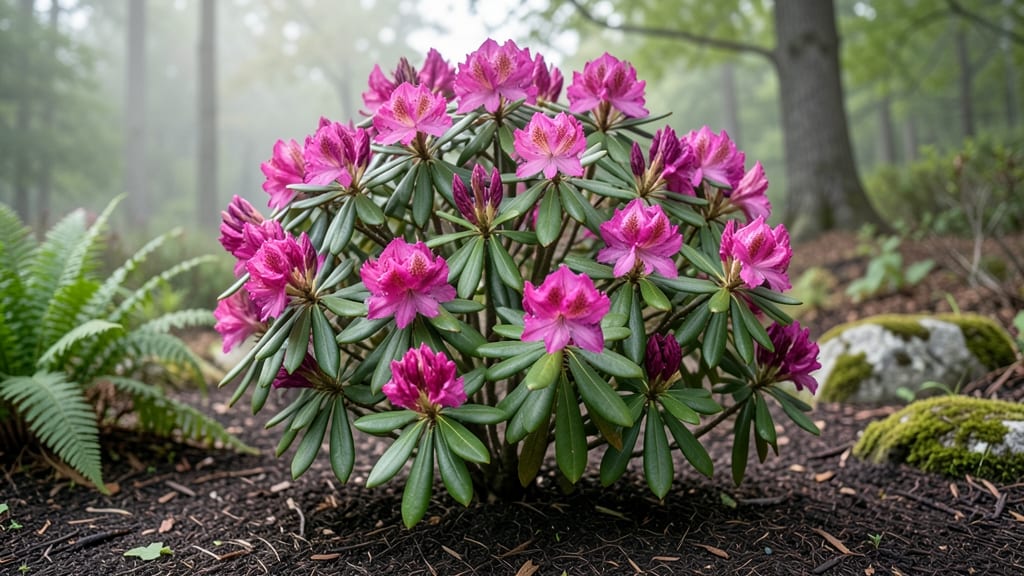
Rhododendrons flower when the days lengthen and the soil warms, typically between late April and June, though your exact timing depends on your USDA zone and the variety you’ve planted.
Timing your rhododendron blooms isn’t just about aesthetics—it’s about creating a garden showstopper that thrives in your climate. But when exactly should you expect those vibrant clusters of flowers to appear? The answer depends on your USDA zone, and getting it right means planning for peak seasonal impact.
In cooler regions like Zone 6a, where many gardeners live, blooms often kick off in May and last through early June, while warmer zones like Zone 8 may see flowers as early as March or as late as July.
Even within the same zone, early bloomers like 'Catawbiense' might surprise you with flowers in April, while late varieties like 'Annabel' hold onto theirs well into summer.
Here’s the key: knowing your zone and variety helps you time pruning, fertilizing, and even watering for longer, more vibrant blooms. Whether you’re in the Pacific Northwest or the Southeast, you’ll learn exactly how to keep your rhododendrons 🌸 thriving—and when to expect that burst of color every year.
Rhododendron blooming months by USDA Zone: a detailed timeline
Rhododendrons are famous for their spectacular spring blooms, but their exact flowering time varies dramatically depending on your USDA zone. In colder zones like Zone 4, buds burst in late May, while in warmer Zone 9, blooms may appear as early as February.
Understanding these patterns helps you choose the right varieties and plan your garden for maximum impact.
Regional microclimates also play a role—Pacific Northwest gardens often see earlier blooms than those in the Southeast due to cooler maritime influences. Even within the same zone, elevation and local weather can shift bloom times by weeks.
For example, a Zone 7 rhododendron in the Appalachians may flower two weeks earlier than one in the Piedmont region.
If you live in Zone 4 or 5, focus on late-season varieties like 'Nova Zembla' or 'PJM', which thrive in cooler climates. These cultivars often produce their best blooms in June when temperatures stabilize.
In Zone 6 and above, early bloomers such as 'Annabel' or 'Catawbiense' shine, offering vibrant displays as early as February in warmer regions.
For gardeners in Zone 8 and 9, consider fall-blooming varieties like 'Roseum Elegans', which can produce a second flush of flowers in September or October. This extends your rhododendron season and adds visual interest when many other plants have finished blooming.
Just be mindful that late blooms may face frost risks in transitional zones.
To maximize your rhododendron's bloom potential, time your spring fertilization for early March in most zones, giving roots energy to push out buds. In Zone 9, a light feeding in January can encourage early blooms.
Avoid heavy fertilizing in late summer, as this can stimulate tender new growth vulnerable to fall frosts in cooler zones.
Regional variations matter—Pacific Northwest gardens often see rhododendrons bloom 2-3 weeks earlier than those in the Southeast due to milder winters. For example, a Zone 7 rhododendron in Portland, Oregon, might flower in late April, while one in Atlanta, Georgia, could wait until early May.
Adjust your expectations based on local climate patterns and microclimates in your area.
Pro tip: Plant early, mid, and late-season varieties together to create a continuous display. For instance, pair 'Nova Zembla' (late bloomer) with 'Annabel'
How to extend rhododendron blooms: pruning and care tips for longer flowers
Your rhododendrons deserve to shine longer than just a few weeks! With the right pruning techniques and seasonal care, you can stretch those stunning blooms by 3-4 weeks or more.
The key lies in understanding when and how to trim, plus a few soil and watering secrets that keep your plants thriving. Let’s unlock the secrets to a rhododendron that stays in peak bloom for months.
First, timing is everything. Most rhododendrons bloom in late spring to early summer, but with proper care, you can encourage a second flush of flowers later in the season. Start by focusing on deadheading spent blooms—this simple step tricks your plant into producing new buds.
Pair that with acidic soil maintenance and you’ll see a dramatic difference in bloom duration. Let’s dive into the exact steps to maximize your rhododendron’s floral performance.
- 1 Late Spring Bloomers: Most varieties (like 'Catawbiense') flower in May-June after last frost. In USDA Zones 5-7, expect blooms by mid-May if planted in partial shade.
- 2 Early Summer Extenders: Varieties like 'Annabel' bloom in June-July. In Zones 8-9, they often start as early as late April due to milder winters, stretching blooms until August with proper care.
- 3 Fall Rebloomers: Some varieties (e.g., 'PJM') produce a second flush in September-October. This happens naturally in cooler climates (Zones 4-6) where summer heat is less intense.
- 4 Climate Impact: In humid Southeast zones (8-9), blooms may appear 2-3 weeks earlier than in drier Western zones (7-8). Adjust watering to prevent stress-induced early blooming.
Now that you know the ideal bloom windows, let’s talk pruning strategies to extend those flowers. The golden rule: never prune after mid-June if you want to preserve current blooms. Instead, focus on light shaping in early spring to encourage bushier growth.
Use clean, sharp shears to make cuts just above a bud or leaf node, and avoid heavy pruning—this can remove next year’s flower buds.
Soil pH is another game-changer. Rhododendrons thrive in acidic soil (pH 4.5-6.0). If your soil is too alkaline, blooms will be sparse and short-lived. Test your soil annually and amend with peat moss or sulfur if needed.
Pair this with a slow-release acid-loving fertilizer in early spring to give your plants the nutrients they need for prolonged flowering. Water deeply once a week during dry spells, but avoid soggy soil—root rot is a silent bloom killer.
For a second flush of blooms, try this trick: After the first flowers fade, deadhead only 50% of the spent blooms. Leave some seed pods intact—they signal the plant to produce new buds.
In warmer climates (Zones 8-9), you might even see a fall rebloom if you provide afternoon shade to protect flowers from intense heat. Mulch around the base with pine needles or oak leaves to retain moisture and acidity.
Finally, watch for pests like lace bugs or spider mites, which can stress your rhododendron and shorten bloom time. Treat infestations early with neem oil or insecticidal soap, and keep your plants healthy with regular mulching and proper watering.
With these tips, your rhododendron will reward you with longer, more vibrant blooms season after season. 🌸