
Flowers
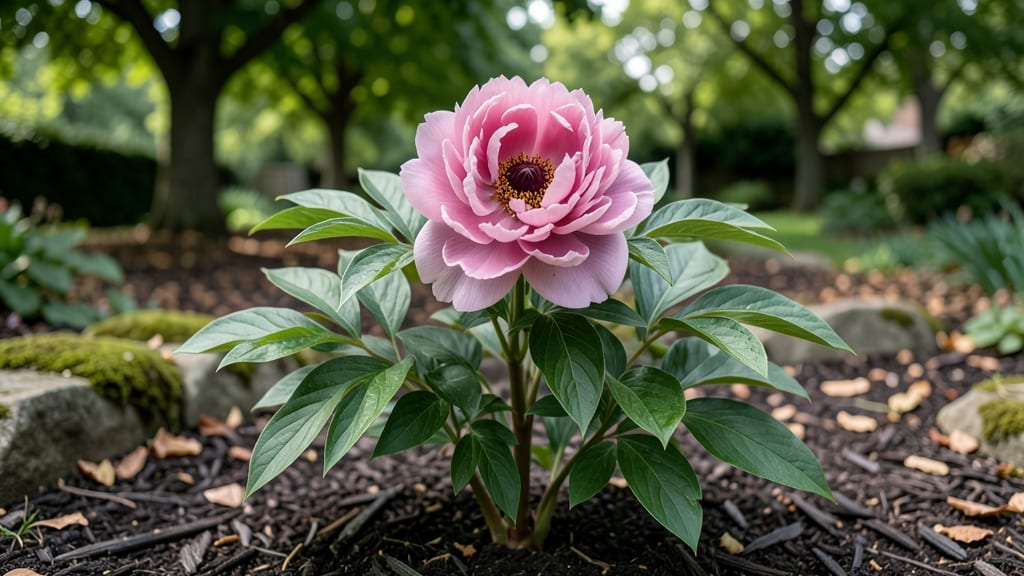
Peonies flower in late spring to early summer, a 3-4 week window that turns your garden into a fragrant masterpiece 🌸.
But here’s the catch: that exact timing shifts by weeks depending on your zone—planting in Zone 5? Expect blooms by early May. In Zone 8, they’ll wait until June. Miss the window, and you might end up with buds that never open, or worse, no flowers at all.
This guide breaks down the month-by-month blooming schedule for your climate, plus the simple tweaks (like sunlight and pruning) that can push those show-stopping blooms earlier—or keep them coming longer.
Whether you’re a first-time grower or a seasoned gardener, you’ll learn how to sync your peony’s schedule with your calendar so you never miss another season of lush, fragrant perfection.
Peony blooming timeline by USDA climate zones: month-by-month guide
Peonies burst into bloom like nature’s most luxurious showstoppers, but their exact timing shifts dramatically based on your USDA climate zone.
In Zone 3, you might catch early blooms as early as late May, while gardeners in Zone 9 may enjoy their peony parade stretching into June. Understanding these variations lets you plan your garden for maximum impact—whether you're arranging cut flowers or admiring them in situ.
The Pacific Northwest often sees blooms arrive 1-2 weeks earlier than the national average due to cooler springs, while the Deep South may experience delayed flowering until late May or early June.
Even within the same zone, microclimates (like urban heat islands or sheltered valleys) can push blooms forward or backward. Let’s break down what to expect in your neck of the woods.
| USDA Zone | Early Varieties | Mid-Season | Late Varieties | Regional Note |
|---|---|---|---|---|
| 3-4 | Late May | Early June | Mid-June | Cooler springs delay blooms by 7-10 days |
| 5-6 | Early May | Late May | Early June | Ideal for classic peony varieties |
| 7-8 | Mid-April | May | Late May | Heat-sensitive; mulch to protect roots |
| 9 | Late March | Early April | Mid-April | Early blooms risk frost damage; plant in sheltered spots |
In USDA Zones 3-4, where winters are harsh, peonies often wait until late May or early June to bloom.
This delay gives the soil time to warm up after frost. Early bloomers like 'Sarah Bernhardt' or 'Bowl of Beauty' may push their petals open as early as late May, but late varieties like 'Duchesse de Nemours' might not peak until mid-June.
The key here is patience—these zones reward gardeners with longer-lasting blooms due to cooler temperatures.
Gardeners in Zones 5-6 enjoy the classic peony season, with blooms typically spanning from early May to early June. This is prime time for cut flower arrangements, as peonies in these zones often produce larger, more robust blooms.
Varieties like 'Coral Charm' and 'Krinkled White' thrive here, offering a mix of early and mid-season color. If you're in Zone 6, don’t be surprised if a sudden cold snap delays blooms by a week or two.
For those in Zones 7-8, peonies can be a bit fickle due to heat sensitivity. Early bloomers like 'Bartzella' may appear as early as mid-April, but late varieties might struggle in intense summer heat.
To combat this, I recommend mulching heavily in early spring to retain soil moisture and protect roots. In the Deep South, Zone 8 gardeners often see a second flush of blooms in fall, especially with tree peonies.
If you live in Zone 9, you’re in a unique position to enjoy peonies earlier than anywhere else—sometimes as early as late March. However, this early start comes with risks, as late frosts can
How to extend peony blooming season: pro tips for longer flowers
Peonies are famous for their lush, fragrant blooms, but their flowering window can feel disappointingly short. The good news? With a few science-backed strategies, you can coax your peonies to bloom earlier, later, or even stagger their flowering for months of color.
The secret lies in understanding their natural triggers—soil temperature, light exposure, and pruning timing. Let’s dive into the methods that work.
First, know that peonies are temperature-sensitive. They need 60-70°F soil temps to break dormancy and push buds. In cooler climates, this might mean waiting until late May, while warmer zones see blooms as early as April.
By manipulating these factors, you can shift bloom times by 2-4 weeks. The key is patience—peonies reward careful gardeners with longer, more abundant displays when given the right conditions.
- 🌱 Soil Temperature: Use black plastic mulch in early spring to warm soil 5-10°F faster, triggering earlier blooms. Remove it once buds form to prevent overheating.
- ✂️ Pruning Timing: Cut back foliage after flowering (late June) to store energy for next year’s blooms. Avoid pruning in fall—this can delay spring growth.
- 💧 Watering Schedule: Deep water every 7-10 days during bud formation (April-May). Drought stress can cause buds to abort, shortening your bloom time.
- ☀️ Light Exposure: Plant in full sun (6+ hours/day). Partial shade delays blooming by 1-2 weeks. South-facing beds get the earliest flowers.
- 🌷 Variety Selection: Choose early bloomers like ‘Sarah Bernhardt’ (April-May) or late varieties like ‘Duchesse de Nemours’ (June). Mix types for a 6-week bloom window.
For staggered blooming, plant a mix of early, mid, and late varieties. For example, pair ‘Bowl of Beauty’ (May) with ‘Coral Charm’ (June) to extend your peony show.
Another trick? Divide established clumps every 3-5 years. Younger divisions bloom 1-2 weeks earlier than mature plants, giving you a natural succession of color.
Watering plays a critical role in prolonging blooms. Peonies need consistent moisture during bud development but drainage that prevents rot. I water mine deeply every 7-10 days in spring, using a soaker hose to avoid wetting foliage (which invites fungal diseases).
Mulch with 2-3 inches of straw to retain moisture and regulate soil temps—this keeps buds happy longer.
Finally, avoid heavy fertilizing in late summer. Too much nitrogen promotes leafy growth at the expense of next year’s blooms. Instead, feed lightly with a low-nitrogen, high-phosphorus fertilizer (like 5-10-10) in early spring.
This ensures your peonies focus energy on bud formation rather than foliage. With these tweaks, you’ll enjoy peony blooms from late April to July—or even longer in ideal conditions!
Remember, peonies are perennials with patience. The first year after planting, they may skip flowering entirely as they establish roots. But with the right care, your second and third years will reward you with showstopping, extended blooms that turn heads every season. 🌸