
Flowers
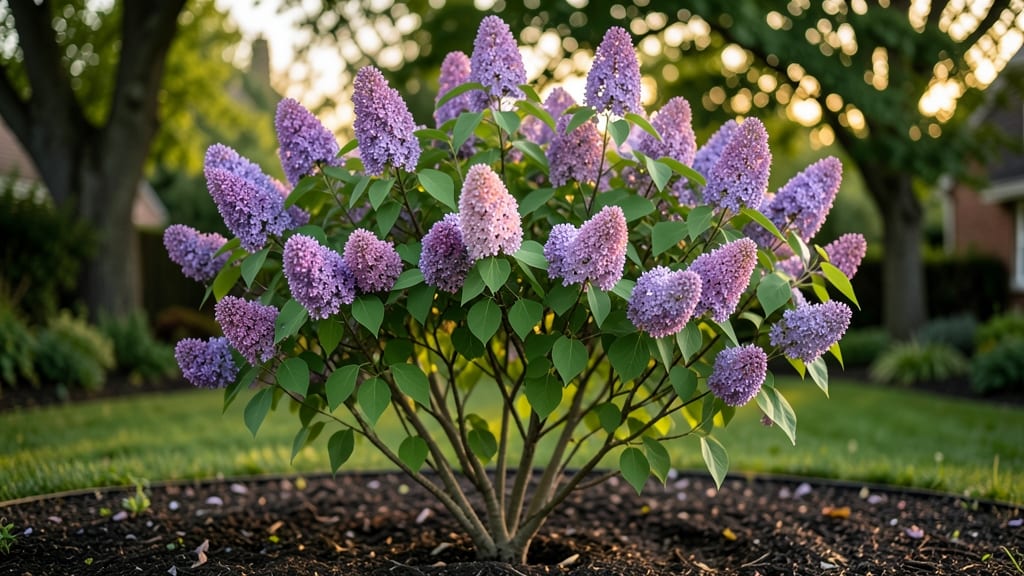
Lilac flowers bloom in late spring 🌸, but the exact timing depends on your US hardiness zone and the variety you’ve planted.
If you’ve ever wondered why your lilac bush isn’t blooming when your neighbor’s is in full glory, the answer lies in your US hardiness zone—and timing matters more than you think.
In Zone 6a, where lilacs thrive, buds typically swell in early April, with flowers opening by mid-May. But in warmer zones like 8 or 9, blooms can arrive as early as March, while colder zones like 3 or 4 might see flowers in June.
Discover how climate, variety, and even pruning habits can shift your lilac’s schedule—and learn 3 simple tricks to encourage earlier or later blooms for a show-stopping display every year.
Lilac flowering months by US hardiness Zone: exact timeline
Lilacs are one of the most beloved spring shrubs, but their blooming schedule varies dramatically across the U.S. thanks to hardiness zones and regional microclimates. In Zone 3, you might see flowers as early as late April, while Zone 9 lilacs often bloom in March.
Understanding these patterns helps you plan for the best flowering display and avoid disappointment when your neighbor’s lilac bursts into bloom weeks before yours.
The key factors influencing lilac timing are chill hours (cold winter periods needed to trigger buds) and last frost dates. For example, Pacific Northwest lilacs often bloom earlier than Midwest varieties due to milder winters.
Meanwhile, Southeast lilacs may struggle in extreme heat, delaying their schedule. Let’s break down the exact monthly bloom windows by zone so you can predict—and even influence—your lilac’s schedule.
⚠️ PRO TIP: Most lilacs bloom on old wood (last year’s growth), so pruning after flowering is critical. Prune too early, and you risk cutting off next year’s buds!
If you live in the Pacific Northwest, your lilacs might bloom as early as late March in Zone 7, thanks to milder winters and maritime influences. In contrast, Midwest gardeners in Zone 5 often see flowers in mid-May, aligning with last frost dates.
Meanwhile, Southeast lilacs in Zone 8 may struggle with heat, pushing blooms to February—but only if they receive enough winter chill.
For Zone 9 gardeners, traditional lilacs may fail to bloom without chill hours. Opt for chill-seeking varieties like ‘Dwarf Korean’ or ‘Miss Kim’, which tolerate 300–500 chill hours compared to standard lilacs’
How climate affects lilac blooming: why timing varies so widely
Your lilac’s bloom schedule isn’t set in stone—it’s a delicate dance between winter chill hours, last frost dates, and even your backyard’s microclimate. While most lilacs burst into color in late April to early May, I’ve seen neighbors in the same neighborhood bloom weeks apart.
The reason? Climate quirks that shift timing by 3-4 weeks or more.
Lilacs need 600-1,000 hours of winter chill (temperatures between 32-45°F) to trigger buds. Skip that, and you’ll get sparse or late blooms. Add early spring warmth to the mix, and buds might open too early, risking frost damage.
Even a 5°F warmer March can push blooms forward by 10-14 days.
Here’s how climate factors stack up to delay or advance your lilac’s show:
To sync your lilac’s blooms with your neighbors’, start by checking your USDA zone and average frost dates. Plant dwarf varieties (e.g., ‘Minnesota Snowflake’) in warmer zones to avoid heat stress, or opt for hardy hybrids like ‘Dwarf Korean Lilac’ in colder climates.
A south-facing location with well-draining soil will also help.
Pro tip: If your lilac blooms too early, prune 1/3 of the oldest stems after flowering to redirect energy to later buds. For late bloomers, add mulch in fall to protect roots and ensure consistent chill hours.
Climate isn’t destiny—with the right adjustments, you can nudge your lilac’s schedule by weeks and enjoy that fragrant spring display right on cue. 🌸