Blooming
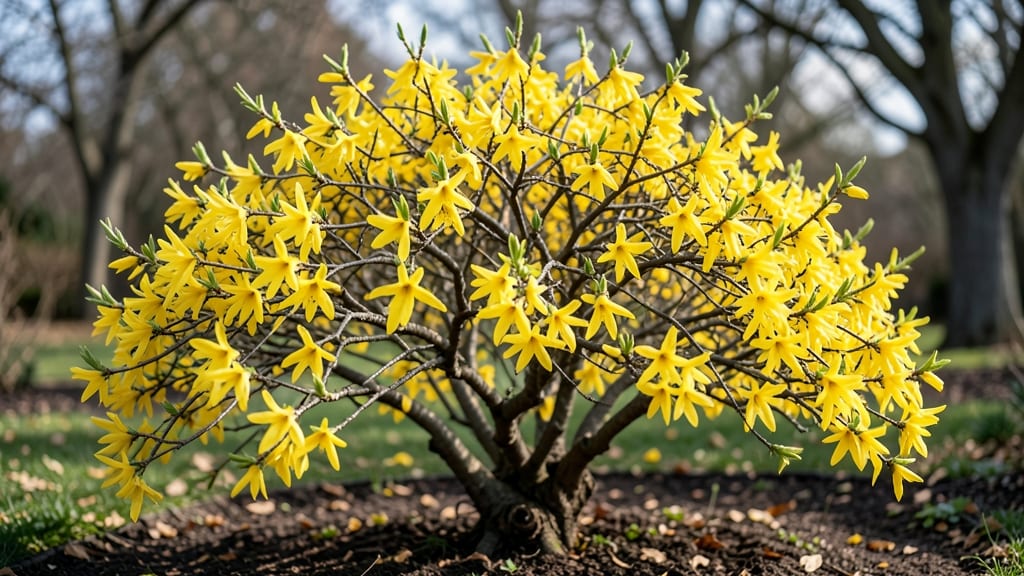
Forsythia flowers bloom in early spring 🌸, typically between February and April, depending on your USDA zone and the specific variety.
If you’ve ever wondered why your forsythia bushes bloom later than your neighbor’s—or why some varieties burst into yellow before others—timing is everything. Understanding the exact months forsythia flowers bloom can help you plan your garden for maximum impact, whether you’re in the deep South or the chilly North.
In most regions, including USDA Zone 6a, forsythia starts its show in March, often becoming the first shrub to announce spring with its bright yellow flowers.
But climate and variety play a big role: southern gardeners might see blooms as early as late February, while northern zones could wait until April.
Knowing when forsythia flowers isn’t just about admiring its beauty—it’s also the key to pruning at the right time, pairing it with complementary plants, and making the most of its short but stunning bloom window.
Let’s break down the exact timing by zone and variety so you can get ready for this spring’s first star performer.
Forsythia flowering timeline by USDA hardiness Zones
Forsythia is one of the first shrubs to burst into color each spring, signaling the end of winter. But the exact timing depends on your USDA hardiness zone and the specific forsythia variety you're growing.
In colder zones like Zone 3, blooms may appear as early as late February, while warmer climates in Zone 9 might see flowers in March or April. Understanding these variations helps you plan companion plants and seasonal garden tasks.
Forsythia blooms are triggered by chilling hours—the number of hours below 45°F (7°C) the plant experiences during winter. Most varieties need 800-1,200 chilling hours to bloom reliably. If your winters are mild (like in Zone 9), your forsythia might bloom later or produce fewer flowers.
Conversely, colder zones (Zones 3-5) often see earlier and more abundant blooms.
Here’s how to predict when your forsythia will flower based on your zone and variety. The table below breaks down the typical bloom windows, along with key factors like temperature triggers and regional variations.
In USDA Zone 3, where winters are harsh, forsythia like 'Northern Gold' often bloom as early as late February. These early bloomers take advantage of the long winter chilling period to produce vibrant flowers just as snow melts.
If you’re in Zone 4, expect blooms around the same time, though a late frost could damage delicate buds. Always monitor your local frost dates to protect your forsythia if needed.
For gardeners in Zones 5-6, mid-March is the sweet spot for forsythia blooms. Varieties like 'Lynwood Gold' thrive here, offering bright yellow flowers that contrast beautifully with early spring bulbs like daffodils and crocuses.
This timing also makes forsythia a perfect cutting garden plant, as flowers last 3-5 days in a vase. Pair it with bleeding heart or heuchera for a stunning early-season display.
Warmer climates in Zones 7-9 experience later blooms, typically in April. The milder winters in these zones can sometimes result in fewer flowers or later blooming if the plant doesn’t get enough chilling hours.
If you live in Zone 9, consider choosing heat-tolerant varieties like 'Spring Glory', which are bred to handle warmer conditions. You might also notice second flushes of blooms in late spring if the plant receives consistent care.
Regional variations also play a role. For example, forsythia in the Pacific Northwest (Zone 7-8) may bloom earlier than those in the Southeastern U.S. due to cooler coastal climates.
Similarly, forsythia in mountainous regions (e.g., Zone 5 in Colorado) might bloom weeks earlier than those in lowland areas of the same zone. Always check local microclimates—a north-facing yard stays cooler than a south-facing one, which can delay blooms by 1-2 weeks.
To encourage the earliest and most abundant blooms, focus on proper winter care. Mulch around the base of your forsythia in late fall to protect roots from freezing temperatures. Avoid heavy pruning in
Top 5 forsythia varieties ranked by bloom time
Choosing the right forsythia variety can transform your garden's early spring display. Some varieties bloom as early as late February, while others wait until mid-April. The timing depends on the cultivar, your USDA zone, and even the amount of sunlight your plant receives.
If you're planning for a sequential bloom effect, mixing varieties is key!
For gardeners in USDA Zones 5-7, the earliest bloomers often appear before the last frost. Meanwhile, those in Zones 8-9 might see blooms stretch into early May.
Let's explore the top 5 varieties ranked by their average bloom windows, so you can pick the perfect timing for your landscape.
'Lynwood Gold' is my top pick for early bloomers, often bursting into color by late February in Zones 5-6. This variety reaches 6-8 feet tall and thrives in full sun, making it perfect for hedges or focal points. Its vibrant yellow flowers appear before most other shrubs, giving you that coveted early spring splash of color.
Next up is 'Northern Gold', which blooms slightly later in March but handles colder climates better than most. This variety stays more compact at 4-6 feet and tolerates partial shade, making it ideal for understory plantings.
Its smaller size also works well for urban gardens where space is limited.
'Spectabilis' remains a classic for mid-March to April blooms and is the most widely grown variety. It can grow up to 10 feet tall, so it's best planted as a specimen or along property lines. This variety loves full sun and well-drained soil, producing abundant flowers that attract early pollinators like bees.
For those who want to extend their forsythia season into late April or May, 'Dwarf Allee' is an excellent choice. True to its name, it stays under 3 feet tall while still producing bright yellow blooms.
This variety performs well in Zones 6-9 and can even handle brief periods of drought once established.
Finally, 'Show Off' offers a unique double-bloom effect in March-April, with some flowers reblooming in late summer. It grows to 6-8 feet and thrives in full sun to partial shade, making it versatile for various garden settings.
Its extended bloom period gives you two chances to enjoy its cheerful display each year.
When selecting varieties, remember that soil temperature and winter chill hours play crucial roles in bloom timing. In warmer zones, forsythias may bloom later, while cooler climates often see earlier blooms.
Experiment with different varieties to create a staggered bloom effect that keeps your garden vibrant from February through May!