
Flowers
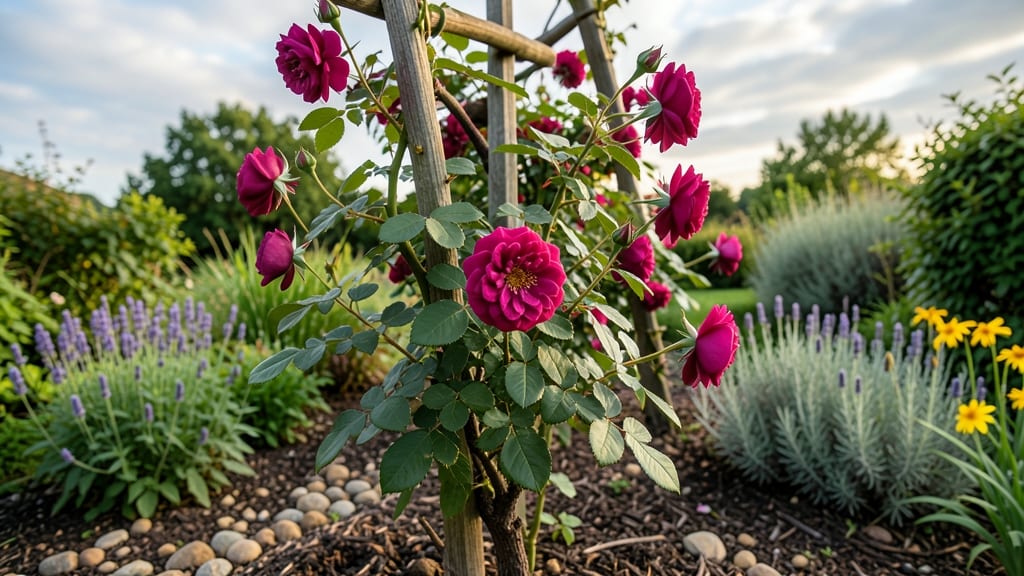
Climbing roses flower at different times depending on their variety and your climate zone — knowing these cycles is the key to planning your garden’s most stunning displays.
If you’ve ever wondered why your climbing roses bloom sporadically—or not at all—timing is the secret weapon in your gardening arsenal. Understanding their natural flowering cycles and pruning strategies can transform your garden into a year-round floral spectacle.
Some varieties burst into bloom in early spring, while others, like the beloved 'New Dawn', reward you with flowers from late spring through fall. In warmer zones, late-season blooms can stretch into October, but a single late frost can cut that short.
Below, I break down the exact bloom windows for popular climbing roses, how to prune for continuous flowers, and the simple tricks to coax extra blooms when the season seems to be over.
Climbing roses flowering seasons: natural cycles by variety
Climbing roses are nature's showstoppers, but their bloom timing varies dramatically by variety and climate zone. Some burst into color in spring only, while others reward you with repeat blooms all season.
Understanding these natural cycles lets you plan your garden like a pro—whether you're in USDA Zone 5 or the balmy Southern Hemisphere.
The key to maximizing blooms lies in matching your rose's flowering type with your local growing conditions. Spring-flowering varieties like 'Blaze' put on one spectacular show, while repeat-blooming stars like 'New Dawn' keep giving. Even late-season varieties have secrets to share about extending your floral display into fall.
🌹
| Variety | Bloom Type | Northern Hemisphere Bloom | Southern Hemisphere Bloom | Key Notes |
|---|---|---|---|---|
| 'Blaze' | Spring-flowering | May-June | November-December | One flush; prune after blooms |
| 'New Dawn' | Repeat-blooming | May-October | November-March | Deadhead for continuous blooms |
| 'Zephirine Drouhin' | Late-season | July-September | January-March | Thrives in cooler climates |
| 'Schnee von Grafenberg' | Spring-flowering | April-May | October-November | Fragrant white blooms |
| 'Rambling Rector' | Repeat-blooming | June-September | December-April | Disease-resistant |
| 'Graham Thomas' | Late-season | July-October | January-April | Golden-yellow blooms |
In the Northern Hemisphere, most climbing roses follow the classic pattern: spring awakening (March-May), summer peak (June-August), and late-season surprises (September-October). However, USDA Zone 7-10 gardeners enjoy extended seasons—some varieties like 'New Dawn' keep blooming until first frost.
Southern Hemisphere gardeners flip the script! What blooms in May for Northerners appears in November down under. The repeat-blooming 'Rambling Rector' becomes a winter star in Australia, while spring-flowering varieties like 'Blaze' shine during their November-December season.
Climate plays a starring role too. Cooler zones (5-6) may see delayed blooms until late May, while warmer zones (8-10) can enjoy year-round potential with proper care. Even microclimates matter—a north-facing wall might delay blooms by 2-3 weeks compared to sunny exposures.
🌿
The late-season varieties like 'Zephirine Drouhin' are my secret weapon for fall gardens. These roses bloom when many others have retired, offering September-October color in the North or March-April in the South. Their secret? They thrive in cooler temperatures and shorter days, making them perfect for extended-season gardening.
For repeat-blooming varieties, the magic happens when you deadhead regularly and feed lightly every 4-6 weeks. This encourages new growth that translates to continuous blooms from June through October in temperate climates. The trade-off? These roses need more maintenance than their one-flush cousins.
🌹
Pro tip: Use seasonal bloom charts to plan your garden layout. Place spring bloomers where they'll catch early sunlight, repeat bloomers along trellises for summer shade, and late-season varieties where fall colors will shine. This creates a staggered bloom effect that keeps your garden looking fresh all season!
Pruning timing secrets to extend climbing rose blooms
Timing your pruning is the secret ingredient for coaxing longer, more abundant blooms from climbing roses. Unlike their bush counterparts, these vines rely on precise cuts to stimulate new growth while preserving their architectural beauty.
The key lies in understanding variety-specific bloom cycles—some roses flower just once in spring, while others reward you with continuous summer-to-fall displays if pruned correctly.
Most climbing roses begin their primary flowering phase in late spring, with reblooming varieties producing secondary flushes in summer and fall. However, overzealous pruning at the wrong time can delay blooms or even eliminate them entirely.
The solution? A seasonal pruning calendar tailored to your rose’s natural growth patterns and your local climate. Let’s break down the exact timing and techniques to maximize your blooms year-round.
- 1 Early Spring (March-April, Zone 6a): Prune once-blooming varieties (e.g., 'Blaze') after dormancy but before buds swell to encourage spring flushes.
- 2 Late Spring (May-June): Lightly trim rebloomers (e.g., 'New Dawn') to remove dead wood and shape vines, but avoid heavy cuts to preserve summer blooms.
- 3 Summer (July-August): Deadhead spent blooms and prune suckers to redirect energy to late-season flowers. Use sharp, clean cuts at a 45-degree angle.
- 4 Early Fall (September): Prune lightly to remove weak growth and prevent winter damage, but leave healthy canes for next year’s blooms.
- 5 Winter (Dormant Season): Avoid pruning—protect canes with mulch and wait until late winter (just before buds swell) for major cuts.
For 'New Dawn', a repeat-blooming hybrid tea, I always prune lightly in early spring to encourage strong stems for summer’s abundant blooms. In contrast, 'Blaze', a once-blooming variety, gets its heaviest pruning in late winter to promote one spectacular spring display.
The difference? Understanding your rose’s DNA and respecting its natural rhythm.
Pro tip: Label your roses and keep a seasonal pruning journal to track what works. I’ve found that over-pruning in fall can stunt next year’s blooms, while skipping summer deadheading leads to leggy, sparse growth.
Balance is everything—cut for shape, not just quantity. Your climbing roses will thank you with lush, fragrant blooms from spring through fall.
Remember, sharp tools and sterilized cuts prevent disease. I sanitize my pruners with rubbing alcohol between cuts and avoid pruning when roses are wet to minimize fungal risks. With the right timing, your climbing roses will outperform expectations and dominate your garden’s vertical space with season-long color. 🌹