Picking
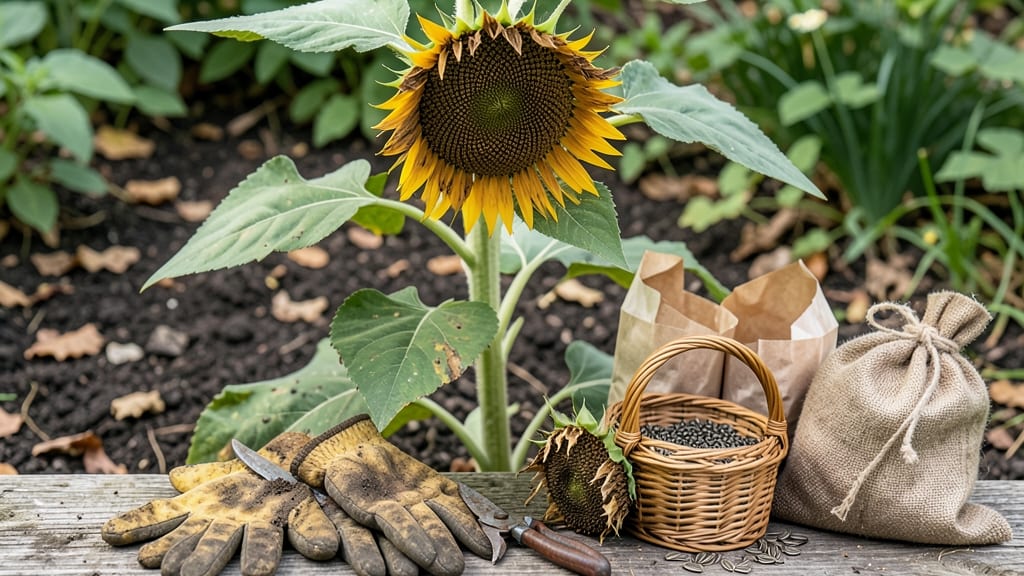
Sunflower seeds are ready to harvest when the back of the head turns a deep, uniform yellow and the seeds rattle inside like a tiny drum 🌻 — a sure sign they’re packed with flavor and ready for the picking.
Picture this: you’ve nurtured your towering sunflowers all season, and now the moment of truth arrives. One wrong move, and you’ll end up with bitter seeds or a feast for the birds. But how do you know for sure when those golden blooms are truly ripe?
Most gardeners miss the window because they focus on the wrong clues — like the color of the petals or the height of the stem. The real secret lies in a simple back-of-hand test, where the texture of the seed head tells you everything you need to know about ripeness.
In this guide, I’ll walk you through the foolproof method to check your sunflowers, the common mistakes that lead to wasted harvests, and how to store your seeds so they stay fresh for months. No more guessing — just perfect, crunchy seeds every time.
The back-of-hand test: how to check sunflower seed ripeness
There's nothing quite like the moment you realize your sunflowers are ready to harvest—plump, flavorful seeds just waiting to be collected. But how do you know for sure?
The back-of-hand test is my go-to method for determining seed ripeness, combining visual cues with a simple touch to avoid the disappointment of underripe seeds or the frustration of overripe blooms that shatter in your hands.
This test focuses on three key areas: the seed head color, the stem condition, and the seed detachment. When all three align, you’ve hit the perfect window for harvesting. Let’s break it down step by step to ensure you never miss the mark again.
Timing is everything when it comes to harvesting sunflower seeds. If you pick them too early, the seeds will be soft and underdeveloped, lacking the rich flavor and crunch you crave.
On the other hand, waiting too long risks the seeds shattering or being pecked by birds, leaving you with nothing but empty heads.
One of my biggest lessons came from a late-summer harvest where I ignored the back-of-hand test. The seeds were fully brown, but when I shook the head, they rattled like they were ready.
I harvested them anyway—only to find they were hollow and bitter. That’s when I learned to trust the golden-yellow back and the dry papery texture over just the color.
For those growing sunflowers in cooler climates, like zones 4-6, timing becomes even more critical. The first frost can sneak up quickly, so keep an eye on the weather forecast and harvest before temperatures drop below 50°F.
If frost is imminent, cut the heads and let them dry indoors.
Once you’ve confirmed ripeness using the back-of-hand test, the next step is to harvest the seeds properly. Use a sharp pair of pruners or shears to cut the flower head from the stem, leaving a 2-inch stem attached.
This makes it easier to hang and dry the heads upside down in a well-ventilated area.
Pro tip: If you’re growing sunflowers for birdseed, you can leave the heads on the plants longer, as birds prefer slightly less mature seeds. But for edible seeds, stick to the back-of-hand test for the best flavor and texture.
Harvesting sunflower seeds at the right time isn’t just about avoiding bitter disappointment—it’s about celebrating the sweet victory of a job well done in the garden. With this test, you’ll never second-guess your timing again. 🌻
Key signs sunflower seeds aren’t ready (and what happens if you harvest too early)
Harvesting sunflower seeds too early is a common mistake that can turn your hard work into bitter disappointment. Unripe seeds lack flavor, stay soft, and won’t store well—making them useless for planting or snacking.
Even worse, premature harvesting can weaken your plant, leaving it vulnerable to pests and disease. Let’s explore the telltale signs your sunflowers still need time in the soil.
First, check the flower head. If it’s still green or partially green on the back, your seeds aren’t ready. The head should turn a uniform golden-yellow color, signaling maturity.
Another red flag? Moist or soft seeds inside the head—these haven’t dried out enough for proper storage or planting. When in doubt, wait a few more days before harvesting.
⚠️ Harvesting Too Early: The Costly Mistakes
- 🌱 Soft seeds = Poor storage life
- 💧 Moist heads = Mold risk
- 🌿 Green stems = Weakened plant
- 🐦 Bird attraction = Lost seeds
Premature seeds won’t dry properly, leading to shriveling, spoilage, or attracting pests. Patience pays off—wait until the back of the head turns fully yellow and seeds rattle when shaken.
Don’t ignore the stem and leaves either. If your sunflower’s stem is still green and flexible, the seeds inside aren’t mature. A ripe stem should feel dry and woody, almost hollow when tapped.
Meanwhile, the leaves may start to yellow and die back—this is nature’s way of telling you it’s time to harvest. Skipping these checks can mean wasting an entire season’s growth.
Another sneaky sign? Birds and squirrels flocking to your sunflowers. These critters target ripe seeds, but they’ll also peck at unripe ones, leaving your harvest ruined. If you notice missing seeds or chewed heads, it’s a clear warning that your plants need more time.
Consider covering your sunflowers with bird netting if wildlife is a persistent problem.
What happens if you harvest too early? Bitter, bland seeds are the least of your worries. Prematurely picked seeds often fail to germinate if saved for planting, and they won’t store well—expect them to spoil within weeks instead of lasting months.
Even if you’re eager to enjoy them, underripe seeds have a gritty texture and lack the rich, nutty flavor of fully mature seeds.
To avoid these pitfalls, make the back-of-hand test part of your routine. Hold the flower head near your cheek—if it feels warm and dry, it’s ready. If it’s still cool or damp, wait at least 3-5 more days.
Remember, sunflowers are resilient, and a few extra days in the field mean the difference between a disappointing snack and a bountiful harvest.
Next time you’re tempted to pick those golden heads, take a moment to check for these key indicators. Your future self—and your taste buds—will thank you for the patience. With the right timing, you’ll enjoy crunchy, flavorful seeds that store perfectly for months to come. 🌻