
Flowers
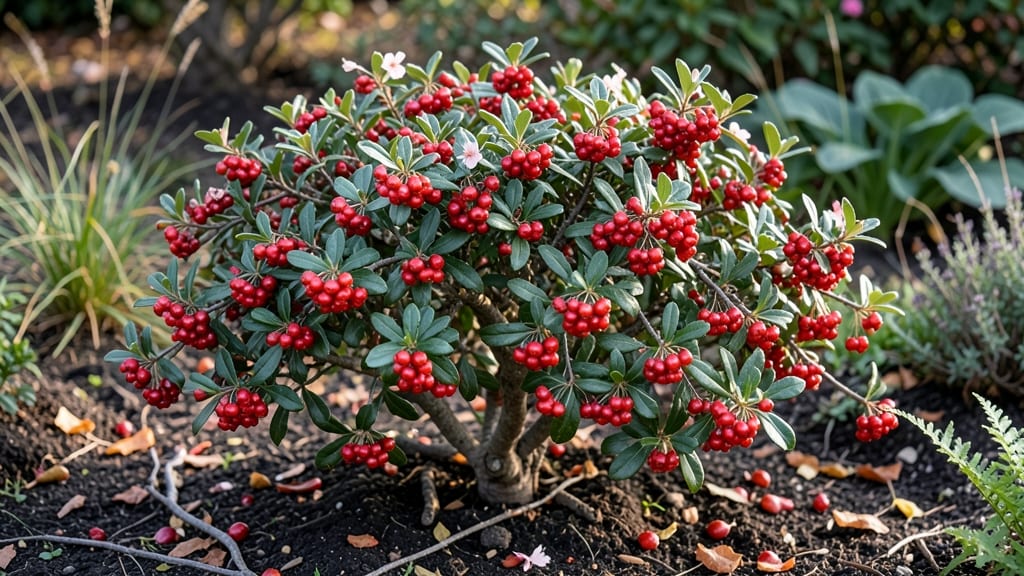
Using red berries used in flower arrangements instantly adds a bold pop of color that makes any bouquet stand out 🌿—think cranberries, holly, or pomegranate seeds for that rich, eye-catching contrast.
Want to add dramatic flair to your floral designs? Red berries aren’t just for eating—they’re nature’s most striking accent pieces for creating bold, high-contrast arrangements that stop the eye and elevate any bouquet.
From late fall through winter, these vibrant accents pair beautifully with evergreens, white flowers, or deep greens to create a luxurious, seasonal look. Whether you’re crafting a centerpiece for a holiday table or a long-lasting dried arrangement, the right berries can transform a simple bouquet into a showstopper.
In this guide, I’ll walk you through the best berries to use, how to pair them for maximum impact, and tips to keep them fresh and vibrant in your arrangements—so you can design with confidence all season long.
Best red berries for flower arrangements and their seasonal availability
When crafting high-impact floral designs, red berries offer unmatched drama and seasonal versatility. Their vibrant hue creates stunning color contrasts against whites, silvers, and deep greens, making them ideal for wedding bouquets, holiday centerpieces, and everlasting arrangements.
Unlike delicate petals, berries maintain their structure for weeks, ensuring long-lasting visual appeal in your designs.
I’ve curated the top 5 red berries for floral arrangements, focusing on their seasonal availability, preservation methods, and where to source them for professional-quality designs. Whether you’re working with fresh, dried, or preserved berries, each variety brings unique textures and visual weight to your compositions.
Let’s explore the best options to elevate your next arrangement.
⚠️ CRITICAL NOTE: Always harvest berries from organic sources or pesticide-free plants to ensure they’re safe for floral use. Avoid wild-harvested berries unless you’re certain they haven’t been treated with chemicals.
Cranberries are my go-to for winter arrangements because they hold their color and shape for weeks when properly preserved. I recommend drying them in a low-temperature dehydrator (135°F for 8–12 hours) to maintain their glossy finish. For holiday-themed designs, cluster them with white eucalyptus and silver sprigs for a frosty, elegant look.
If you’re designing for modern or bohemian styles, pomegranate seeds are a game-changer. Their tiny, jewel-like appearance adds texture and movement to arrangements. To use them, gently separate the seeds from the membrane and sprinkle them throughout bouquets or scatter them on table runners.
They’re also perfect for dried floral installations because they won’t degrade over time.
Rose hips bring a rustic, organic charm to designs, especially when paired with dried lavender or wheat stalks. To preserve them, air-dry them in a paper bag with holes for 2–3 weeks or soak them in glycerin solution (equal parts glycerin and water) for 48 hours to soften them. Their deep red-orange hue contrasts beautifully with cream-colored flowers like chamomile.
For forest-inspired or Scandinavian-style arrangements
How to pair red berries with flowers for maximum visual impact
Red berries bring instant drama to floral arrangements with their vibrant hue and natural texture. When paired strategically, they create high-contrast focal points that draw the eye.
The secret lies in color theory and texture play—think white hydrangeas against deep red berries or silver foliage to amplify their glow.
Start with color blocking for bold arrangements. Pair bright red berries like pyracantha with creamy white flowers such as gardenias or ranunculus. This creates a striking monochromatic effect that feels fresh yet dramatic. For a moody, sophisticated look, contrast red berries with deep burgundy flowers like dahlias or charcoal-black foliage.
Layer textures to add dimensional interest. Combine glossy red berries with matte white flowers like chrysanthemums or ruffled petals like peonies. For a wild, organic look, mix spiky berries with feathery foliage such as ferns or dusty miller. This creates visual depth that feels natural yet curated.
Place berries strategically for maximum impact. Use them as focal points in the center of arrangements or cluster them at the base for grounding. For asymmetrical designs, place a single berry cluster on one side to create movement.
In linear arrangements, alternate berries with flowers to guide the eye along the stem.
Don’t overlook seasonal transitions. In fall, pair red berries with deep oranges and golds like marigolds or sunflowers. For winter arrangements, combine them with evergreen branches and dried flowers like pampas grass. This keeps your designs fresh year-round while leveraging berries' natural long-lasting appeal.
Experiment with berry clusters of varying sizes. A few large berries create bold statements, while smaller groupings add subtle texture. For dried arrangements, preserve berries by air-drying them on screens or using a dehydrator to maintain their vibrant color and structural integrity.