
Blooming
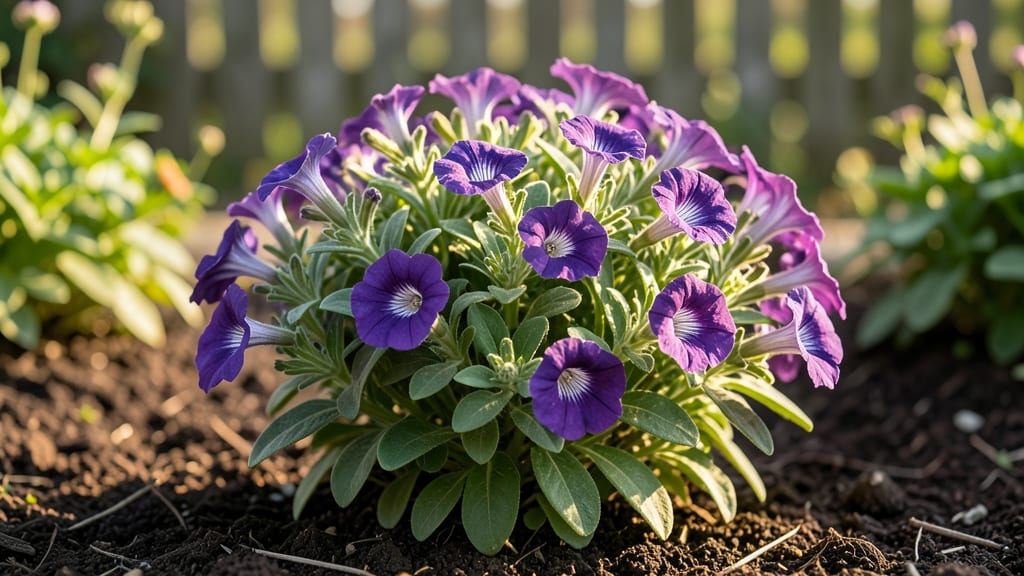
Petunias bloom during the flowering season that stretches from early summer through fall 🌸, turning gardens into vibrant canvases of color.
You’ve probably seen them in full glory—those cascading clusters of pink, purple, and white—but did you know their peak season can last longer than you think? With the right care, petunias in Zone 6 can keep blooming well into October, even as temperatures dip.
The key lies in understanding their natural rhythm: early varieties kick off in June, while late-season types hold on until frost. Sunlight, soil health, and regular deadheading play huge roles in extending that year-round color, and I’ll break down exactly how to maximize each month’s potential.
From month-by-month blooming tips to variety choices that thrive in cooler climates, this guide ensures your petunias stay showy from first bud to final frost.
Petunia flowering season timeline: when do petunias bloom each month?
Petunias burst into color with spring planting and continue through fall frost, making them the perfect seasonal showstoppers. Their flowering timeline varies by USDA zone and variety, but with the right care, you can enjoy blooms from May through October—or even longer in warm climates.
Let’s break down their month-by-month performance so you can plan your garden for continuous color.
In USDA zones 7-11, petunias typically start blooming in late spring (May) and peak in summer (June-August). However, early-spring varieties and reblooming techniques can shift this timeline.
For example, in Zone 10, petunias may bloom as early as March and continue until November, while Zone 7 gardeners might see blooms from June to October.
🌸
In May, petunias planted after the last frost begin forming buds, with the first blooms appearing in late May to early June. This is when wave petunias (like 'Supertunia') truly shine, offering continuous blooms with minimal gaps.
For traditional petunias, you’ll need to deadhead regularly to encourage new flowers.
June through August is the peak blooming season for petunias, especially in USDA zones 9-11. During these months, your plants will reward you with non-stop color if you maintain consistent watering and monthly feeding.
In Zone 7, however, heat waves can cause bloom slowdowns, so providing afternoon shade during extreme heat helps maintain vigor.
🌿
September is where late-season reblooming comes into play. Many gardeners assume petunias fade with fall temperatures, but with pruning and reduced watering, you can coax a second wave of blooms.
In Zones 9-11, petunias may even bloom into November, while Zone 7 gardeners should prepare to protect plants from frost or harvest seeds from heirloom varieties.
For cooler climates (Zones 7-8), consider cold-hardy varieties like 'Easy Wave Purple' or 'Wave Crest'. These types tolerate mild frosts and can extend your blooming season by 2-4 weeks. Pair them with heat-tolerant types like 'Supertunia Vista Bubblegum' for a year-round color strategy.
🌸
To maximize your petunias’ blo
How to extend petunia blooms beyond their natural season
Petunias typically bloom from early summer through fall, but with the right techniques, you can push their flowering season 2-3 months longer. The key lies in understanding their needs—nutrient balance, proper watering, and variety selection all play critical roles.
Wave petunias, for example, naturally bloom for extended periods, while traditional types require more intervention. Let’s explore how to maximize those stunning blooms all season long.
Deadheading is your first line of defense for prolonging blooms. By removing spent flowers daily, you redirect the plant’s energy toward new buds instead of seed production. Use clean, sharp pruning shears to snip just above a leaf node—this encourages bushier growth and more flowers.
For trailing petunias, focus on the tips where new growth emerges. This simple habit can extend your petunias’ bloom time by up to 6 weeks.
Extending Petunia Blooms: Pros & Cons
✔ Encourages new buds
✔ Extends bloom season
✔ Reduces seed production
✔ Boosts phosphorus for blooms
✔ Supports root growth
✔ Prevents nutrient deficiency
✖ Causes root rot
✖ Attracts pests
✖ Reduces bloom quality
✖ Soil dries too fast
✖ Temperature fluctuations
✖ Nutrient loss
Soil nutrition is another game-changer. Petunias thrive in well-draining, slightly acidic soil (pH 6.0-7.0). Before planting, amend your soil with compost or aged manure to provide organic matter. During the growing season, feed your petunias every 4-6 weeks with a balanced fertilizer (5-10-10) to promote continuous blooming.
For late-season reblooms, switch to a low-nitrogen, high-phosphorus formula in early fall to encourage flowering over leafy growth.
Watering schedules often make or break petunia longevity. These plants love moisture but hate soggy roots. Water deeply in the morning to reduce fungal risks, aiming for 1-2 inches of water per week.
In hot climates, increase frequency to every 1-2 days, while cooler weather may only require watering every 3-4 days. Mulching with 2-3 inches of organic mulch helps retain moisture and regulate soil temperature, which is especially critical in USDA zones 7-9 where temperature swings are common.
Choosing the right varieties can also extend your blooming window. Wave petunias are bred for continuous flowering and can bloom for up to 12 weeks with minimal care. For cooler climates, opt for frost-tolerant hybrids like 'Easy Wave Purple' or 'Supertunia Vista Bubblegum,' which can handle light frosts.
Traditional petunias, while stunning, may require more aggressive deadheading and fertilizing to match this longevity. Always check seed packets for days-to-bloom estimates to plan your garden’s timeline.
Finally, don’t overlook the power of seasonal adjustments. As temperatures drop in late summer, reduce watering slightly and stop fertilizing by mid-September to harden off plants. In mild-winter zones (8-11), you might even see a fall rebloom if you protect plants from frost.
For colder regions, consider overwintering petunias indoors in pots to enjoy their blooms year-round. With these strategies, your petunias can keep your garden vibrant well into autumn’s crisp air.