
Flowers
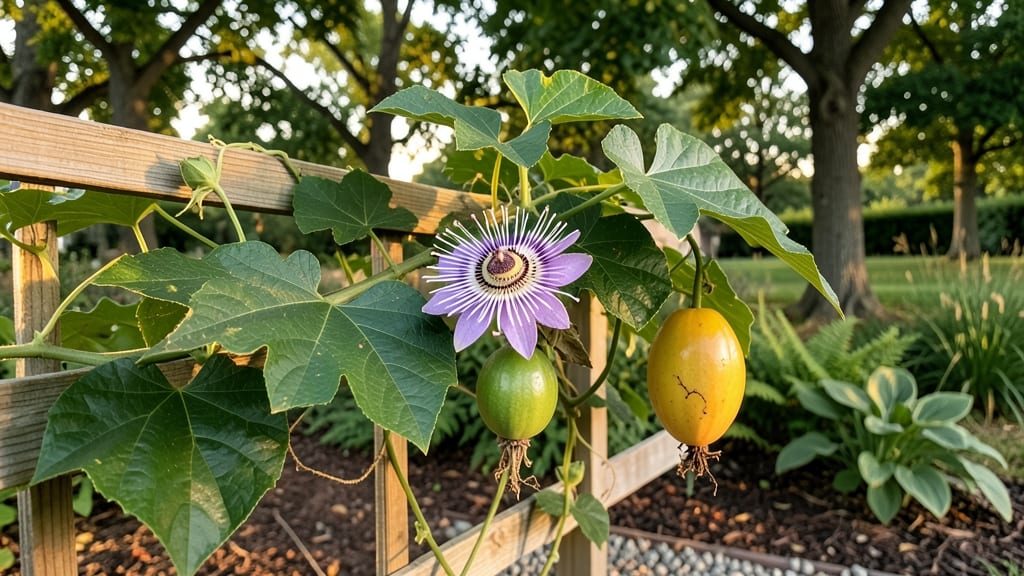
Transforming a passion fruit flower 🍈 into a ripe, juicy fruit is a slow-motion miracle that takes patience—but the payoff is worth every step.
If you’ve ever watched your vine bloom with vibrant flowers only to see most of them fall off without a trace, you’re not alone. The secret to turning those delicate blooms into fruit lies in understanding the 3-5 week window where pollination makes or breaks your harvest.
Miss the cues, and you’ll end up with empty vines by harvest time.
From the moment a flower opens to the day you pluck that first fruit, there are key milestones—like fruit set, color changes, and texture shifts—that tell you whether your passion fruit is on track.
This guide breaks down the entire process, including how to support pollinators, spot healthy blooms, and troubleshoot common issues like premature fruit drop.
By the end, you’ll know exactly when to expect fruit, how to tell if it’s ripe, and the one trick that doubles your yield. Ready to turn those flowers into a bountiful harvest?
Passion fruit flowering stages: how blooms develop into fruit
Passion fruit vines produce some of the most exotic and intricate flowers in the garden, but not all blooms lead to fruit. Understanding the 3-5 week flowering-to-fruit window is key to maximizing your harvest.
These flowers aren’t just beautiful—they’re complex structures designed for cross-pollination, which is why only about 30-50% of flowers typically set fruit under ideal conditions.
The journey begins when your vine produces large, trumpet-shaped blooms with 5 vibrant petals and a fuzzy, crown-like corona at the center. These flowers open in the morning and wilt by afternoon, giving pollinators like bees, hummingbirds, and butterflies just a few hours to do their job.
Without proper pollination, the flower will simply drop off within 24-48 hours, leaving no trace of its brief existence.
🌱
| Stage | Duration | Key Features | Pollination Status | Outcome |
|---|---|---|---|---|
| Flower Bud | 1-3 days before opening | Tight, green bud; no petals visible | Not applicable | Potential fruit or drop |
| Open Bloom | Morning (6-12 hours) | 5 petals, fuzzy corona; fragrant | Critical pollination window | Fruit set or wilting |
| Post-Pollination | 24-48 hours | Petals wilt; small green bump forms | Pollinated (bump visible) | Fruit development begins |
| Fruit Initiation | 3-5 weeks | Green, marble-sized fruit; no color change | N/A (fruit already set) | Healthy growth or drop |
| Failed Pollination | 24-72 hours | Petals wilt and drop; no bump | Unpollinated | Flower drops; no fruit |
After a successful pollination, you’ll notice a tiny green bump where the flower once was—this is the fruit beginning to form. Over the next 3-5 weeks, this bump will grow into a marble-sized green fruit, but it’s still vulnerable.
During this stage, temperature fluctuations, pest damage, or nutrient deficiencies can cause the fruit to drop prematurely. I’ve seen entire crops fail in my garden due to a sudden heatwave above 95°F, so monitoring these early stages is crucial.
One of the biggest mistakes I see is assuming all flowers will set fruit. In reality, only healthy, well-pollinated blooms will develop into fruit. To improve your odds, focus on attracting pollinators by planting native flowers nearby like lavender or sunflowers.
You can also hand-pollinate by gently transferring pollen from one flower to another using a small brush or cotton swab. This method works especially well in greenhouse settings or areas with low pollinator activity.
💧
Climate plays a huge role in flower success. Passion fruit vines thrive in tropical or subtropical climates (USDA Zones 10-12) but can also grow in Zone 9 with winter protection. They need consistent warmth, with ideal temperatures between 70-85°F for flowering.
If nights drop below 55°F, flowers may fail to open or set fruit. In cooler zones, I’ve had better luck using row covers during spring and fall blooming periods to protect flowers from chilly nights.
Light is another critical factor. Passion fruit vines need full sun exposure (6+ hours daily) to produce abundant flowers. If your vine is in partial shade, it will focus energy on leaf growth instead of flowering.
I once had a vine in morning sun only that produced almost no flowers—once I moved it to a south-facing trellis, flowering doubled within weeks. If you’re growing in a container, place it in the sunniest spot possible and rotate it occasionally for even growth.
🌿
Identifying healthy blooms vs. failed attempts
Critical growth milestones: weeks 6-12 after flowering
Once your passion fruit flowers have been successfully pollinated, the real magic begins. Between weeks 6 and 12, those tiny green buds will undergo a dramatic transformation—growing from the size of a pea to a full-sized fruit.
This is when careful monitoring pays off, as subtle changes in color, texture, and size signal whether your fruit is thriving or struggling.
During this phase, your vine is channeling energy into fruit development, making it critical to maintain consistent watering and nutrient balance. Too much nitrogen can lead to lush foliage but fewer fruits, while insufficient potassium may result in weak fruit walls or early dropping.
Think of this period as the fruit’s growth spurt—just like a teenager, it needs the right fuel to reach its full potential.
- Week 6: Pea-sized buds appear—bright green and firm to touch. Check for aphid clusters on new growth.
- Week 8: Buds grow to 1-2 inches; skin may develop faint stripes (varies by variety). Thin weak fruits to improve air circulation.
- Week 10: Fruit reaches 2-3 inches; color shifts to yellow/orange/purple (depending on type). Firm but yielding when pressed gently.
- Week 12: Mature size (3-4 inches); skin thickens, and aroma develops. Harvest soon—overripe fruit may split or attract pests.
One of the most common pitfalls during this stage is premature fruit drop. If you notice fruits falling off before reaching week 10, it could signal poor pollination, nutrient deficiency, or extreme temperature swings.
To diagnose, inspect the dropped fruit’s stem—if it’s dry and shriveled, it likely didn’t receive enough nutrients; if it’s soft and mushy, overwatering or fungal issues may be at play.
Pests like fruit flies and passion vine hoppers also target developing fruit, leaving behind small holes or sticky residue. Act fast by isolating affected fruits and applying neem oil or insecticidal soap to the vine’s foliage.
A weekly inspection under leaves can catch infestations before they spread—think of it as a fruit health checkup.
By week 12, your passion fruit should be nearing harvest readiness. The skin will feel thick and slightly leathery, and the fruit will emit a sweet, tropical scent when gently squeezed.
If you’ve nurtured your vine through this critical phase, you’re rewarded with juicy, flavorful fruit—proof that patience and attention to detail pay off in the garden.
🌱 Now that you’ve mastered the fruit-development phase, stay tuned for the next section on harvesting techniques and storage tips to keep your passion fruit at peak freshness.