
Flowers
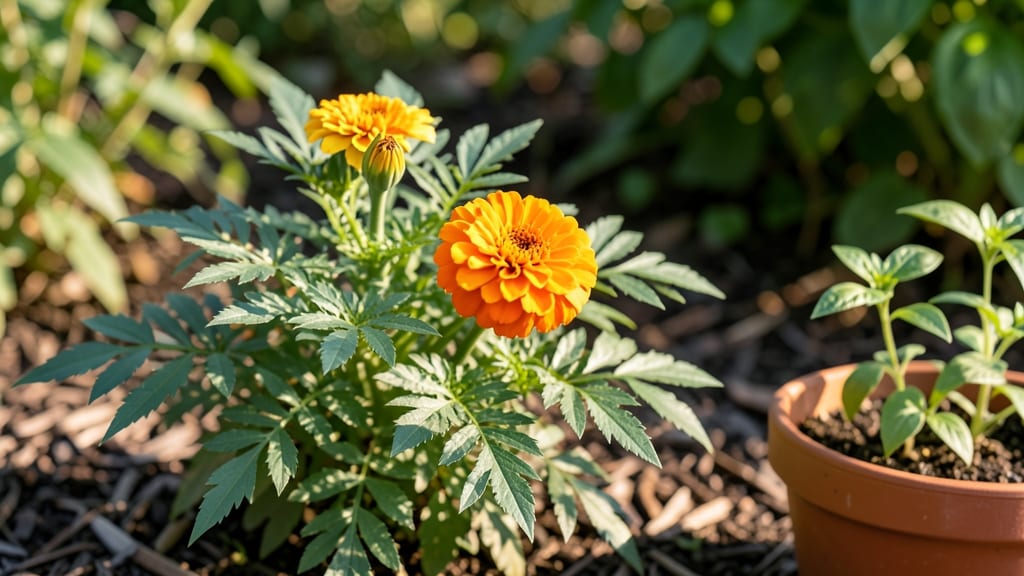
Marigolds have a seed-to-flower time of about 45 to 75 days, depending on the variety and growing conditions—but those numbers can shift if you’re not careful.
Picture this: you’ve just scattered your seeds in early spring, dreaming of a border bursting with bright blooms by summer. But if the soil’s too cool or the light’s weak, those 60-day estimates stretch into 90 days or more.
The good news? With the right tweaks—like warmer soil, proper spacing, and a dash of patience—you can shave weeks off that timeline.
French marigolds, like ‘Bonanza,’ tend to bloom faster (45-55 days), while African varieties such as ‘Crackerjack’ can take 60-75 days. Sunlight, soil warmth, and even watering habits play a bigger role than you might think.
Below, I’ll break down exactly how to meet those bloom dates—and what to watch for when they’re running late.
You’ll leave this guide knowing not just when your marigolds will flower, but how to control it. Ready to turn those seed packets into a summer spectacle?
Marigold seed to flower time: exact days by variety (French, African, Signet)
If you're eager to see those cheerful marigold blooms brighten up your garden, timing is everything! The seed-to-flower time varies dramatically between French marigolds, African marigolds, and Signet marigolds. Understanding these differences helps you plan your garden layout and enjoy vibrant colors exactly when you want them.
Marigolds are fast growers, but their bloom speed depends on variety type, soil temperature, and sunlight exposure. French marigolds, for example, are the quickest to flower, while African marigolds take slightly longer.
Let’s break down the exact days for each type so you can set realistic expectations for your garden.
| Variety | Germination Time | Seedling Stage | Flowering Time | Total Days to Bloom |
|---|---|---|---|---|
| French Marigolds | 5-7 days | 14-21 days | 45-60 days | 60-80 days |
| African Marigolds | 7-10 days | 21-28 days | 60-75 days | 80-100 days |
| Signet Marigolds | 6-8 days | 18-25 days | 50-65 days | 65-85 days |
French marigolds, like the popular 'Bonanza Mix', are the fastest bloomers. With proper care, you can expect vibrant blooms in as few as 60 days from seed. These compact plants thrive in full sun and well-drained soil, making them ideal for borders and containers.
African marigolds, such as 'Tangerine Gem', take a bit longer to reach their full potential. Their larger, showier blooms are worth the wait, but they require slightly warmer soil temperatures—aim for at least 70°F for optimal germination and growth.
Signet marigolds, like 'Painted Lady', offer a unique, intricate flower shape and bloom slightly faster than African varieties. They’re perfect for adding texture to your garden beds and are less prone to disease, making them a low-maintenance choice.
The soil temperature plays a critical role in how quickly your marigold seeds germinate. For best results, plant seeds when the soil is at least 60°F. Cooler soil can delay germination by a week or more, pushing back your bloom timeline significantly.
Light exposure is another key factor. Marigolds need 6-8 hours of direct sunlight daily to thrive. If you’re growing them in partial shade, expect a slight delay in flowering as the plants focus energy on leaf growth rather than blooms.
Seasonal variations also impact bloom times. Planting in late spring or early summer gives marigolds the longest growing season, ensuring they reach their full flowering potential before cooler weather sets in. If you plant too late, you might miss out on those bright blooms entirely.
To maximize your marigold blooms, consider starting seeds indoors 4-6 weeks before your last frost date. This head start ensures your seedlings are robust and ready to transplant outdoors, shaving weeks off your total bloom time.
With these timelines in mind, you can strategically plan your garden layout to enjoy continuous marigold blooms from early summer through fall. Whether you choose French, African, or Signet varieties, understanding their unique growth patterns will help you create a stunning, low-maintenance garden.
How to speed up marigold flowering: pro tips for faster blooms
If you're eager to see those bright marigold blooms sooner, you're not alone! The average seed-to-flower time for marigolds ranges from 45 to 75 days, but with the right techniques, you can shave weeks off that timeline.
The key lies in optimizing germination conditions, light exposure, and nutrient availability from day one.
I’ve grown marigolds for years, and I’ve learned that small adjustments—like warm soil temperatures, proper spacing, and companion planting—can dramatically speed up flowering.
Even leggy seedlings or slow germination can be fixed with simple fixes. Let’s dive into the proven strategies that’ll have your marigolds blooming faster than ever.
- Start seeds indoors 4-6 weeks before last frost in warm soil (70-75°F) for faster germination (3-7 days vs. 10-14 outdoors).
- Use black plastic mulch to raise soil temps by 5-10°F, accelerating early growth and flowering by 10-15 days.
- Plant marigolds with basil or tomatoes—their shared pests repel each other, reducing stress and boosting bloom production.
- Deadhead spent blooms weekly to redirect energy to new flowers, cutting time-to-bloom by up to 20%.
- Fertilize with low-nitrogen, high-phosphorus (5-10-5) when buds form to promote flowering over foliage.
One of the biggest mistakes I see is planting marigolds too closely together. Crowded seedlings compete for nutrients and light, leading to leggy, weak stems that delay flowering.
Space them 12-18 inches apart (depending on variety) to ensure strong, sturdy plants that bloom faster. African marigolds, for example, need more room than French varieties.
If your seedlings are stretching toward the light but staying small, they’re likely not getting enough sunlight. Marigolds thrive in full sun (6+ hours daily), but even partial shade can slow them down.
Move containers to a sunnier spot or thin seedlings to reduce competition. A grow light can also help if you’re starting them indoors before the last frost.
Don’t overlook the power of companion planting! Pairing marigolds with herbs like dill or parsley deters pests naturally, reducing plant stress. I’ve noticed that marigolds planted near nasturtiums also bloom 2-3 weeks earlier because they share similar growing conditions and pest deterrents. It’s a win-win for your garden’s ecosystem.
Finally, if your marigolds are taking longer than expected to flower, check for nutrient deficiencies. Yellowing leaves? Add iron or magnesium. Slow growth? A balanced 5-10-5 fertilizer applied at bud stage can give them the boost they need.
And remember: consistent watering (not soggy soil) keeps roots healthy and flowering on schedule.
With these tips, you’ll see marigolds bursting into color weeks ahead of schedule. The secret is attention to detail—from the moment you plant that first seed to the day you pinch off those last spent blooms. Happy gardening! 🌼