
Mower
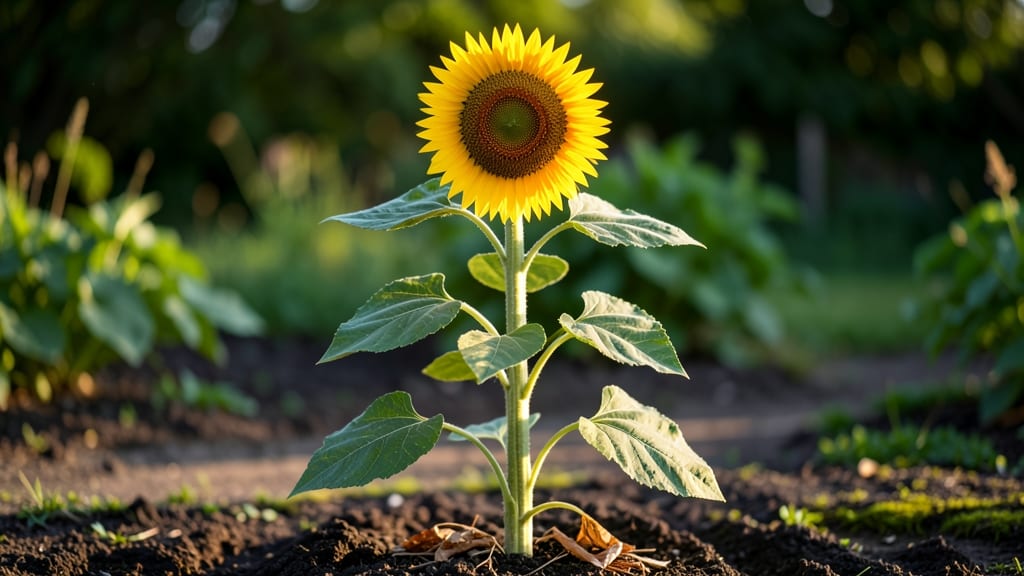
Imagine towering sunflowers reaching heights of 12+ feet—Mammoth sunflowers aren’t just stunning, they’re nature’s skyscrapers. But before planting, knowing their exact size and spacing requirements can mean the difference between a breathtaking garden and a crowded, struggling mess.
These sunflowers aren’t just about height—they also spread 3 to 5 feet wide, so spacing them correctly is key to avoiding competition for sunlight and nutrients. In fact, proper spacing can help them grow even taller by reducing stress on their roots.
In this guide, I’ll break down everything you need to know—from how tall they’ll grow to the best ways to support them, so you can enjoy a sunflower skyline in your own backyard.

Mammoth sunflower height & growth chart: exact dimensions by variety
When I plant Mammoth sunflowers, I always double-check their mature size to avoid overcrowding. These giants can reach 10 to 14 feet tall, with some varieties like 'Russian Giant' even surpassing 14 feet under ideal conditions.
Their stem thickness can grow as thick as a broom handle, requiring sturdy supports as they mature. Understanding these dimensions helps me plan my garden layout for maximum impact without sacrificing plant health.
The width of Mammoth sunflowers is just as important as their height. While they only spread 3 to 5 feet wide, their massive flower heads and dense foliage create a striking visual presence. Proper spacing ensures each plant gets enough sunlight and nutrients to reach its full potential.
I’ve learned that crowding these giants leads to weaker stems and smaller blooms, so spacing is key to their success.
Here’s a quick reference for the most popular Mammoth sunflower varieties and their exact dimensions:
| Variety | Mature Height | Stem Thickness | Flower Head Size | Days to Bloom |
|---|---|---|---|---|
| Russian Giant | 12–14 ft | 2–3 inches | 12–16 inches | 80–90 days |
| Mammoth | 10–13 ft | 1.5–2.5 inches | 10–14 inches | 75–85 days |
| Autumn Beauty | 10–12 ft | 1.5–2 inches | 8–12 inches | 70–80 days |
Note: Heights vary based on soil fertility, sunlight exposure, and watering consistency.
The growth timeline for Mammoth sunflowers is just as impressive as their final size. From seed to full bloom, these plants follow a predictable progression that helps me plan my garden schedule.
Seeds germinate in 7 to 14 days under ideal conditions, with seedlings reaching 6 inches tall in about 3 weeks. By 60 days, they’ll be 3–4 feet tall, and by 90 days, they’ll be in full bloom, ready to attract pollinators and add drama to my garden.
One of the most striking aspects of Mammoth sunflowers is how their stem thickness develops over time. Early in their growth, stems are slender and flexible, but as they mature, they thicken significantly.
This is especially noticeable in 'Russian Giant' varieties, where stems can reach 3 inches in diameter by the time they’re fully grown. This thickness provides natural stability, but I still recommend adding supports to prevent wind damage, especially in taller varieties.
For gardeners with limited space, it’s important to note that even dwarf varieties of Mammoth sunflowers can still reach 8 to 10 feet tall. While they won’t tower over your fence like their full-sized cousins, they still require ample spacing to avoid shading out nearby plants.
I’ve found that giving them at least 18 inches of space between each plant ensures they have room to grow without competing for resources.
When planning your garden, consider the visual impact of these giants. A single Mammoth sunflower can dominate a flower bed, making it the focal point of your outdoor space. For a dramatic effect, I often plant them in groups of three, spaced 3 feet apart in a triangular formation.
This creates a natural archway or backdrop for other plants, adding depth and interest to my garden layout.
If you’re growing Mammoth sunflowers in containers, be prepared for some challenges. Their massive root systems and height make them less ideal for pots, but it’s not impossible.
Choose a container that’s at least 18 inches in diameter and depth, and use a high-quality potting mix to support their growth. I’ve had success with 5-gallon buckets for smaller varieties, but even then, they may not reach their full potential.
Finally, remember that the soil quality plays a huge role in determining how tall your Mammoth sunflowers will grow. These plants thrive in well-draining, nutrient-rich soil with a pH between 6.0 and 7.0.
Amending your soil with compost before planting gives them the best start, and I always fertilize them lightly every 4 to 6 weeks during the growing season to encourage strong, healthy growth.
With the right care, your Mammoth sunflowers will reach their full potential, creating a stunning centerpiece in your garden that’s sure to turn heads. Just remember: bigger isn’t always better—proper spacing and support are essential for happy, healthy plants that thrive for years to come. 🌻
Perfect spacing for Mammoth sunflowers: avoid overcrowding mistakes
Mammoth sunflowers need 18-24 inches between plants to thrive, but many gardeners make spacing mistakes that stunt growth. Too close, and they’ll compete for sunlight, water, and nutrients—leading to weak stems and smaller blooms.
The right spacing also improves wind resistance and pollination success, ensuring those iconic giant blooms reach their full potential.
For rows, maintain 3-4 feet between them to allow airflow and easy maintenance. This spacing prevents fungal diseases like powdery mildew, which thrives in crowded, humid conditions. Think of it like giving each plant its own personal sunspot—no sharing required!
Mammoth Sunflower Spacing: Pros & Cons
✅ Proper Spacing (18-24")
- Maximizes sunlight for taller growth
- Reduces disease risk from poor airflow
- Stronger stems from less competition
- Better pollination for larger blooms
❌ Overcrowding (Under 18")
- Weak, spindly stems from nutrient theft
- Smaller blooms due to sunlight starvation
- Higher disease risk (fungal infections)
- Poor pollination from crowded flower heads
"Spacing is the secret to 12-foot sunflowers—don’t skimp!"
Container gardening? Use 5-gallon pots minimum with one plant per container. Smaller pots restrict roots, leading to stunted growth. If you’re growing multiple plants in containers, space them 12-18 inches apart and use lightweight, well-draining soil to reduce weight stress on stems.
Watch for leaf yellowing or wilting—a red flag for overcrowding. These signs mean your plants are fighting for resources. Thin seedlings early to avoid transplant shock later. Remember, healthy spacing now = happy giants later!
Pro tip: Mark your spacing with stakes or string before planting. Mammoth sunflowers grow fast, and once they’re up, rearranging becomes a nightmare. A little planning now saves headaches (and broken stems) down the road.
With the right spacing, your mammoth sunflowers will reach their full 10-14 foot potential while looking like they’ve been professionally staged. Just imagine the Instagram shots—no overcrowding allowed! 🌻