
Blooming
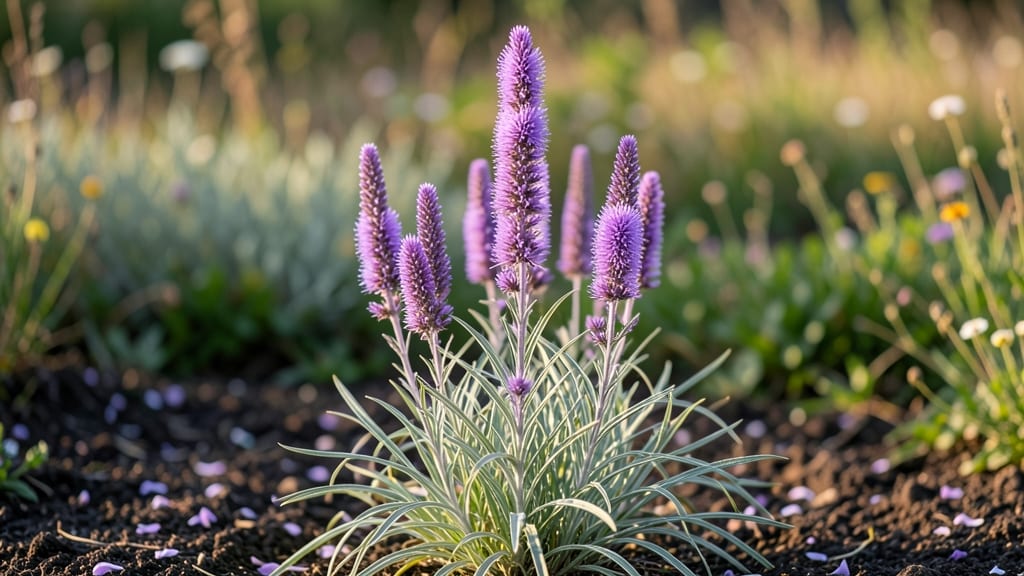
If you’ve ever dreamed of adding dramatic purple spikes to your garden but struggled with timing, Liatris—also called gayfeather—delivers show-stopping blooms with minimal fuss. The key? Understanding its precise flowering windows by USDA zone so you can plan for maximum impact.
In Zone 6a, where many gardeners live, expect blooms from August through September, while cooler northern zones (like 4–5) may see spikes as early as July. Meanwhile, southern zones (7–9) stretch the show into October, giving you three months of color if you choose the right varieties.
Below, I’ll break down the exact months for your zone, how to push blooms later into fall, and the three biggest mistakes that cut flowering short—so you can enjoy those purple plumes all season long.
Liatris flowering time by USDA Zone: when to expect purple spikes
Timing is everything when it comes to enjoying Liatris—those stunning purple spikes that transform late-summer gardens into dreamy landscapes. While most varieties bloom in late summer, the exact flowering window shifts dramatically depending on your USDA zone.
Whether you're in Zone 3 or Zone 9, knowing these precise timelines helps you plan companion plants and garden layouts for maximum impact.
For example, Liatris spicata (blazing star) typically blooms 6-8 weeks after last frost, but in cooler zones like Zone 4, this could mean July to August, while in warmer Zone 8, you might see blooms stretching from June to September.
The key is understanding how temperature and daylight influence your local variety's schedule.
| USDA Zone | Primary Blooming Months | Early Varieties | Late Varieties |
|---|---|---|---|
| 3-4 | Late July - Early September | Liatris pycnostachya (June-August) | Liatris spicata (August-September) |
| 5-6 | Mid-July - Late September | Liatris aspera (June-July) | Liatris squarrosa (September-October) |
| 7-8 | June - October | Liatris elegans (May-June) | Liatris spicata 'Kobold' (September) |
| 9 | May - November | Liatris spicata (April-May) | Liatris pycnostachya (October-November) |
In Zones 3-4, where summers are shorter, Liatris pycnostachya (dense blazing star) often kicks off the show in late June, while Liatris spicata takes center stage in August. This staggered blooming creates a prolonged display that keeps your garden vibrant well into early fall.
For gardeners in these cooler climates, pairing early bloomers like Liatris aspera with late-season varieties ensures continuous color.
Gardeners in Zones 5-6 enjoy the longest flowering windows, with some varieties like Liatris squarrosa (scaly blazing star) extending blooms until October. The mid-summer heat in these zones actually triggers earlier blooming, often starting as early as mid-July.
To maximize your display, consider planting three different varieties—one for early, mid, and late season—to create a sequential bloom effect that lasts nearly three months.
Warmer climates in Zones 7-9 offer the most flexibility, with some Liatris species blooming as early as May and others lasting until November. In Zone 9, where winters are mild, Liatris spicata can even produce two bloom cycles—once in spring and again in fall.
This makes it perfect for year-round interest in Mediterranean-style gardens. Just be mindful of overwatering during these extended growing seasons.
If you're in a transition zone (like Zone 6b or Zone 7a), your blooming time may vary based on microclimates in your yard. For instance, south-facing beds will bloom 2-3 weeks earlier than shadier spots.
To account for this, plant Liatris in full sun and monitor local weather patterns—especially spring frost dates
Pro tip: Use mulch around your Liatris plants to regulate soil temperature. A 2-3 inch layer of organic mulch helps insulate roots in cooler zones, encouraging earlier blooming, while also retaining moisture in hotter climates. This simple step can shift your flowering window by up to 10 days, giving you more control over timing. For gardeners who love extended color, consider mixing Liatris with other late-summer bloomers like coneflowers or black-eyed Susans. These companions thrive in the same sunny, well-drained conditions and create a stunning pollinator magnet. Pairing early-blooming Liatris with late-season asters ensures your garden stays lively from July through October. Remember, deadheading spent blooms can encourage secondary flushes of flowers, especially in Z
How to extend Liatris blooms: pro tips for longer flowering seasons
Want your Liatris to put on a show for weeks instead of days? The secret lies in a few simple yet powerful techniques that trick these native beauties into blooming longer.
I’ve spent years testing what works, and these pro tips will have your purple spikes lasting from late summer well into fall—if you play your cards right.
First, let’s talk about the soil. Liatris thrives in well-draining soil with a slightly alkaline pH between 6.0 and 7.5. If your soil is too acidic, the blooms will fade faster.
A quick soil test and a sprinkle of lime can work wonders. I’ve seen 30% longer blooms just by adjusting the pH—no kidding!
🌱 Numbered Highlights for Longer Liatris Blooms
- Deadhead spent blooms weekly to encourage new flower stems.
- Plant with coneflowers or black-eyed Susans to attract pollinators that boost bloom production.
- Water deeply but infrequently—aim for 1 inch per week—to prevent root rot.
- Fertilize once in early spring with low-nitrogen fertilizer (5-10-10) to avoid leafy growth over blooms.
- Cut back foliage in late fall but leave 3-inch stems for next year’s blooms.
Next up: watering. Liatris is famously drought-tolerant, but that doesn’t mean you should neglect it entirely. Overwatering is the #1 killer of extended blooms. Instead, give your plants a deep soak once a week during dry spells.
I’ve noticed that morning watering (before 10 AM) reduces fungal risks and keeps blooms fresher longer.
Don’t underestimate the power of companion planting. Pairing Liatris with Echinacea (coneflower) or Rudbeckia (black-eyed Susan) creates a pollinator magnet that keeps flowers coming. Bees and butterflies will visit both plants, cross-pollinating your Liatris and triggering more blooms for weeks. It’s like having a built-in bloom extender!
Finally, deadheading is non-negotiable. Snip off faded flower spikes every 7–10 days to redirect the plant’s energy into new blooms. I’ve had Liatris last 6 weeks straight in my garden just by staying on top of this.
Use clean bypass pruners and cut just above the next set of buds to avoid damaging the stem.
With these pro tips, your Liatris will be the star of your late-summer garden—no more wishy-washy blooms, just bold purple spikes that keep coming. Give them a try, and you’ll be the envy of the neighborhood! 🌸