
Flowers
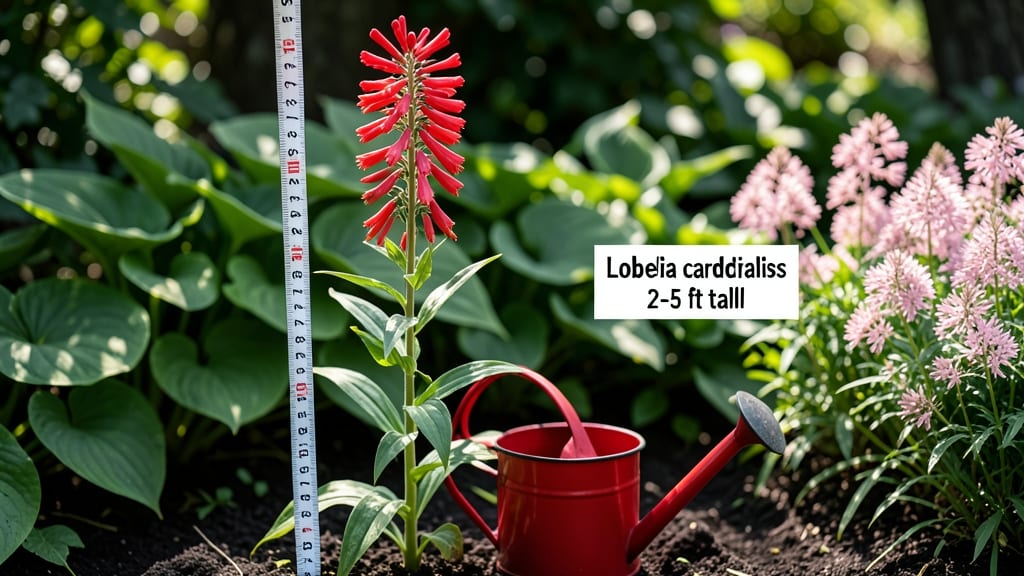
The cardinal flower 🌸 typically grows between 3 and 5 feet tall, but its height can vary based on variety, climate, and growing conditions.
Picture this: a vibrant splash of red blooms towering over your garden, drawing hummingbirds and butterflies like a magnet. But here’s the catch—if you plant them too close together, those stunning flowers can crowd each other, leading to weaker stems and fewer blooms.
The key is knowing how tall your cardinal flowers will grow so you can space them just right for a showstopping display.
Whether you're designing a lush border, a container garden, or a wetland area, understanding the mature height of cardinal flowers helps you plan companion plants and support structures.
Some varieties stay compact, while others reach their full height in just one season—so let’s break down what to expect and how to keep them thriving.
In this guide, you’ll discover how climate zones, pruning techniques, and soil conditions can influence height, plus tips to encourage bushier growth or control sprawling stems. Ready to create the perfect spot for your cardinal flowers? Let’s get started.

Mature height of cardinal flower by variety: what to expect in the garden
The cardinal flower (Lobelia cardinalis) is a dramatic addition to any garden, but its height varies dramatically by variety. Knowing these differences helps you choose the perfect spot for each type.
Some varieties reach towering heights, while others stay compact—making them ideal for containers or borders. Let’s break down the mature height of popular cardinal flower varieties and how they grow in your garden.
Most cardinal flowers grow as upright perennials with slender stems, but some hybrids and cultivars exhibit trailing or bushier habits. The standard cardinal flower (Lobelia cardinalis) typically grows 3 to 5 feet tall, while dwarf varieties can stay as short as 1 to 2 feet.
These differences impact spacing, support needs, and even companion plant selection.
Below is a quick reference for cardinal flower varieties, their mature heights, and ideal spacing. This will help you visualize how they’ll fit into your garden layout.
The standard cardinal flower (Lobelia cardinalis) is the tallest variety, often reaching 4 to 5 feet in ideal conditions. Its slender stems make it perfect for back borders or wetland gardens, where it thrives in moist soil.
If you’re planting near a pond or stream, this variety will add vertical drama while supporting pollinators like hummingbirds.
For smaller gardens or containers, dwarf varieties like ‘Helen van Bosse’ are ideal. These stay under 2 feet tall and spread 12 to 18 inches wide, making them perfect for window boxes or front-of-border plantings.
Their compact size also means they require less staking, though a light support may help in windy areas.
Trailing varieties like ‘Crystal Palace’ are a game-changer for hanging baskets or vertical gardens. While they don’t grow as tall, their spreading habit can create a stunning cascade of red blooms when planted in containers.
Space them 12 inches apart in baskets to ensure they fill out beautifully without overcrowding.
When planning your garden, consider the mature height alongside your garden layout. Taller varieties need 18 to 24 inches of space to avoid competition, while dwarf types can be planted closer together.
Pair them with shorter perennials like asters or ferns to create layered interest and highlight their vibrant blooms.
If you’re unsure about spacing, err on the side of giving your cardinal flowers a bit more room. They’ll reward you with longer stems and more abundant flowers when they’re not crowded.
And remember, these plants love moisture—so group them near other water-loving plants like irises or hostas for a cohesive look.
For container gardening, choose dwarf or trailing varieties to maximize impact without overwhelming small spaces. A 10-inch pot can comfortably hold a single ‘Helen van Bosse,’ while a hanging basket will showcase ‘Crystal Palace’ beautifully.
Just ensure your containers have drainage holes to prevent root rot, as cardinal flowers despise soggy soil.
🌸
How climate zones affect cardinal flower height: cold-hardy vs. tropical varieties
The USDA hardiness zones play a crucial role in determining how tall your cardinal flower (Lobelia cardinalis) will grow. Native to zones 3-9, this plant thrives in cooler climates but shows dramatic height differences when moved into tropical zones 10-11.
Understanding these variations helps you choose the right variety for your region and maximize bloom height.
In colder zones (3-6), cardinal flowers develop sturdy stems reaching 3-5 feet tall with proper care. However, in warmer zones (7-11), growth patterns shift—some varieties grow taller while others may struggle with heat stress.
Let's explore how your climate zone impacts height and what you can do to optimize growth.
In USDA zones 3-6, cardinal flowers like 'Queen Victoria' thrive as perennials, reaching their full 4-5 foot height with proper winter protection. These cold-hardy varieties develop deep root systems that anchor them against winter winds, allowing them to rebound vigorously in spring.
My garden in zone 5 consistently produces 5-foot-tall spikes when planted near a north-facing wall for winter shelter.
Moving into zones 7-9, growth height typically declines by 20-30% due to warmer winters and longer growing seasons. Varieties like 'Cardinal Red' may only reach 2-3 feet unless given afternoon shade to prevent heat stress.
In Atlanta (zone 7b), I've found that mulching with 3 inches of compost helps maintain moisture, allowing plants to reach 3 feet even in summer heat.
For tropical zones 10-11, cardinal flowers often struggle to reach their native height potential. The consistent warmth can cause leggy growth and reduced flowering. However, dwarf varieties like 'Scarlet King' adapted for these zones typically stay between 1-2 feet tall.
In Miami (zone 11), I've successfully grown them as annuals in partially shaded containers, where they bloom profusely at 18 inches tall.
To maximize height in any zone, focus on soil moisture and microclimate adjustments. In dry climates (zones 7-9), I recommend installing a drip irrigation system to maintain consistent moisture.
For cooler zones (3-6), adding a thick layer of mulch in late fall preserves root temperature, encouraging taller growth the following season.
Remember that cardinal flowers are wetland indicators—they thrive in moist soil but can suffer in waterlogged conditions. Whether you're in zone 3's harsh winters or zone 11's humidity, proper drainage and light management are key to achieving the optimal height for your region. 🌱