
Flowers
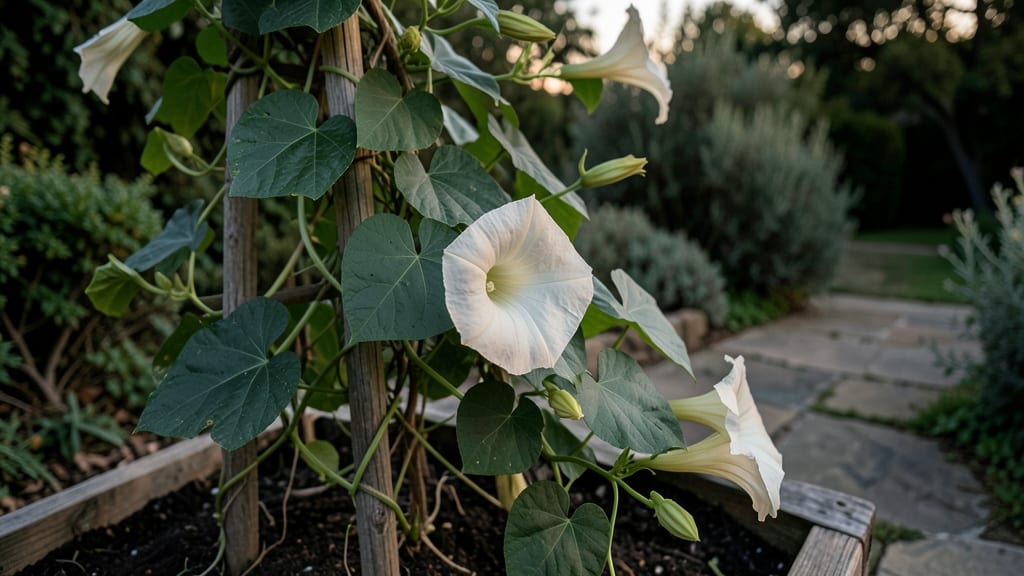
Moonflowers grow between 1 and 5 feet tall, depending on whether they’re climbing or sprawling 🌙—but their height can double with the right support.
If you’ve ever dreamed of a garden that glows under moonlight, moonflowers (Ipomoea alba) are your secret weapon—but their height can surprise even seasoned gardeners.
Some varieties stretch like vines up a trellis, while others sprawl across the ground, making the difference between a dramatic nighttime display and a tangled mess.
These fast-growing annuals (or short-lived perennials in warm climates) shoot up 1 to 2 feet in their first season if planted early, but with proper training, they can easily reach 5 feet or more. The key? Sunlight, soil, and whether you’re letting them climb or sprawl.
In this guide, I’ll break down how to control their height—whether you want a short, bushy plant or a towering vine—plus the best varieties for your space.

Moonflower height by variety: from compact to towering vines
Moonflowers (Ipomoea alba) are famous for their ethereal night-blooming flowers, but their height varies dramatically depending on the variety. Some sprawl just 3-5 feet across, while others climb 10+ feet with proper support.
Understanding these differences helps you plan your garden layout—whether you want a short, bushy display or a dramatic vertical trellis.
The most common moonflower, Ipomoea alba (white moonflower), typically reaches 6-10 feet when given a sturdy trellis or fence. Meanwhile, Ipomoea nil (morning glory, though related) often stays shorter at 3-6 feet.
Your choice of variety and support structure will determine whether your moonflowers become a ground cover or a showstopping vertical garden.
Soil quality and sunlight also play a role. Moonflowers thrive in well-draining soil with 6+ hours of full sun, but poor soil or shade can stunt their growth. In ideal conditions, some varieties grow 3-5 feet per season, while neglected plants may only reach 2-3 feet.
Pruning can further control their height—pinching back vines encourages bushier growth, while letting them climb maximizes their vertical potential.
| Variety | Height Range | Growth Habit | Ideal Support |
|---|---|---|---|
| Ipomoea alba (White Moonflower) | 6–10 ft | Climbing vine | Trellis, fence, or arbor |
| Ipomoea nil (Morning Glory, related) | 3–6 ft | Trailing or climbing | Trellis or allowed to sprawl |
| Dwarf varieties (e.g., Ipomoea alba 'Compacta') | 2–4 ft | Bushy, trailing | Containers or low trellises |
| Ipomoea purpurea (Tropical Moonflower) | 10–15 ft | Aggressive climber | Strong trellis or pergola |
If you're growing moonflowers in containers, expect shorter heights—typically 2-4 feet—since root space limits growth. However, even potted moonflowers can climb if given a small trellis. For in-ground planting, provide a 6-foot trellis for Ipomoea alba to reach its full potential.
Pruning is key to managing height. If your moonflowers are too tall, trim back the vines in early summer to encourage bushier growth and more flowers. Conversely, if they’re too short, avoid heavy pruning—let them climb naturally for the best display.
Always prune in the morning to allow wounds to heal before evening moisture sets in.
Moonflowers are annuals in most climates, meaning they grow from seed each year and don’t return unless you replant. This gives you the freedom to experiment with different varieties and support structures each season.
For example, try a 3-foot dwarf variety in containers on your patio one year, then switch to a 10-foot climber on a fence the next for a bold statement.
One common mistake is assuming all moonflowers need the same support. Ipomoea alba is a vigorous climber and will smother nearby plants if left unchecked, while dwarf varieties may not need support at all.
Always match the variety to your space—a 10-foot vine in a small garden will quickly become a tangled mess.
For maximum height, plant moonflowers in well-draining, nutrient-rich soil and water deeply every 3-5 days during the growing season. Mulch around the base to retain moisture and encourage root growth.
With the right conditions, your moonflowers can double in height from spring to summer, transforming your garden into a magical nighttime retreat.
Pro tip: Stake your moonflowers early in the season to avoid wind damage and give vines a strong foundation. Use soft ties (like old T-shirts) to secure the vines to the trellis—this prevents damage to the delicate stems.
With the right support, your moonflowers will reach their full height potential and create a stunning vertical garden.
How to control moonflower growth for maximum blooms
Moonflowers (Ipomoea alba) can grow into 10-foot vines if left unchecked, but with the right techniques, you can shape them into compact bushes or controlled climbers. The key lies in understanding their growth habits and using pruning, trellises, and staking at the right times.
Whether you want a short, bushy plant for containers or a tall, dramatic vine for trellises, these steps will help you guide their growth for maximum blooms.
Moonflowers thrive on vertical support, so installing a trellis or fence early gives them structure while encouraging upward growth.
Without support, they’ll sprawl across the ground, competing with other plants for space. Pruning is your best tool for shaping—cut back leggy stems to encourage bushier growth or trim side shoots to promote taller vines.
Timing matters too: prune in spring to shape new growth and lightly trim after blooming to redirect energy for future flowers.
Step-by-Step Guide to Managing Moonflower Height
- 1 Install support early: Set up a trellis, fence, or obelisk within 2-3 weeks of planting to guide vines upward. Use soft ties or twine to avoid damaging stems.
- 2 Prune for bushiness: Pinch back new growth tips in early summer to encourage side shoots and a fuller shape. Cut just above a leaf node to promote branching.
- 3 Train vines upward: Gently weave vines through trellis openings or tie them to stakes every 4-6 inches to prevent sprawling. Avoid pulling stems—guide them gently to avoid stress.
- 4 Deadhead spent blooms: Remove wilted flowers in the morning to redirect energy to new blooms. Use clean pruners and cut stems at a 45-degree angle to prevent disease.
- 5 Fertilize for controlled growth: Use a balanced 5-10-10 fertilizer every 4-6 weeks in spring and summer. Over-fertilizing leads to leafy growth at the expense of flowers.
For compact varieties like Ipomoea alba 'Moonlight', prune aggressively in early summer to keep them under 3 feet tall. These types are perfect for containers or small gardens but still need occasional staking to stay upright.
If you’re growing taller varieties like Ipomoea nil, focus on vertical training—let them climb a 6-foot trellis for a dramatic display, but prune side shoots to avoid overcrowding.
Staking is essential for heavy blooms, especially in windy or rainy climates. Use bamboo stakes or tomato cages inserted 6 inches deep into the soil. Secure vines with soft plant ties and check weekly to adjust as they grow. Avoid metal stakes—they can damage stems when vines rub against them.
Moonflowers are fast growers, so stay ahead of their spread. If left unchecked, they’ll outcompete nearby plants for sunlight and water. Mulch around the base with 2-3 inches of organic matter (like straw or shredded leaves) to suppress weeds and retain moisture.
This also slows vine spread while keeping the soil cool for roots.
With these techniques, you’ll enjoy healthier plants, more blooms, and easier maintenance. Whether you’re growing moonflowers for their romantic nighttime fragrance or their stunning white blooms, controlling their height ensures they shine in your garden—literally and figuratively! 🌙✂️🌿