
Light Requirements
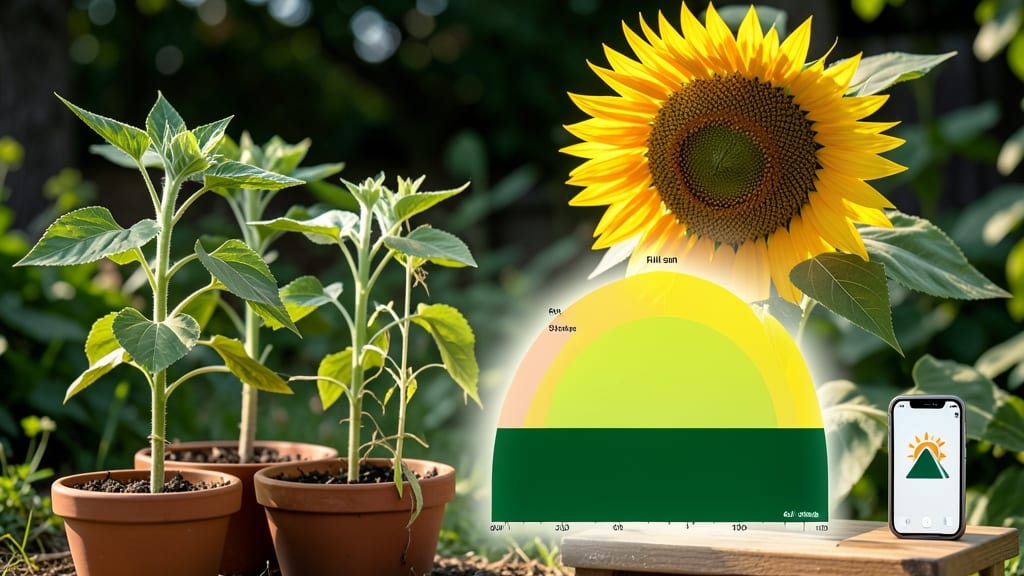
Sunflowers need at least 6 to 8 hours of direct sunlight daily to grow tall and strong 🌻 — anything less and you’ll watch them stretch toward the light like a sleepy yawn.
Picture this: your sunflowers are reaching for the sky, but their stems are thin and leggy, while their blooms stay small and pale. That’s not just a growth quirk—it’s a cry for more light. Without enough sun, they’ll struggle to produce those iconic golden faces you planted them for.
Most gardeners assume full sun means “all day,” but sunflowers are picky about intensity, too. Too much midday heat without afternoon shade can scorch their leaves, while morning sun paired with afternoon shade often works better in hot climates. The key is balancing brightness with protection.
In this guide, I’ll break down exactly how much light sunflowers crave at each stage—from seedlings to full bloom—and how to spot (and fix) the signs of light deprivation. By the end, your sunflowers will be standing tall, proud, and ready to turn heads.

Daily sunlight requirements for sunflowers: the ideal hours and intensity
Sunflowers thrive under bright, direct sunlight, but their light needs change dramatically as they grow. As a sunflower enthusiast, I’ve learned that 6-8 hours of full sun daily is non-negotiable for healthy blooms and strong stems.
Too little light, and you’ll end up with leggy, weak plants that struggle to support their own weight.
Most gardeners assume sunflowers can tolerate partial shade, but this is a common misconception. While young seedlings can handle 4-6 hours of morning sun with afternoon shade, mature plants need unfiltered sunlight to produce vibrant flowers and viable seeds.
Let’s break down their light requirements by growth stage so you can give your sunflowers exactly what they need.
| Growth Stage | Minimum Sunlight Hours | Ideal Sunlight Hours | Light Intensity | Notes |
|---|---|---|---|---|
| Seedling (0-4 weeks) | 4-6 hours | 6-8 hours | Bright indirect light | Use shade cloth if direct sun is intense |
| Vegetative (4-8 weeks) | 8+ hours | 10-12 hours | Full sun (direct) | Stems strengthen with maximum light |
| Flowering (8+ weeks) | 8+ hours | 10-14 hours | Full sun (direct) | Critical for seed development and bloom size |
| Partial Shade Tolerance | N/A | 4-6 hours max | Filtered light | Only for dwarf varieties; expect smaller blooms |
During the seedling stage, young sunflowers can handle 4-6 hours of morning sun paired with afternoon shade, especially in hot climates. I’ve found that east-facing windows or dappled shade work well for container-grown seedlings.
However, once they reach 4 inches tall, transition them to full sun immediately to prevent etiolation—the stretching and weakening of stems due to insufficient light.
As sunflowers enter the vegetative stage (4-8 weeks), their light requirements skyrocket. This is when they need 8+ hours of direct sunlight daily to develop strong stems and foliage. I’ve noticed that sunflowers grown in south-facing gardens or greenhouse setups with supplemental grow lights produce the most robust plants.
Without enough light, their stems become spindly and prone to snapping under the weight of their own flowers.
The flowering stage is the most critical for sunlight. Sunflowers need 10-14 hours of full sun daily to produce large, vibrant blooms and develop viable seeds. In my garden, I’ve seen sunflowers in partial shade produce flowers that are half the size of those in full sun.
If you’re growing sunflowers in containers or urban spaces, rotate them every few days to ensure even light exposure on all sides.
Measuring sunlight intensity isn’t just about hours—it’s also about light quality. Sunflowers thrive under direct, unfiltered sunlight, which provides the high-intensity light they need for photosynthesis. If you’re unsure how much light your garden receives, use a sunlight tracker app or place a light meter near your plants.
I recommend aiming for at least 60% of the sunlight intensity of a clear, sunny day for optimal growth.
One of the biggest mistakes I’ve seen gardeners make is assuming that partial shade is acceptable for sunflowers. While some dwarf varieties (like ‘Teddy Bear’ or ‘Moulin Rouge’) can tolerate 4-6 hours of filtered light, they’ll still produce smaller, less vibrant blooms.
If you’re limited on space, consider growing sunflowers in containers on a sunny balcony or using reflective surfaces (like white walls or mirrors) to maximize light exposure.
If you’re growing sunflowers in cooler climates or during shorter daylight hours, supplement with grow lights. LED grow lights with a full-spectrum output can provide the 6-8 hours of additional light sunflowers need to thrive. I’ve had great success using <
Signs your sunflowers aren’t getting enough light (and how to fix it)
If your sunflowers look more like sad stalks than cheerful giants, they’re likely begging for more sunlight. Sunflowers thrive in full sun, but when deprived, they show clear signs of distress.
The first clue? Pale, yellowing leaves that lose their vibrant green color. This happens because chlorophyll production slows down without enough light.
Another red flag is weak, leggy stems that stretch unnaturally toward any available light source. These stems are thin and spindly, struggling to support the plant’s weight.
You might also notice small, sparse blooms or flowers that never fully open, a sure sign they’re not getting the energy boost from sunlight they need to flourish.
🌱
⚠️ How Much Light Does a Sunflower Need?
Minimum: 6 hours of direct sunlight daily (essential for flowering).
Ideal: 8+ hours of full sun (for robust growth and large blooms).
Critical: Less than 4 hours leads to stunted growth and poor flowering.
Fix: Move plants to sunnier spots or use grow lights (12-16 hours/day).
To diagnose the issue, observe your sunflowers during the day. Check their orientation—if they’re leaning toward a window or fence, they’re clearly light-starved. Morning sunlight is gentler, but afternoon sun (especially in summer) can scorch leaves, so balance is key.
If you’re growing sunflowers in containers, ensure they’re placed in the sunniest spot of your yard or balcony.
For immediate relief, rotate pots weekly to ensure even light exposure on all sides. If moving outdoors isn’t an option, LED grow lights (12-16 hours/day) can mimic sunlight effectively. Choose full-spectrum bulbs to cover the blue and red light wavelengths sunflowers crave for photosynthesis.
If your sunflowers are already struggling, don’t despair—dwarf varieties like ‘Teddy Bear’ or ‘Moulin Rouge’ tolerate partial shade better than towering giants. These varieties can thrive with 4-6 hours of sunlight, making them perfect for shadier corners of your garden or indoor growing setups.
☀️