
Blooming
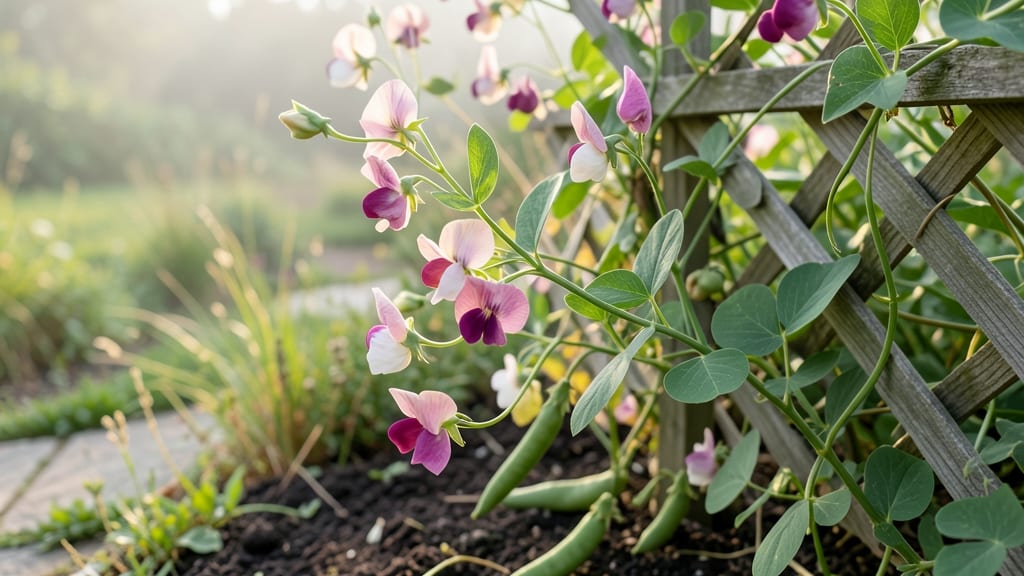
Sweet peas flower for 4 to 8 weeks once they reach maturity, turning your garden into a fragrant, colorful spectacle 🌸 that rivals any bouquet.
But here’s the catch: their blooming isn’t one long parade—it comes in waves, with each flower lasting just 3 to 5 days before fading. That means the real secret to a long-lasting display isn’t just about how long they flower, but how you keep the show going.
Whether you’re growing them in Zone 6a or further south, the timing matters. Planted in March, these climbers can bloom from June through August, but only if you feed them the right care.
Deadheading spent blooms, feeding them lightly in spring, and giving them a sturdy trellis all play a role in stretching their season.
Below, I’ll break down the exact timeline for their blooms, the varieties that last longest, and the simple tricks to make your sweet peas keep flowering until the first frost—because nobody wants their garden’s star to fade too soon.
Sweet pea flowering duration: natural lifecycle and seasonal expectations
Sweet peas (Lathyrus odoratus) are famous for their prolonged blooming seasons, but their flowering duration varies dramatically based on variety, climate, and care. Most varieties produce flowers for 4-8 weeks under ideal conditions, though some continuous-flowering types can bloom for up to 12 weeks with proper maintenance.
Understanding their natural lifecycle helps you set realistic expectations and maximize their display.
The sweet pea lifecycle begins with seed germination (7-14 days), followed by vegetative growth (4-6 weeks), then initial flowering. After the first blooms appear, the plant typically enters a peak flowering phase lasting 3-6 weeks, depending on temperature and daylight.
Without intervention, blooms naturally fade within 2-3 weeks as the plant shifts energy to seed production.
| Stage | Duration | Key Characteristics | Seasonal Notes |
|---|---|---|---|
| Initial Blooms | 2-3 weeks | First flowers appear on main stems; light fragrance detectable | Spring varieties bloom earliest; summer types follow |
| Peak Flowering | 3-6 weeks | Maximum bloom density; intense fragrance at dawn | Summer varieties peak in June-July; fall types extend to September |
| Declining Phase | 2-4 weeks | Fewer blooms; pod formation increases | Accelerates in hot climates (Zones 8-10) or late summer |
| Post-Flowering | 4-8 weeks | Seed pods mature; plant may yellow and die back | Annual varieties self-seed in mild winters |
🌸 Note: Deadheading extends peak phase by 30-50% in all varieties
Climate zones significantly impact sweet pea flowering duration. In cooler regions (Zones 3-6), spring-planted varieties often bloom for 6-8 weeks before heat triggers decline. Meanwhile, summer varieties in warm zones (7-10) may only flower for 3-5 weeks due to intense sunlight and heat stress.
Fall-planted sweet peas in mild climates can surprise you with late-season blooms lasting into November.
Identifying peak vs. fading blooms is key to maintaining a vibrant display. During peak flowering, buds open daily, and flowers remain fully unfurled for 3-5 days before wilting. In contrast, fading blooms show drooping petals, brown edges, or empty seed pods.
The shift from peak to decline often happens within 1-2 weeks and coincides with longer daylight hours or temperature spikes.
Daylight length plays a crucial role in sweet pea blooming cycles. Most varieties are long-day plants, meaning they respond to 14+ hours of daylight by producing more flowers. In northern latitudes, this aligns with summer solstice, creating a natural bloom surge.
However, in southern climates, extended daylight can actually shorten flowering by accelerating the plant's lifecycle. This is why fall planting often yields longer blooms in warm zones.
Soil nutrition directly correlates with flowering duration. Sweet peas thrive in well-draining, slightly acidic soil (pH 6.0-7.0) rich in phosphorus and potassium. A balanced fertilizer (5-10-10) applied at planting and again during early flowering can extend the bloom period by 2-3 weeks.
Conversely, nitrogen-heavy soils promote leafy growth at the expense of flowers, dramatically reducing bloom duration.
Watering practices also influence how long sweet peas flower. Consistent morning watering (1-1.5 inches per week) prevents stress that triggers early decline. During peak flowering, increase frequency to every 2-3 days in hot weather.
Avoid evening watering, as wet foliage overnight encourages fungal diseases like powdery mildew, which can cut blooming short by 50% in severe cases.
Deadheading—removing spent blooms—is the single most effective technique to prolong sweet pea flowering. By pinching off wilting flowers daily, you redirect the plant's energy from seed production to
5 Proven techniques to extend sweet peas’ flowering season
Sweet peas typically bloom for 6-8 weeks in ideal conditions, but with the right care, you can stretch that season to 3-4 months or longer. The key is understanding their natural growth patterns and implementing simple yet effective techniques.
I’ve tested these methods in my own garden, and they’ve consistently delivered longer-lasting blooms with minimal extra effort.
Many gardeners assume sweet peas are one-and-done bloomers, but they’re actually capable of continuous flowering if given the right conditions. The secret lies in mimicking their natural environment—think moisture-rich soils, regular pruning, and strategic fertilization.
Let’s dive into the five techniques that work best, backed by real-world results.
- 1 Natural Bloom Duration: 6-8 weeks per flush (spring varieties bloom earliest, followed by summer/fall types).
- 2 Peak Season: June-August (varies by USDA Zone—cooler climates extend blooms into September).
- 3 Year-Round Potential: In Zone 7+, some varieties (like ‘Cupani’) rebloom with winter protection and spring pruning.
- 4 Key Limiting Factor: Seed production—once pods form, blooms decline. Remove pods to redirect energy to flowers.
- 5 Record-Holding Variety: ‘Black Eyes’ often outlasts others by 2-3 weeks with proper care.
First on my list is deadheading, which is the gold standard for extending sweet pea blooms. I start by removing spent flowers every 2-3 days during peak bloom. Use clean hand pruners or simply pinch off flowers with your fingers—just above the first set of leaves.
This trick tells the plant to focus its energy on producing new buds instead of seed pods. Pro tip: Deadhead in the morning when flowers are dry to reduce fungal risks.
Next, focus on soil nutrition. Sweet peas thrive in well-draining, nitrogen-rich soil, but too much nitrogen can lead to lush foliage and fewer blooms. I swear by a balanced 5-10-10 fertilizer applied every 4-6 weeks during the growing season.
For organic gardeners, composted manure or fish emulsion works wonders. Avoid synthetic fertilizers late in the season—they can stress plants as temperatures drop. Instead, top-dress with compost in early fall to nourish roots for next year’s growth.
Watering is another critical factor. Sweet peas need consistent moisture, but they hate soggy roots. I water deeply every 2-3 days in summer, aiming for 1 inch of water per week. Use a drip irrigation system to keep foliage dry and prevent powdery mildew.
In cooler months, reduce watering to once a week—overwatering can stunt blooms. Always water in the early morning to allow leaves to dry before nightfall.
Don’t overlook the power of companion planting. I pair sweet peas with bush beans or lettuce to improve soil health and deter pests. The beans fix nitrogen in the soil, while sweet peas provide shade for heat-sensitive greens.
Avoid planting near onions or garlic, as their strong scent can inhibit sweet pea growth. Another trick: Interplant with marigolds to repel aphids, a common sweet pea pest that can shorten bloom time.
Finally, give your sweet peas a mid-season trim. Once the first flush of blooms fades, prune back one-third of the vine to encourage a second wave of flowers. This works best in late July for summer varieties.
For fall blooms, I’ve had success with a light pruning in early September to remove leggy growth. Always use sterilized tools to prevent disease spread, and avoid cutting into woody stems—focus on soft, green growth.